
Urumqi in Your Shopping Basket: 8 Authentic Local Delicacies from Beiyuan Spring and Erdaoqiao Market
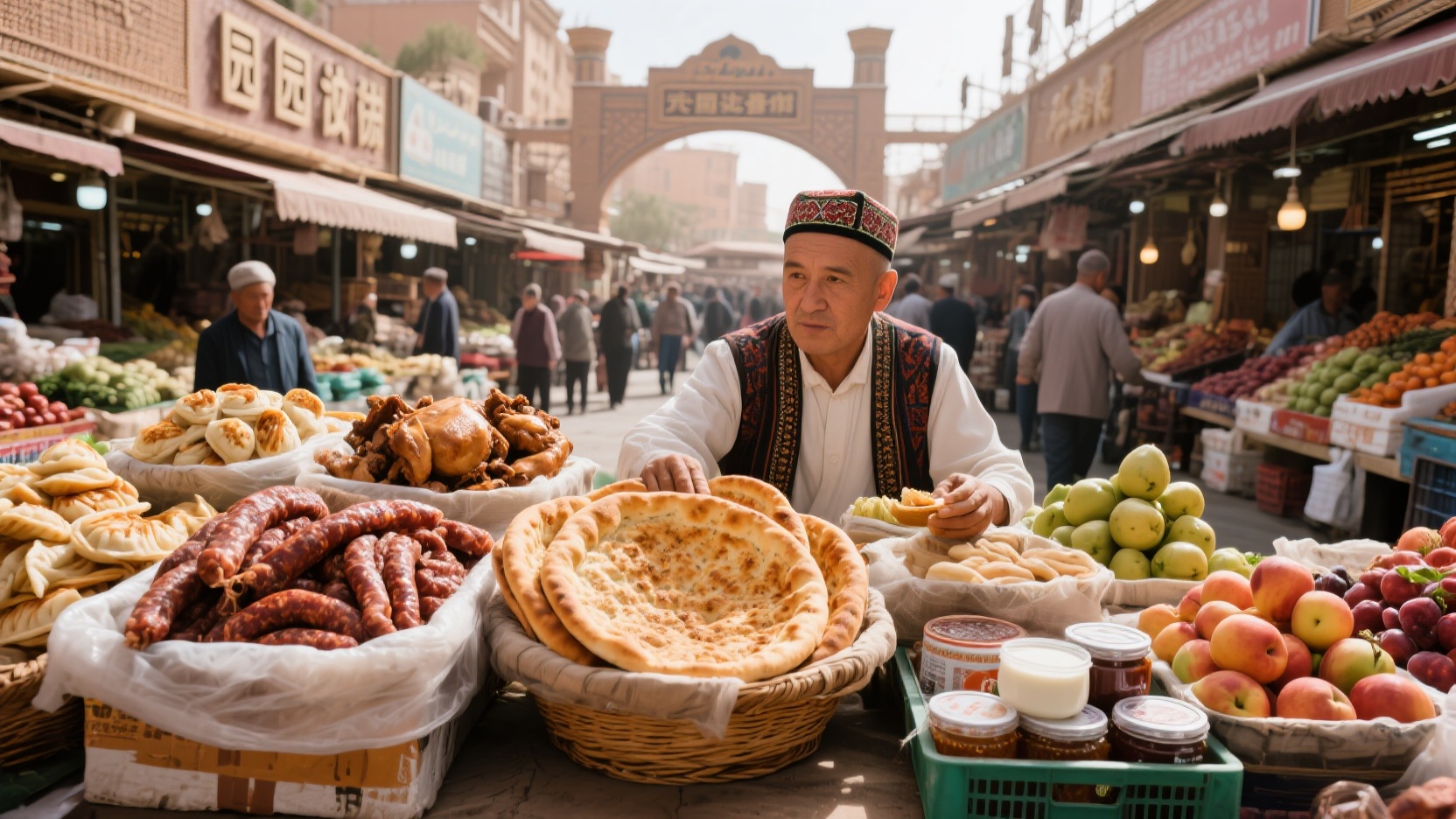
A morning in Urumqi begins with the sounds of carts unloading goods at the Beiyuan Spring Market and the aroma of wheat wafting from the tandoor ovens. To understand the culinary secrets of this city farthest from the sea, you don't need to go to a restaurant; the most vibrant answers are hidden in the two old markets, Beiyuan Spring and Erdaoqiao. Beiyuan Spring is the locals' "grocery basket," large in scale and offering a complete range of goods, with trading starting at dawn; Erdaoqiao, closer to the old city, has more ethnic-style cooked foods, jams, and dried fruits. The two markets are not far apart, so it's recommended to spend a morning visiting them. There's only one rule: follow the local elderly people carrying cloth bags; whichever shop they stop at represents decades of culinary tradition.
I. Naan and Baked Buns: The Temperature Rules of Stalls
Beiyuan Chun's naan stall usually bakes its first batch at 6 AM. The onion naan is thick at the edges and thin in the middle, with chopped onions roasted to a sweet, caramelized finish; the sesame naan is densely covered with sesame seeds, suitable for long-distance transport, and stays fresh for three days. When choosing naan, look for evenly spaced "air pockets" on the bottom, a sign of even heating when pressed in the tandoor oven; gently press the center with your finger, and a quick spring back indicates sufficient moisture. For the baked buns (Samsa), buy them freshly baked from the edge of the tandoor oven—the crust is crisp and cracked, filled with diced lamb mixed with onions and cumin, and juicy when bitten into while hot. It's recommended to eat two on their own first, then buy two to take home with brick tea. Reheat by dry-frying in a pan, not in the microwave, otherwise the crust will become tough.
II. Nomadic Imprints on Deli Food Stalls: Horse Sausage and Sichuan Pepper Chicken
Near the Erdaoqiao Market, horse sausage (Kazakh "kazi") is a hot commodity at the cooked food stalls. Smoked horse sausage is made from horse rib meat and has a dark reddish-brown surface from pine smoking. When choosing, squeeze the sausage; it should be firm and elastic. At home, put the whole sausage in a pot of cold water with a few peppercorns to remove any fishy smell. After the water boils, simmer for 40 minutes. Remove and let cool before slicing, otherwise it will easily fall apart. Sliced and served with raw onions, the oily aroma and spiciness complement each other. Sichuan peppercorn chicken is a fusion of Han and Hui cuisine. The stalls in the market often only sell whole chickens, which the vendors tear by hand and then drizzle with a sauce made of Sichuan peppercorn oil and chicken broth. The skin is crispy and the meat is firm. The tofu in the side dishes is even more popular than the chicken. When buying, remember to ask the vendor for an extra small bag of the original broth; it's excellent for mixing with noodles at home—don't heat it up, just pour it directly over the noodles.
III. Dairy Products and Pickles: Fermentation is the Foundation of Flavor
In Urumqi's markets, handmade yogurt is sold in white ceramic jars or plastic buckets, with a thin, yellowish skin forming on the surface; the thicker the skin, the higher the fat content. Look for the kind of "yogurt cheese" where the whey has been strained through cheesecloth—it's more acidic, and locals like to sprinkle it with white sugar or mix it with fig jam. For milk curds, it's recommended to buy the savory kind first; they're firm at first bite, have a sour aftertaste, and one piece can be as filling as half a meal. Choose white with a slight yellow tinge; overly white ones are suspicious. In the pickles section, look for Uyghur handmade jams; fig jam and rose jam are hidden gems. Choose those with intact fruit pieces in glass jars, a deep color, and clear syrup. The pickled mustard greens and pickled garlic at the pickle stalls are autumn/winter specials. Choose small, purple-skinned garlic; after pickling, the cloves will be translucent and have a slightly vinegary taste.
IV. Seasonal Fruits: A Sweetness Guide Following the Sun
The fruit section at Beiyuan Spring Market changes seasonally. In July, the "Old Man's Melon" comes into season; its rind is so soft it can be torn by hand, and it's extremely sweet but doesn't withstand transport well, so it's best enjoyed locally. When buying, ask the vendor to cut it open to check the flesh; it should be soft and honey-like. In August, figs are wrapped in corn husks; choose the softest ones, not the largest. They should be springy when gently squeezed, and those with a syrupy bottom must be eaten the same day. September offers the most grape varieties; seedless white grapes are suitable for drying, while glassy crisp grapes are best eaten fresh, and "Horse Milk" grapes have thin skin and are very juicy; you can try one before buying. October concludes with pomegranates and late-ripening cantaloupes. For cantaloupes, choose those with coarse, dense stripes, a shriveled stem, and a heavy feel. Chill them for two hours after bringing them home before cutting; this will further enhance their sweetness.
Exploring the local markets is the best way to experience a city. In Urumqi's markets, the smoke from tandoor ovens, the smoked meats of nomadic peoples, the aroma of fermenting milk, and the seasonal fruits create a veritable urban chronicle. Tourists see shop windows at the Grand Bazaar, but they experience life firsthand at the markets. Pack an empty bag and half a day, and wander from the early morning at Beiyuan Spring to midday at Erdaoqiao; you'll understand the city's palate better than many locals.