
Tianshan Cultural Heritage | In-depth Cultural and Artistic Tour of Urumqi
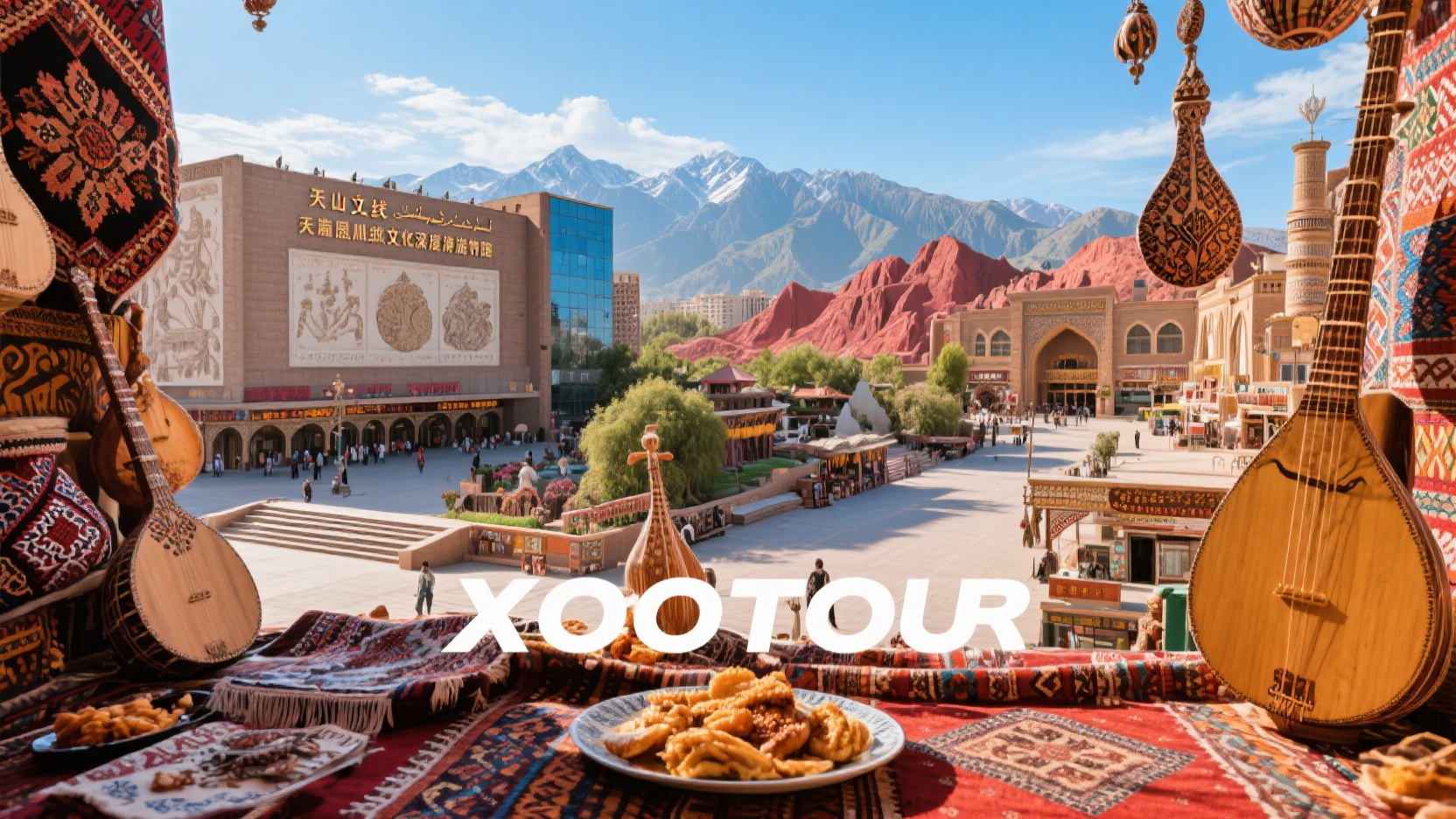
Urumqi, a key city on the Silk Road Economic Belt, is not only the political and economic center of Xinjiang but also a treasure trove of diverse cultures and art. Its unique geographical location has allowed the city to converge the essence of Eastern and Western civilizations throughout history, forming a uniquely charming cultural landscape. This blog will plan an in-depth travel route centered on culture and art, aiming to guide you beyond the surface and explore Urumqi's hidden historical context and living art.
First stop: Historical Exploration – Xinjiang Uygur Autonomous Region Museum
The Xinjiang Uygur Autonomous Region Museum is a cornerstone for understanding Xinjiang's history, ethnic culture, and Silk Road civilization. The museum boasts a rich collection, with its "Xinjiang Historical Relics Exhibition," "Xinjiang Ethnic and Folk Customs Exhibition," and "Xinjiang Ancient Mummies and Burial Objects Exhibition" being particularly representative.
- The Xinjiang Historical Relics Exhibition systematically traces the historical development of Xinjiang from ancient times to the Qing Dynasty through a large number of unearthed artifacts, showcasing the prosperity and changes of the Silk Road in Xinjiang. The exhibits cover bronzes, pottery, gold and silver wares, silk textiles, and more, including many national first-class cultural relics, such as a replica of the famous "Five Stars Rise in the East, Benefiting China" brocade arm guard. Although the original is in the Hotan Museum, its exquisite craftsmanship and profound historical significance can be appreciated here.
- Xinjiang Ethnic and Folk Customs Exhibition : This exhibition area provides a detailed introduction to the clothing, daily necessities, architectural styles, and festival customs of 13 major ethnic groups inhabiting Xinjiang, including the Uyghur, Kazakh, Kyrgyz, Mongolian, and Xibe. Through artifacts, models, and multimedia displays, visitors can intuitively experience the unique cultural characteristics of each ethnic group and the diverse yet unified pattern formed over a long historical development.
- The exhibition of ancient Xinjiang mummies and their burial objects is the museum's crown jewel. Featuring mummies and burial objects unearthed from sites such as the Xiaohe Cemetery and the ancient city of Loulan, it provides invaluable evidence for the study of prehistoric civilization, human migration, and ancient clothing culture in Xinjiang. These well-preserved remains, along with the exquisite woolen textiles and wooden artifacts unearthed alongside them, reveal the production, lifestyle, and spiritual world of the ancestors who lived on the edge of the Tarim Basin thousands of years ago.
It is recommended to set aside at least half a day here to carefully observe each exhibit, read the explanatory texts, and gain a deeper understanding of the cultural stories and historical significance behind the artifacts.
Second stop: Urban Imprints – Hongshan Park
Hongshan Park is not only a landmark of Urumqi, but also carries rich geological and historical cultural information. Hongshan is named for the reddish-brown color of its rocks, and its unique Danxia landform is unique in Urumqi.
- Geology and Landscape : Hongshan is a fold mountain range on the southern edge of the Junggar Basin, its formation closely related to the orogenic movement of the Tianshan Mountains. Climbing the Hongshan Tower (Zhenlong Tower) offers a panoramic view of Urumqi, allowing visitors to appreciate the city's unique geographical position at the foot of the Tianshan Mountains. Although the tower is a modern reconstruction, the "Zhenlong" legend it embodies reflects the local people's reverence for natural forces and their prayers for the city's peace.
- Historical Commemoration : The park features a monument to Lin Zexu, commemorating the historical achievements of this national hero in developing and defending the border regions of Xinjiang. In addition, there are historical sites such as the Great Buddha Temple, which, despite numerous renovations, still retain glimpses of their former glory. Strolling through the park, one can not only enjoy the city scenery but also, through these historical imprints, perceive Urumqi's important role in the Qing Dynasty's governance of the frontier.
Hongshan Park is a good complement to a museum visit, providing a macro-level understanding of Urumqi's geographical environment and historical changes, and offering background support for subsequent living culture experiences.
Third stop: Living Heritage – Grand Bazaar and surrounding areas
The Urumqi International Grand Bazaar is not merely a commercial center; it is a vibrant cultural district that encapsulates the lifestyles, handicrafts, and artistic expressions of the Uyghur and other ethnic minorities. Here, you can experience the charm of numerous intangible cultural heritages up close.
- Music and Dance : Uyghur Muqam is a UNESCO Representative List of the Intangible Cultural Heritage of Humanity. In the Grand Bazaar and surrounding areas, you may have the opportunity to see excerpts of Muqam performances or listen to the playing of traditional instruments such as the rawap, dombra, and hand drum in music shops. It is recommended to seek out a professional theater or cultural center to watch a complete Muqam performance and deeply experience its epic narrative and unique artistic appeal.
- Handicrafts :
- Atlas silk : This colorful silk is renowned for its unique tie-dyeing and weaving techniques. In the silk shops of the Grand Bazaar, you can admire finished Atlas silk products, learn about the meanings behind their patterns and the production process, and even commission custom-made clothing or purchase souvenirs.
- Uyghur Carpets : Xinjiang carpets are renowned for their exquisite patterns, vibrant colors, and superior quality. In the carpet shops of the Grand Bazaar, you can see samples of traditional handmade carpets, learn about the stylistic characteristics of carpets from different regions, and appreciate the craftsmanship they embody.
- Traditional musical instrument making : Some artisans still insist on making traditional musical instruments by hand. Visiting these workshops, observing the entire process from material selection to instrument making, and exchanging ideas with the artisans will be a rare experience of intangible cultural heritage.
- Food Culture : Urumqi's cuisine is a living culture in itself. In the Grand Bazaar's food area, savor authentic pilaf, roasted meat, naan, thin-skinned dumplings, and big plate chicken, each dish embodying profound ethnic culinary culture and life wisdom. Experience the unique charm of Xinjiang through your taste buds.
When visiting the Grand Bazaar, slow down and observe the locals' pace of life, interacting with artisans and shopkeepers, rather than simply focusing on shopping. This will help you truly connect with the cultural pulse of Urumqi.
In-depth slow travel suggestions
A cultural and artistic journey in Urumqi is best enjoyed at a leisurely pace and with depth. Travelers are advised to allow ample time, going beyond a superficial visit to immerse themselves in the experience. Carefully examine the stories behind each artifact in the museums; feel the traces of urban change at Hongshan Park; in the Grand Bazaar, try to engage in simple conversations with locals, sample authentic cuisine, and even participate in some handicrafts. This itinerary will allow you to gain a more comprehensive and multifaceted understanding of Urumqi's unique charm as a crossroads of diverse cultures, resulting in a truly profound cultural and artistic experience.