
Wuhan Food Review | Taste of the River City: Authentic Flavors and Tips to Avoid Pitfalls
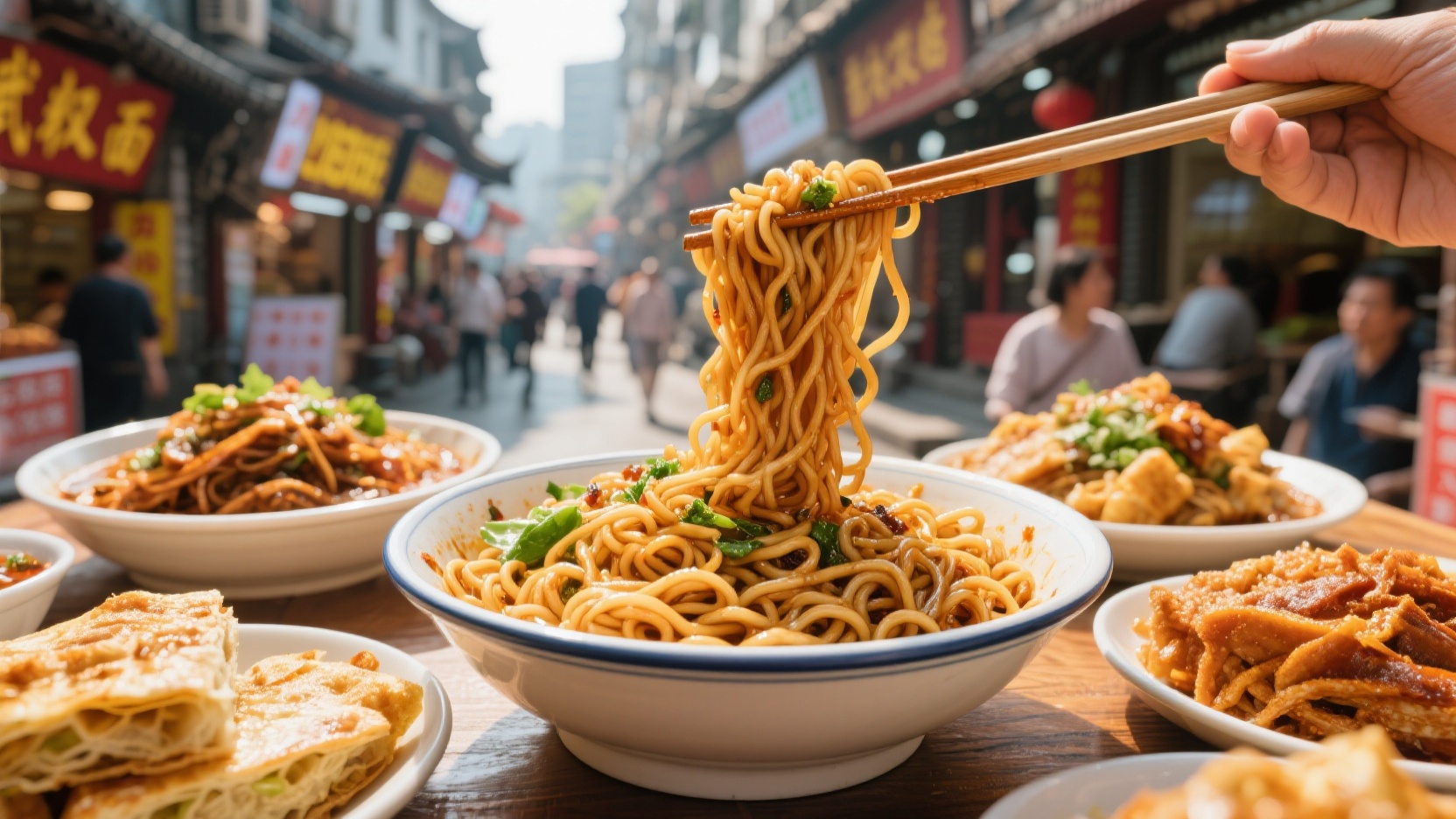
Wuhan, a city on the Yangtze River connecting nine provinces, is not only a historical and cultural city but also a culinary paradise for food lovers. Its unique geographical location and port culture have fostered an inclusive and flavorful food system. This article will provide an in-depth analysis of Wuhan's distinctive cuisine, from classic snacks to authentic street food, and offer practical dining tips and advice on avoiding pitfalls.
Must-try signature dishes list
Wuhan cuisine is renowned for its "Guozao" (eating breakfast) culture, and its richness and diversity are astonishing. Here are some representative dishes:
Hot dry noodles: As Wuhan's most iconic breakfast, it is famous for its unique sesame paste flavor. The noodles are chewy and mixed with rich sesame paste, soy sauce, vinegar, chili oil, diced radish, and chopped green onions. The taste is mellow, salty, fragrant, and slightly spicy, with an unforgettable aftertaste, embodying the essence of Wuhan's breakfast culture.
Doupi (Bean Curd Skin): Another classic breakfast item, made primarily with glutinous rice, supplemented with fillings such as fresh meat, shiitake mushrooms, and diced bamboo shoots, wrapped in a golden and crispy egg skin and then pan-fried. It is crispy on the outside and tender on the inside, with distinct rice grains, rich fillings, and a savory and delicious taste.
Mianwo: Shaped like a donut, it is actually savory, crispy, and crunchy. It is made by grinding rice and soybeans into a paste, adding a little chopped green onion and salt, and then frying it in a special mold. The outer shell is golden and crispy, while the inside is soft and light.
Hutangfen (糊汤粉): A specialty noodle dish from Wuhan, renowned for its unique fish broth and rice noodles. The broth is thick and made with fresh small fish, while the rice noodles are smooth and delicate. The soup is flavorful with a subtle fishy aroma and is often served with fried dough sticks.
Heavy Oil Shaomai: Unlike Cantonese shaomai, Wuhan shaomai is unique in that it is made with "heavy oil and heavy ingredients". The filling consists of glutinous rice, diced pork, and shiitake mushrooms, and is seasoned with a lot of pepper. After steaming, the glutinous rice is oily and the pepper is spicy, resulting in a unique flavor.
Pork Rib and Lotus Root Soup: A representative dish of Hubei cuisine, especially famous in Wuhan. It's made by simmering starchy lotus root and pork ribs over low heat for several hours. The soup is clear, the lotus root pieces are soft, sweet, and glutinous, and the pork ribs are tender and flavorful, resulting in a nourishing and sweet soup.
Zhou Hei Ya/Jingwu Duck Neck: A representative of Wuhan's casual snacks, popular throughout the country for its spicy, savory, and sweet flavor. Duck necks, duck wings, and duck feet are braised in a secret sauce, resulting in a chewy texture, a deeply ingrained spiciness, and a lingering aftertaste.
Local favorites for food
To truly experience Wuhan's cuisine, besides the well-known Hubu Alley (which is highly commercialized and more suitable for first-time visitors to get a general overview), you should also explore the neighborhoods frequented by locals:
Liangdao Street, located in Wuchang District, is one of Wuhan's most vibrant old streets. It's home to numerous time-honored brands and unique shops, making it a top choice for Wuhan locals' breakfast. From hot dry noodles and bean curd sheets to fried dough sticks and glutinous rice balls, the variety is extensive and the prices are affordable. Liangdao Street is bustling with people in the early morning, full of lively atmosphere, making it an excellent place to experience authentic Wuhan breakfast culture.
Wansongyuan Food Street: Located in the heart of Hankou, it's a representative of Wuhan's nightlife. It not only features traditional Hubei restaurants but also blends specialty snacks and trendy dining options from all over China. Famous crayfish restaurants like Bali Lobster and Liangliang Steamed Shrimp abound, along with various barbecue, dessert, and cafe options. At night, Wansongyuan is brightly lit, making it a top choice for friends to gather for meals and late-night snacks.
Jiqing Street: Once a cultural landmark of Wuhan, it was famous for its unique "street food stall" culture and folk artist performances. Although it has undergone renovations in recent years, it still retains some of its traditional charm. Here, you can taste authentic Wuhan snacks such as barbecue, stir-fried clams, and edamame, while also enjoying wonderful performances by street artists and experiencing the everyday life of old Wuhan.
Shuita Food Street: Located near Zhongshan Avenue in Hankou, this is another popular snack street among locals. Most of the shops here are long-established businesses, attracting diners with their consistent flavors and affordable prices. You can find a wide variety of fried foods, noodles, desserts, and more here, making it an ideal place to experience Wuhan's street food.
Tips for avoiding overpriced and overpriced shops and tourist attractions
On a culinary adventure, how to avoid disappointment and savor truly authentic flavors is a concern for every traveler.
Beware of over-marketed "Instagrammable" restaurants: These viral "Instagrammable" restaurants often attract attention with their unique decor, novel ideas, or exquisite plating. However, some may have mediocre food, inflated prices, or excessively long queues. When choosing a restaurant, in addition to online recommendations, it's advisable to check real user reviews on local service platforms (such as Dianping and Meituan) to focus on food quality and value for money. Prioritize established restaurants with consistently good reputations and a large local clientele; these often represent more authentic flavors and better value.
High-priced restaurants far from the core areas of scenic spots: Similar to most tourist cities in China, restaurants inside or near the entrances of major scenic spots in Wuhan (such as the Yellow Crane Tower, East Lake Scenic Area, and Hubei Provincial Museum) generally have high prices and inconsistent food quality. These shops mainly cater to tourists, and their high rent costs are often passed on to consumers. It is recommended to look for restaurants within a 5-10 minute walk of the outer perimeter of the scenic area when visiting the area. Generally, the further away from the core area of the scenic spot, the easier it is to find reasonably priced and authentic local restaurants or snack shops. Using map applications to search for nearby "snack shops," "street food stalls," or "residential area restaurants" often yields pleasant surprises.
Observe local foot traffic: A simple and effective way to avoid pitfalls is to observe the dining choices of locals. Shops frequented by locals, whether breakfast shops, noodle shops, or street food stalls, usually indicate authentic food and reasonable prices. If you see a shop with a long line of locals at mealtimes, it's generally a sign worth trying. Conversely, if a shop is deserted or mainly frequented by tourists, be cautious.
Check prices in advance: In some popular tourist areas, some restaurants may offer different prices depending on the customer. Before ordering, be sure to carefully check the prices on the menu. For seafood or dishes sold by weight, it's best to ask about the pricing method and total price beforehand to avoid unnecessary disputes when paying the bill.
In Wuhan, food is not just about satisfying your appetite; it's also a window into the city's culture and spirit. Slow down, savor the authentic atmosphere of this river city, and make every meal an unforgettable memory of your journey.