
Exploring Tianjin's Flavors: Authentic Local Flavors and Foodie Guide
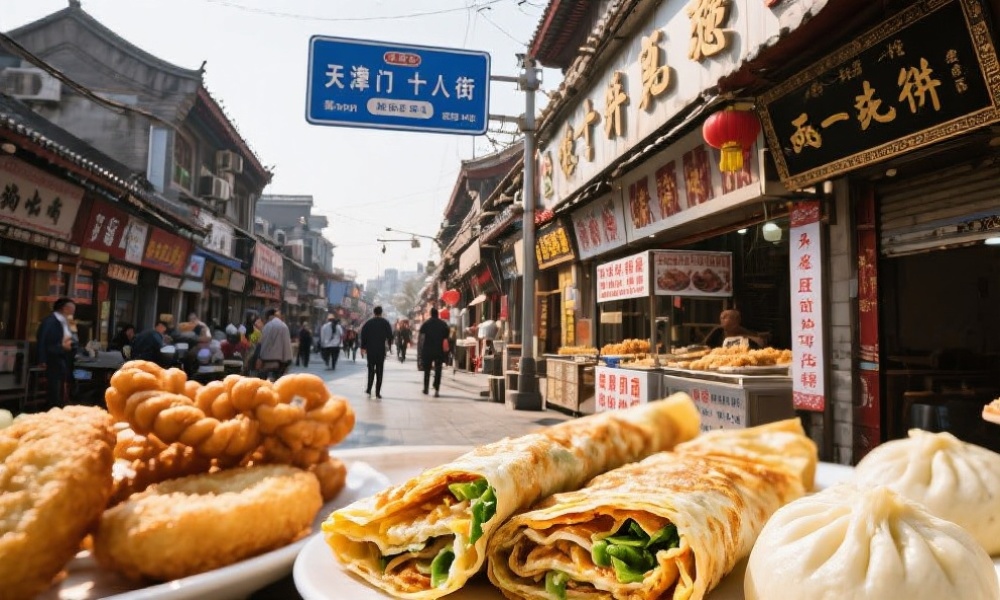
Tianjin, a municipality directly under the central government, boasts a unique culinary landscape born from its historical heritage and modern vitality. Unlike the refined elegance of southern cuisine or the hearty heartiness of northern cuisine, Tianjin food, with its rustic charm, abundant pastries and snacks, and ingenious culinary techniques, creates a mouthwatering culinary world. For every traveler exploring Tianjin, delving into its streets and alleys and experiencing the true fabric of the city through its flavors is an indispensable experience.
Must-try signature dishes list
Tianjin's culinary culture is represented by the "Three Delicacies of Tianjin," supplemented by numerous unique local snacks, which together constitute its gastronomic landscape.
- Jianbing Guozi: As the most representative breakfast in Tianjin, authentic jianbing guozi uses a thin pancake made of mung bean flour as the base, with an egg cracked on top, sprinkled with chopped green onions, and then wrapped with crispy fried dough sticks (zha guo bier) or fried dough sticks (you tiao), and brushed with sweet bean sauce, fermented bean curd sauce, and other seasonings. Its texture is rich and layered, with a soft and chewy pancake, crispy fried dough sticks, and a perfect balance of sweet and savory sauces. It is the best starting point to experience the local life of Tianjin.
- Goubuli Steamed Buns: The renowned Goubuli steamed buns are famous for their unique "eighteen pleats" and carefully selected fillings. The traditional flavor is primarily pork and broth filling, with a fresh and fragrant filling, rich in broth, and a soft, fluffy dough. When tasting them, it's important to be aware of the differences between their historical traditions and modern business models for a better experience.
- Shibajie Mahua (18th Street Fried Dough Twists): As a top-tier traditional Tianjin pastry, Shibajie Mahua is made with carefully selected flour and vegetable oil, supplemented with various ingredients such as osmanthus, sesame seeds, and walnuts. It undergoes multiple fermentation, kneading, and deep-frying processes. Its characteristics include a sweet and crispy texture that doesn't become soggy even after prolonged storage, making it an excellent gift for relatives and friends.
- Erduoyan Fried Cake: Along with Goubuli Steamed Buns and Shibajie Fried Dough Twists, it is known as one of the "Three Treasures of Tianjin". Erduoyan Fried Cake is made with high-quality glutinous rice, ground into flour, filled with red bean paste, and then deep-fried. The outer skin is golden and crispy, while the inside is soft, chewy, and sweet, with a delicate red bean paste filling, making it a perfect choice for dessert lovers.
- Guoba Cai: Also a frequent guest on Tianjin's breakfast table, Guoba Cai is not a stir-fried dish. Instead, it consists of thin pancakes made from mung bean flour, cut into willow leaf shapes, and soaked in a broth made from various seasonings. It is served with cilantro, fermented bean curd, chili oil, and other ingredients. Its texture is smooth, the broth is rich and flavorful, and it is a unique way for Tianjin people to start their day.
- Steamed Pear Cake: This is a street snack that evokes childhood memories. Made from rice flour, steamed in a special mold to form small cakes, it's then topped with various flavored jams such as hawthorn, strawberry, and pineapple. With a soft, sweet texture and a subtle rice aroma, it's a perfect dessert after a meal or while strolling around.
- Bengdou Zhang: A time-honored brand established in the late Qing Dynasty, famous for making various bean-based snacks. Its signature Bengdou (崩豆) is made from high-quality soybeans, roasted through multiple processes, resulting in a crispy, savory, and delicious snack, perfect for home or travel.
- Sugar-coated hawthorn berries, also known as candied hawthorn skewers, are a common sight in northern China. Tianjin boasts a wide variety of sugar-coated hawthorn berries, including not only the traditional hawthorn but also skewers of other fruits such as strawberries, oranges, and grapes. Coated in a translucent sugar coating, they offer a delightful sweet and sour taste and are a vibrant feature of the winter streets.
Local favorites for food
To truly experience Tianjin's authentic cuisine, it's key to avoid tourist hotspots and head to the neighborhoods frequented by locals.
- Northwest Corner: This is the Hui Muslim community in Tianjin, a treasure trove for finding authentic Tianjin breakfasts and snacks. In the early morning, around the mosque in the northwest corner, stalls selling all sorts of fried dough sticks, guoba cai (a type of rice crust with sauce), miancha (a type of millet porridge), beef shaobing (a type of baked flatbread), and other delicacies fill the air with their enticing aromas. The snacks here are often affordable and authentic, making it the best choice for experiencing Tianjin's breakfast culture.
- Hidden deep within the old residential areas of Tianjin's Heping and Hexi districts are many unassuming hole-in-the-wall restaurants and street stalls. These places may lack fancy decor, but they embody the most authentic Tianjin flavors and a strong sense of community. Observing the locals queuing or asking them questions often reveals delightful surprises.
- Liaoning Road Snack Street: Although some shops have become commercialized, Liaoning Road Snack Street still retains some time-honored brands and specialty snack stalls. Here you can find all kinds of fried skewers, grilled skewers, gluten, etc., suitable for casual snacking while strolling around in the evening. However, you should be careful to choose popular shops with many local diners.
- The area surrounding the Five Avenues: The Five Avenues are famous for their unique historical buildings, and scattered throughout the surrounding alleys are many distinctive restaurants and cafes, including some excellent choices offering authentic Tianjin cuisine or fusion dishes. While admiring the architecture, why not explore these hidden culinary gems?
Tips for avoiding overpriced and overpriced shops and tourist attractions
In the pursuit of authentic cuisine, tourists should be wary of overly packaged "internet celebrity" restaurants and overpriced dining options within scenic areas to avoid making a bad choice.
- Beware of over-marketed "Instagrammable" restaurants: Some "Instagrammable" restaurants that gain widespread popularity on social media often focus on their decor and marketing, neglecting the quality and taste of their food. These restaurants may have long queues, but the food is often disappointing, and the prices are inflated. It's recommended to prioritize local diners' reviews over online popularity when making your choice. True deliciousness often lies hidden in unpretentious, long-established restaurants with a proven track record of quality.
- Identify the "premium" pricing of restaurants within scenic areas: Restaurants located inside or near popular tourist attractions such as the Ancient Culture Street, Italian Style Street, and Tianjin Eye typically have higher prices than comparable restaurants in the city center or residential areas. Furthermore, to cater to mass tastes, some restaurants within scenic areas may lose their original local characteristics. For famous brands like Goubuli steamed buns, their directly operated stores in core scenic areas are often expensive, but the taste may not necessarily represent their best. It is recommended that tourists choose snacks to tide them over while sightseeing, and then enjoy their main meals in the more affordable and authentic old streets.
- Compare multiple options and consult locals: Before choosing a restaurant, you can use platforms like Dianping and Xiaohongshu to compare different options, but more importantly, try to consult local residents (such as taxi drivers, hotel receptionists, and street shop owners) for recommendations. Local people's advice is often the most reliable and practical. Observe the composition of the restaurant's diners; if there are many locals, it usually means the food is authentic.
- Pay attention to details and hygiene: Regardless of the type of shop you choose, you should always pay attention to its hygiene. For street food stalls, observing the freshness of the ingredients and the standardization of the preparation process are crucial to ensuring food safety.
In Tianjin, why not slow down and use your taste buds to feel the true pulse of this city, experiencing its unique local flavor and human touch?