
Suzhou Food Diary | Tasting the Charm of Wu: Savoring the Authentic Flavors of Suzhou
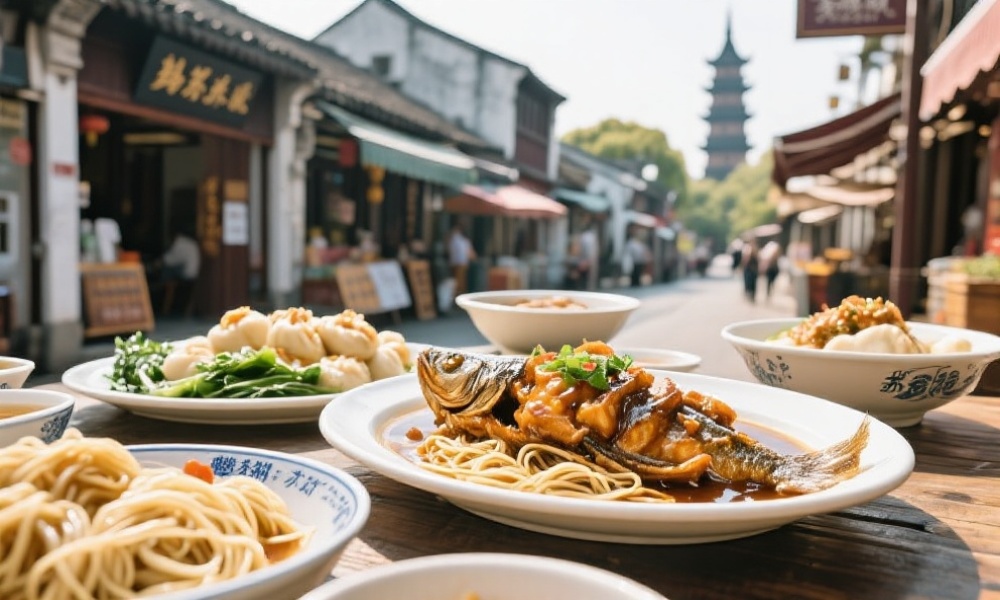
Suzhou, a city hailed as "paradise on earth," boasts a culinary culture that rivals its gardens and water towns, together creating a unique Jiangnan charm. Suzhou cuisine, characterized by its light and elegant flavors, emphasis on original tastes, and meticulous preparation, stands out in the Chinese culinary landscape. This article will provide an in-depth analysis of Suzhou's distinctive culinary offerings, helping you pinpoint authentic flavors.
Must-try signature dishes list
1. Suzhou-style noodles: A Suzhou person's day often begins with a bowl of Suzhou-style noodles. Its essence lies in the broth and toppings. Red broth noodles are bright red in color and rich in flavor; for example, Aozao noodles are topped with braised pork and fried fish, resulting in a rich and delicious broth. White broth noodles, on the other hand, are crystal clear and have a delicate flavor; Fengzhen braised pork noodles are a representative example, with tender pork, a sweet and savory broth, and thin, chewy noodles. Recommended dishes: Aozao noodles and Fengzhen braised pork noodles.
2. Pan-fried Buns: Suzhou pan-fried buns have thin skin and a generous filling. The bottom is golden and crispy, while the top is soft and fluffy, and the filling is juicy and flavorful. Take a small bite, sip the sweet broth, and savor the delicious meat filling – a truly unique street food. Characteristics: thin skin, crispy bottom, and juicy.
3. Squirrel-shaped Mandarin Fish: As a representative dish of Suzhou cuisine, Squirrel-shaped Mandarin Fish is famous for its unique shape and sweet and sour taste. The mandarin fish is processed, cut into shape, fried until golden and crispy, and then drizzled with a sweet and sour sauce. It resembles a squirrel, is crispy on the outside and tender on the inside, and has a sweet and sour taste. It is a top-grade dish for banquets.
4. Sizzling Eel: This dish uses live eel, freshly killed and cooked. The eel strips are tender and smooth, seasoned with minced garlic, shredded ginger, pepper, and other condiments, then drizzled with boiling hot oil, creating a sizzling sound and releasing an irresistible aroma. With its rich and delicious flavor, it's a perfect accompaniment to rice or drinks.
5. Osmanthus-flavored Lotus Root: A classic dessert. Glutinous rice is stuffed into the holes of lotus root and then simmered with brown sugar and osmanthus flowers. The lotus root is soft and sticky, the glutinous rice is sweet, and the osmanthus flowers are fragrant. The taste is soft, sticky, and sweet, with a subtle osmanthus aroma.
6. Boat-shaped pastries: Suzhou boat-shaped pastries are a traditional specialty of the Jiangnan region, known for their exquisite shapes, small and delicate appearance, and a balance of sweet and savory flavors. They are mostly made with rice flour or wheat flour for the crust, and filled with a variety of fillings such as red bean paste, jujube paste, and fresh meat, offering a double enjoyment for both the eyes and the taste buds.
7. Qingtuan: A seasonal delicacy, usually available around Qingming Festival. It has a bright green outer skin made of glutinous rice flour and mugwort juice, and the filling is mostly red bean paste or sesame. It has a soft, chewy texture and a fragrant aroma with a unique mugwort fragrance.
8. Fermented Rice Cake: A traditional Suzhou spring pastry, made with fermented rice dough and filled with red bean paste, sesame seeds, etc. It has a soft texture and a subtle aroma of wine and sweetness.
Local favorites for food
1. Fengmen Hengjie: This is one of Suzhou's most vibrant old market streets, preserving its original local flavor. It's home to numerous time-honored food stalls and restaurants serving everyday dishes like pan-fried buns, rice cakes, and soup dumplings, all at affordable prices. It's an excellent place to experience the daily food culture of Suzhou locals.
2. Shuangta Market: This traditional market, which has been renovated and upgraded in recent years, retains the lively atmosphere of the old market while incorporating modern design. In addition to fresh ingredients, there are many specialty food stalls, making it a great place to taste authentic Suzhou-style snacks and noodles.
3. Shiquan Street: This street is mainly known for its restaurants, especially at night when they are brightly lit. It offers a variety of options, from traditional Suzhou cuisine to fusion dishes, making it a popular choice for locals to gather with friends or for business banquets.
4. Guanqian Street Area: As a long-established commercial street in Suzhou, Guanqian Street and its surrounding area are home to many time-honored pastry shops and restaurants, such as Huangtianyuan and Caizhizhai. Although some areas are crowded with tourists, you can still find many traditional noodle shops and snack stalls frequented by locals by exploring the alleys.
5. Pingjiang Road Historic District: Although Pingjiang Road is popular with tourists, many of the small shops along the street are still worth exploring. For example, some private restaurants or specialty snack stalls hidden in the alleys require careful discovery. It is recommended to avoid the main roads and venture into the alleys; you will often find pleasant surprises.
Tips for avoiding overpriced and overpriced shops and tourist attractions
In Suzhou, especially in popular tourist areas such as Guanqian Street, Pingjiang Road, and Shantang Street, some trendy restaurants or those in prominent locations may exhibit the following characteristics:
- Inflated prices: Dishes of the same quality may cost 20%-50% more in the core area of the scenic spot than in the surrounding alleys or residential areas.
- Flavor modification: In order to cater to popular tastes, some trendy restaurants may modify traditional Suzhou cuisine, thus losing its original authentic flavor.
- Long queues: Popular online stores often require long queues, which affects the visitor experience.
Strategies to avoid pitfalls:
- Observe local customer traffic: Choose restaurants frequented by locals, especially those with local diners during off-peak hours, as these are often a guarantee of quality.
- Prioritize established brands: Suzhou has many time-honored restaurants, such as Deyuelou, Songhelou (note the differences in quality between its branches), Zhu Hongxing, and Tongdexing. These shops generally maintain a high standard in preserving traditional flavors, and although some branches may be crowded with tourists, the overall quality is relatively consistent.
- Avoid shops that face the main street: In popular tourist areas, try to choose shops on side streets, in alleys, or restaurants that are a little further away from the center.
- Refer to local lifestyle platforms: Use local service apps to view genuine reviews and recommendations from local users, rather than relying solely on "influencer" recommendations in travel guides. Pay attention to shops that are praised for their "authentic flavors" and "high cost-performance ratio."
- Ask locals: The most direct and effective way is to ask local residents (such as guesthouse owners, taxi drivers, and street shop owners) about the restaurants or snack shops they frequent.
In Suzhou, food is the flowing poem of this city. Slow down and use your taste buds to feel the everyday charm of the soft Wu dialect.