
Suzhou Elegance | In-depth exploration of Suzhou's cultural and artistic slow travel
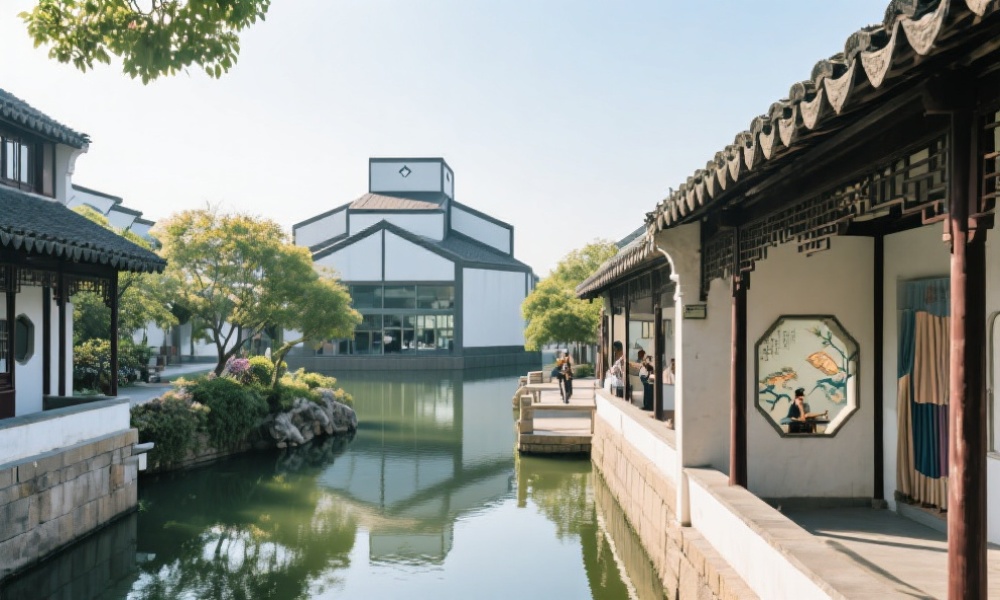
Suzhou, an ancient city in Jiangnan steeped in a thousand years of cultural heritage, possesses a rich cultural and artistic heritage that cannot be fully appreciated through superficial sightseeing. XOOTOUR understands that true travel lies in immersion and understanding. This article aims to plan a Suzhou cultural and artistic journey centered on museums, historical sites, and intangible cultural heritage experiences for travelers seeking a deeper cultural experience, guiding you to slowly savor the elegance of Suzhou amidst its picturesque gardens and streets.
Cultural Prologue: A Dialogue Between Gardens and Modernity
A cultural and artistic journey through Suzhou should begin with its most representative gardens and museums. These are not only architectural masterpieces, but also concrete expressions of the spiritual world of literati and scholars.
Our first stop is the Suzhou Museum . Designed by the master architect I.M. Pei, the building itself is an artwork that blends modernism with the essence of Jiangnan gardens. Its geometric lines, harmoniously coexisting with traditional white walls and black tiles, artificial hills and ponds, offer an excellent entry point into understanding the "fusion of old and new" characteristic of Suzhou culture. The museum's collection encompasses artifacts unearthed in the Wu region, Ming and Qing dynasty calligraphy and paintings, and handicrafts, telling the story of the long history of Wu culture through meticulous exhibition design. Here, you can not only appreciate precious artifacts but also feel the dialogue between architecture and nature, experiencing an aesthetic that transcends time and space.
The Humble Administrator's Garden , adjacent to the Suzhou Museum, is a pinnacle of classical Chinese gardens. It is not merely a collection of scenic views, but a materialization of the Ming Dynasty literati's ideal of "seclusion in the mountains and forests." Every stone, tree, pavilion, and terrace within the garden embodies exquisite design and philosophical principles. A stroll through it requires slowing down to appreciate the artistry of "borrowed scenery" and "contrasting views," experiencing the feeling of "though made by man, it seems as if created by nature." The latticed windows and floral windows frame countless flowing paintings, a visual poem of classical garden art. This place was once a gathering place for literati, composing poems, sipping tea, and discussing philosophy, where a thousand years of refined scholarly taste flowed.
Ancient City's Cultural Heritage: The Transmission of Streets and Intangible Cultural Heritage
Stepping from the gardens into the ancient city streets, Suzhou's culture and art shift from grand narratives to everyday details, where intangible cultural heritage is vividly continued.
In the afternoon, you can stroll along Pingjiang Road Historical and Cultural District . This ancient street, built along the river, is one of the best-preserved historical districts in Suzhou. Unlike commercialized pedestrian streets, it retains a more authentic, lived-in atmosphere. The white-walled, black-tiled houses, small bridges, and flowing water along the street are typical of the Jiangnan water towns. Here, you can explore some intangible cultural heritage experiences, such as the Suzhou Pingtan Museum . Pingtan, a collective term for Suzhou storytelling and Suzhou ballad singing, is an artistic treasure of the soft, melodious Wu dialect. Inside the museum, you can not only learn about the history and schools of Pingtan, but also have the opportunity to enjoy a live performance and experience its unique rhythm and narrative charm. Pingtan's singing style is melodious and delicate, and its content is mostly drawn from folk tales and historical romances, serving as a window into the urban culture and aesthetic tastes of Jiangnan.
In addition, Pingjiang Road is dotted with numerous Suzhou embroidery workshops and showrooms. Suzhou embroidery is one of the four major embroidery styles in China, renowned for its "exquisite, delicate, elegant, and pure" characteristics. Every stitch is a testament to craftsmanship, and double-sided embroidery is a masterpiece. In these shops, you can observe up close how embroiderers transform silk threads into lifelike paintings, and even try your hand at simple embroidery techniques, experiencing the transmission of this intangible cultural heritage at your fingertips.
Ancient Charm of Water and Land: Memories of City Walls and Silk
Suzhou's culture and art are also inseparable from its historical position as the "Silk Capital" and a vital transportation hub.
The following day, a visit to Panmen Scenic Area is recommended. Panmen is the only "land and water gate" in Suzhou's ancient city and one of the most complete ancient city gates still existing in China. It consists of a land gate, a water gate, a barbican, a gate tower, city walls, the land and water gates, Wumen Bridge, and Ruiguang Pagoda, showcasing the grandeur and wisdom of Suzhou's ancient military defense system. Climbing the city walls and overlooking the land and water gates, one can imagine the scenes of boats coming and going, and the clash of swords, and feel the resilience and changes of this city throughout history. The rustic charm of Ruiguang Pagoda and the grandeur of Wumen Bridge together outline the unique charm of Suzhou's ancient city.
Afterwards, we visited the Suzhou Silk Museum . The history of Suzhou silk dates back to the Neolithic Age, making it one of the birthplaces of Chinese silk culture. Through a wealth of artifacts, models, and multimedia displays, the museum systematically introduces the origin, development, production techniques, and important role of Suzhou silk on the Silk Road. From silkworm rearing and silk reeling to weaving and dyeing, every step embodies the wisdom and skill of the ancients. This is not only a classroom for understanding the silk production process but also a hall to experience Suzhou's glorious history as the "Silk Capital," and to understand how silk has become integrated into the lives and art of Suzhou people, becoming an important part of their cultural DNA.
In the evening, you can stroll along Shantang Street . This "Seven-Mile Shantang" was once a bustling commercial street, and it still retains the scenery of small bridges, flowing water, and traditional houses. As night falls and the lights come on, take a rowboat and glide along the ancient waterway, listening to the boatwomen humming folk songs. The ancient buildings on both banks are even more charming under the lights. Shantang Street is a microcosm of Suzhou's water town life and an excellent place to experience traditional street culture and night views.
A cultural and artistic journey through Suzhou is not a superficial sightseeing trip, but a profound dialogue with history, art, and craftsmanship. Slow down, and take the time to appreciate the stories behind every brick, every tile, every thread, and every melody; you will discover a more three-dimensional and captivating Suzhou.