
Nanchang Slow Travel Guide for Moms | A 5-Day, 4-Night Itinerary with Parents (No Stair Climbing Items Included)
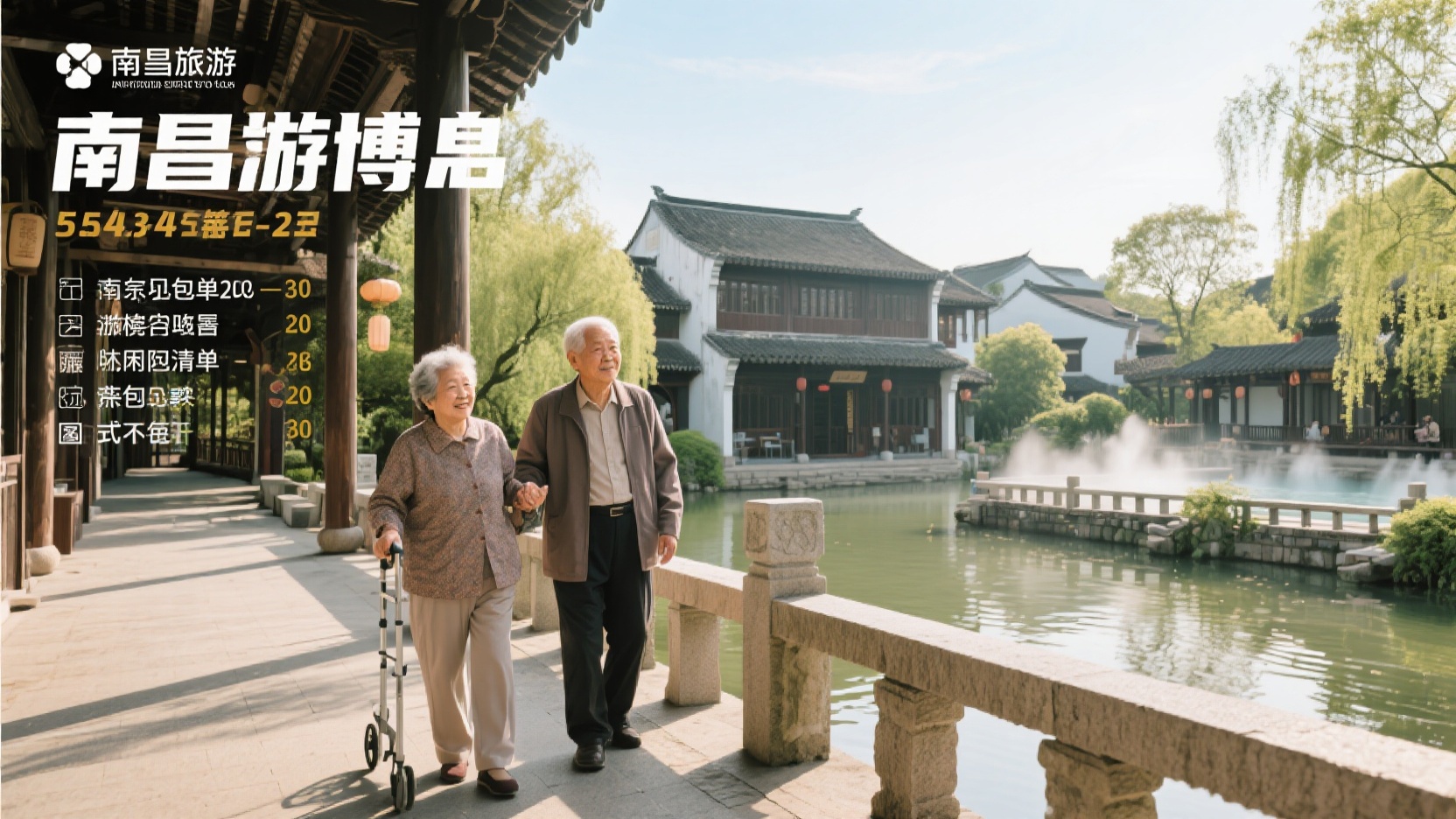
After spending four nights in Nanchang with my parents, I realized one thing: the city's "slow travel friendliness" is severely underestimated. The biggest mistake I made was scheduling the Tengwang Pavilion and Wanshou Palace for the same afternoon; my parents' knees gave out on the third day. The following itinerary was completely reorganized, with only two hours of rest at the hotel each day, focusing on one or two key locations, and repeatedly checking elevators, accessible pathways, toilet density, and hospital distances.
First, staying in the right area is half the battle won for a slow-paced trip.
When bringing parents to Nanchang, accommodation is more important than sightseeing. I stayed near Bayi Square, about a five-minute walk to the subway and an eight-minute drive to the nearest comprehensive tertiary hospital. There were convenience stores and porridge shops downstairs, where you could buy warm liquid food for breakfast. I don't recommend staying in trendy guesthouses; prioritize chain hotels with elevators, handrails in the corridors, and shower benches in the shower rooms.
In Nanchang's old city, some sidewalks have designated areas for non-motorized vehicles; when pushing a wheelchair, use the outer side. If the elderly person is still able to walk, the subway is more stable than a taxi, but be aware that some station exits have steps; check the signs for accessible elevators before exiting. Returning to the hotel for a two-hour lunch break each day and then going out again after 3 PM allows for more flexibility in terms of temperature and time.
This time, I specifically chose a room with a bathtub and a non-slip mat. Every day before my elderly relative's afternoon nap, I helped them soak their feet in hot water, and their calves didn't swell when they went out in the afternoon. This detail was more practical than any travel guide.
II. Five-day, four-night itinerary with one core theme per day
On the first day of arrival, the itinerary will only include the area around the hotel. In the afternoon, we will walk half a loop around Bayi Park. The lakeside path is flat, with dense shade and plenty of benches. There are two public restrooms in the park, about a ten-minute walk from the hotel. No trips requiring crossing the river are planned. We will go to bed early that night.
The second day, we'll only visit Tengwang Pavilion. The main pavilion has an elevator that takes you directly to the upper floors for views of the Gan River, avoiding a long climb. The walk from the south gate to the main pavilion is about 500 meters, with many gentle slopes. The riverside walkway in the North Garden has no obstructions; in summer, we'll leave before 10 AM. The nearest top-tier hospital is about a 10-minute drive away. We'll return to the hotel for a two-hour lunch break, and no long-distance activities are scheduled for the afternoon.
On the morning of the fourth day, we went to the Jiangxi Provincial Museum. The entire museum was well-air-conditioned, and each floor had family restrooms. Wheelchairs and canes could be borrowed free of charge at the information desk. The parking lot was about 200 meters from the entrance. There were many benches inside, so we sat down for a drink after an hour of browsing. The nearest top-tier hospital was about a 15-minute drive away. We returned to the hotel for a two-hour lunch break, and in the afternoon, we bought souvenirs around the hotel. On the morning of the fifth day, we went to Youmin Temple. There were basically no long steps, and a complete walk around took about 40 minutes. If we were returning late, we went back to the hotel for a two-hour lunch break before checking out and heading to the station.
Day 3: Choose one of two options: Ancient Town or Hot Spring
If your parents are sensitive to cold joints, choose Jin Yan Hot Spring; if they prefer old houses, choose Anyi Ancient Village. I've led tours in both directions once each, and the common principle is to avoid arriving too early—enter after 10 AM and leave before 3 PM.
An'yi Ancient Village: Approximately one hour from the city center. Electric shuttle buses are available within the scenic area. The core area is primarily paved with stone slabs; elderly visitors should wear non-slip shoes. It's recommended to only visit the Luotian Village section, which takes about one and a half hours. Do not buy a combined ticket for the entire area; return after exploring the main street. Toilets are scattered throughout the village; use them whenever you see one. Nearby hospitals (level II or above) are about a 20-minute drive away.
Jin Yan Hot Spring: The changing area has benches and non-slip mats, and the outdoor hot spring pools have few steps; staff will proactively remind guests. Elderly people should not soak for more than fifteen minutes at a time, and must sit down to rehydrate in between. The rest area has a lounge where you can lie down for a nap, saving you the trouble of taking a nap at the hotel. It's about a twenty-minute drive from the nearest level-two or higher hospital, which is reassuring.
IV. Four details that senior citizens in Nanchang are most likely to overlook.
Detail 1: The elevators at Tengwang Pavilion can queue during peak hours; try to be among the first group in the morning. The elevators only go to some floors, so you'll still have to walk half a floor to reach the remaining floors; be prepared. Detail 2: Nanchang cuisine is on the spicy side; always order "no spice" and ask for a side of plain porridge or clear soup noodles. Detail 3: Toilet density is best near subway stations and museums; it's lower in Bayi Park and Anyi Ancient Village. Remind elderly people when you see a toilet. Detail 4: Keep daily steps under 8,000. This time, I only planned one key location each day. After a two-hour lunch break, the elderly person's total daily steps were approximately 7,000.
Also, please note that there is a large temperature difference between day and night in Nanchang during the transition from spring to summer. Please bring a light jacket with you when you go out and put it in your bag. Put it on the elderly before entering air-conditioned venues to avoid discomfort caused by the temperature difference.
V. Blogger's Summary and Packing Checklist for Seniors Traveling
Nanchang is a great city to take your parents on a leisurely trip because it's a small city, close to hospitals, has many parks, and the subway connects directly to major attractions. As long as you don't try to see everything, one place a day won't tire the elderly out, and their children won't feel anxious. Below is a checklist I ticked off item by item before we left.
20 items for seniors packing for travel: 1. Two pairs of non-slip soft-soled shoes; 2. Folding bath stool; 3. Commonly used medicine containers; 4. Thermos cup; 5. Light jacket; 6. Sun hat; 7. Umbrella; 8. ID card; 9. Medical insurance card; 10. Folding cane; 11. Disposable toilet seat cover; 12. Wet toilet paper; 13. Portable fan; 14. Knee pads; 15. Eye mask and earplugs; 16. Blood glucose meter; 17. Non-slip slippers; 18. Magnifying glass and nail clippers; 19. Screenshot of attraction reservations; 20. Card with hotel address.
Five categories of commonly used medications to remember: cardiovascular medications, hypoglycemic drugs, gastrointestinal medications, topical ointments, and cold and fever reducers. Before departure, divide your daily medications into daily doses and carry a prescription with you to avoid unexpected medication shortages.