
Qingcheng is more than just grasslands | Connecting 7 niche cultural corners hidden in old factories and communities
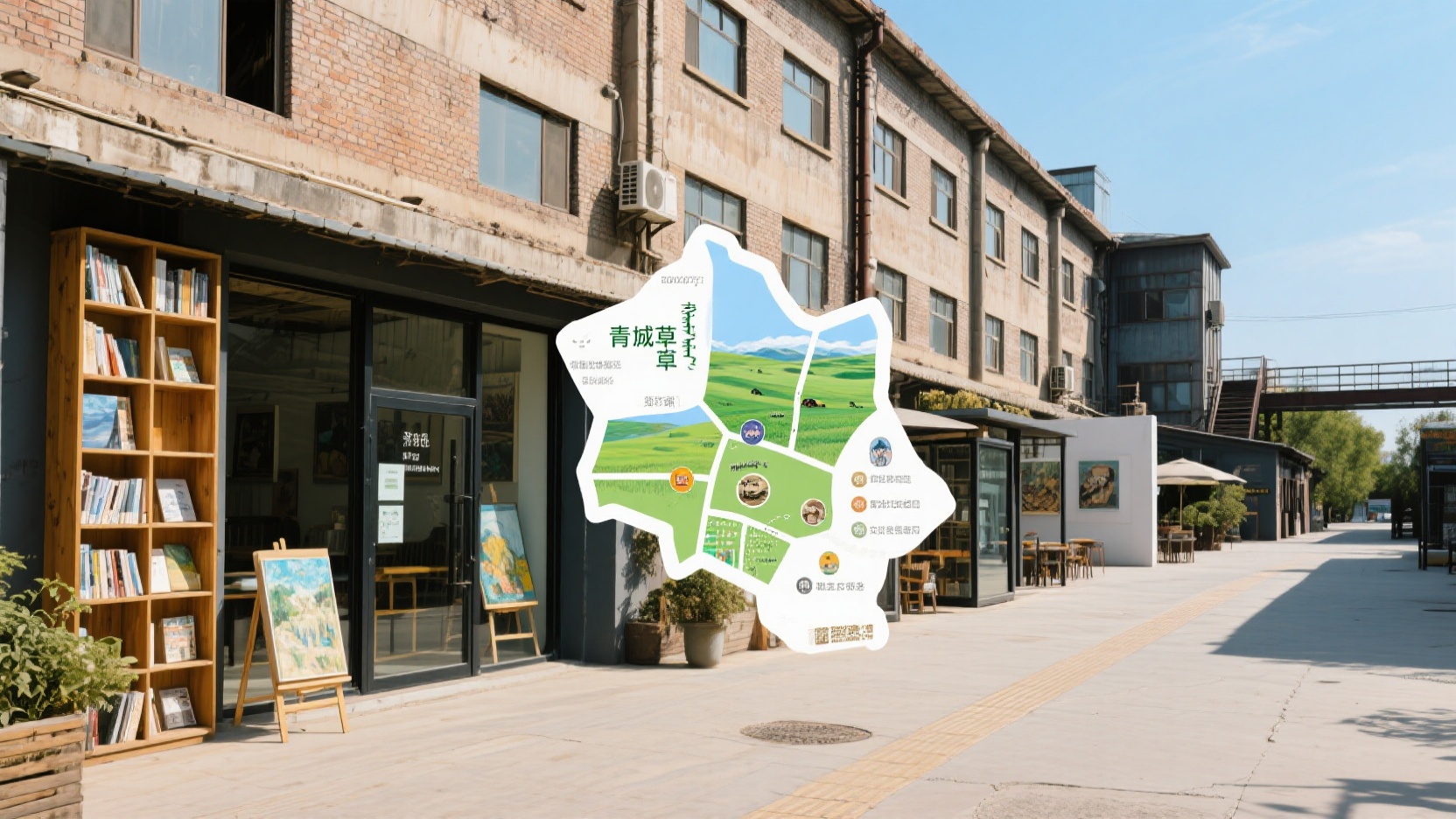
The artistic and cultural landscape of Hohhot isn't found on tourist maps, but rather in industrial parks converted from old factories, two-story buildings in street-front communities, and old warehouses hidden deep in alleys. The following seven locations are connected in a "west to east, day to night" sequence, perfect for a leisurely full day of exploration.
01 Qingcheng Makerspace: A multi-functional cultural and creative park in an old printing factory
Converted from an old printing factory, it retains its terrazzo floors, vintage steel windows, and overhead rails. The atmosphere leans towards industrial coolness, with studios primarily focusing on independent design, woodworking, and film photography. Highlights include the varying light filtering through the high windows and falling on the old machinery at different times of day, and the occasional small-scale handmade exhibitions. Old shipping invoices still adorn some walls, and a self-printed guidebook is available at the corner – feel free to pick one up. Photography tips: Wear low-saturation colors and stand on the second-floor connecting corridor, using the steel windows and overhead rails as a backdrop; side lighting after 3 PM is best for capturing the depth of the space.
02 Between Bookstores: A bookstore specializing in literature, history, and local publications.
Located on the second floor of a community commercial building, this bookstore is small but has a clear focus: Inner Mongolian local history, frontier ethnography, and independent publishing. A long table in the center allows customers to browse sample books. The atmosphere is quiet and restrained, like an extension of a university library. Highlights include the owner's handwritten monthly book list and a special shelf dedicated to local historical documents. The owner's selection reflects a distinct personal taste, updating the themed section only once a month. By not pursuing a rapid release of new books, they are more likely to find out-of-print local chronicles. Photography tips: Use the long table and bookshelves to create a guiding line, shooting from the entrance towards the inside; close-ups of the handwritten book list also yield better results.
03 Beidi Art Space: Grassland Contemporaryity in a Private Art Museum
This is a private, reservation-only art museum. Its permanent exhibitions primarily feature contemporary artists from Inner Mongolia, with works ranging from mixed media to video. The space is converted from an old warehouse, where white walls and raw wooden beams coexist. The highlight is the low density of exhibitions, allowing each work to breathe. The handmade guidebook at the entrance is worth keeping. A wooden chair by the window at the far end of the gallery is a popular spot for viewing the skyline of the old factory buildings across the street. Photography tips: Use medium shots to capture the relationship between the artworks and the viewer; in the afternoon, the soft natural light near the windows is perfect for taking photos of the viewer's back as they browse.
04 Old-Time Warehouse: Collective Memories in a Warehouse of Old Goods
Hidden on the ground floor of an old residential building, this collection primarily gathers everyday items from the 1970s and 80s: enamel basins, old-fashioned radios, hand-cranked telephones, old ration coupons, and factory nameplates. The warehouse is divided into sections based on everyday life scenes, resembling a miniature archive of urban memories. The atmosphere is nostalgic but not melancholic. Highlights include browsing old photo albums and old maps of Hohhot; some drawers can be opened for inspection, but handle with care. The floor retains the texture of the old residential building's cement, making it more comfortable to walk on in flat shoes. Photography tips: use top or side lighting to capture details of the items, avoid using flash; the old wooden door and enamel sign at the entrance are good for framing compositions.
05 Room temperature coffee: The community's downstairs lounge during certain hours
This neighborhood café, located at the entrance of an old residential area, has an inconspicuous sign and is frequented by regulars. The interior retains the old building's tiles and wooden windows. The menu is simple, with the pour-over bean selection changing seasonally. The menu is written in chalk on an old blackboard, and regulars often leave their cups at the bar. The atmosphere is relaxed and low-pressure. A highlight is the window seats overlooking the community garden, offering glimpses of the trees and the everyday scene of elderly people playing chess in the afternoon. Photography tips: sit on a high stool by the window and take a side profile photo with the tree shadows outside as a backdrop; the bar area is good for capturing close-ups of the barista brewing the coffee.
06 Birch Grove Gallery: Young Experimenters in Independent Galleries
The gallery is tucked away on the top floor of an old factory building, primarily representing local young artists. Its exhibitions are short-lived and thematically diverse, often featuring installations and performance art. The space is small but has a high ceiling, with white walls and a gray floor creating a clean backdrop. A highlight is the self-published booklet for each exhibition, which is free to read. Due to the short exhibition periods, it's recommended to check the gallery's online announcements beforehand to avoid disappointment. Photography tips: utilize the ceiling height and narrow windows for vertical compositions; when encountering installations, standing diagonally opposite the artwork will create a sense of spatial tension.
07 Wilderness Bookstore: A Nighttime Corner for Art Books and Prints
This is an art bookstore open late into the night, also selling independent prints and handmade postcards. The lighting inside is warm, and the bookshelves are arranged by publisher rather than bestseller lists. It has the feel of a private study, best visited in the evening. Highlights include the Northwest Independent Publishing section and a small print exhibition that changes monthly. In the print section, you can examine the paper texture up close; the staff usually proactively introduce the artists and editions. Photography tips: Take photos of details of the bookshelves under warm lighting at night to better highlight the paper's texture; the lightbox and wooden steps at the entrance are also good elements to include in your photos.
From old factories to the heart of communities, these locations collectively constitute a side of Hohhot that isn't marked in tourist guidebooks. Explore the city's spiritual corners on foot.