
Artistic Charm of Hohhot | Tracing the Cultural Arts Deep in the Grasslands
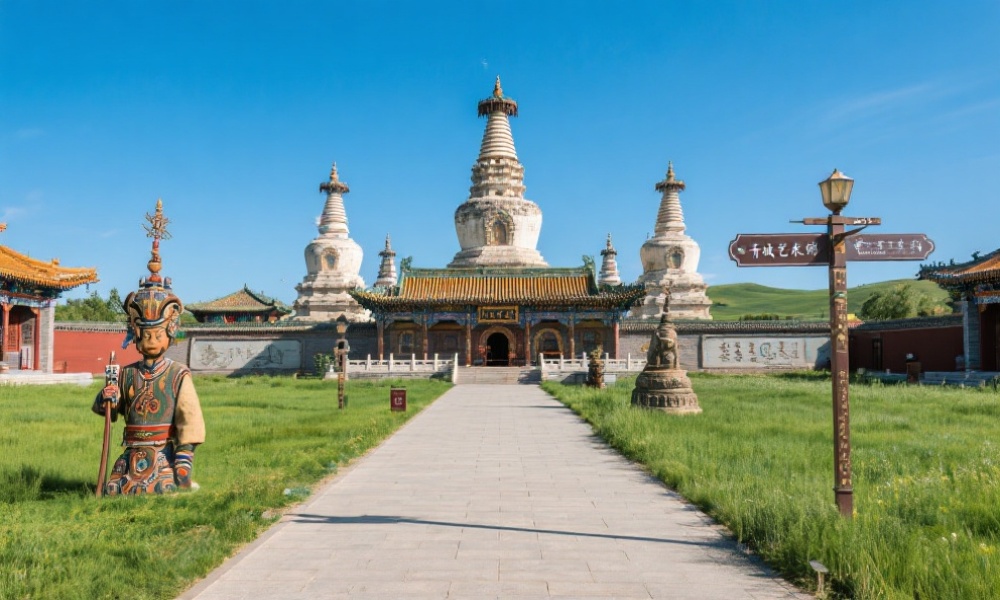
Hohhot, meaning "Blue City" in Mongolian, is not only famous for its vast grasslands. As the capital of Inner Mongolia Autonomous Region, it is also a city steeped in history and rich in culture, bearing the profound imprint of the fusion of northern nomadic and agricultural civilizations. For travelers seeking a deep cultural experience, a cultural and artistic journey in Hohhot will be a discovery beyond the visual, guiding you into the halls of a thousand years of history and allowing you to appreciate the essence of ethnic art.
This curated blog post will plan a cultural tour route centered around museums, historical sites, and intangible cultural heritage experiences. It aims to showcase Hohhot's unique artistic landscape and cultural heritage, avoiding a superficial visit and encouraging a leisurely and immersive experience.
The Prelude to Grassland Civilization: Inner Mongolia Museum
Any journey to deeply explore the culture and art of Hohhot should begin at the Inner Mongolia Museum. This national first-class museum is an encyclopedia for understanding the history, nature, ethnic groups, and art of Inner Mongolia. Its exhibition halls, such as "The Ancient World," "The Magnificent Plateau," "Underground Treasures," and "Ethnic Customs," systematically trace the grand narrative of Inner Mongolia's evolution from ancient life to modern civilization.
In the "Exhibition of Historical Relics of Northern Ethnic Groups," you will directly experience the rise and fall of northern nomadic peoples such as the Xiongnu, Xianbei, Turks, Khitans, and Mongols. Through exquisite artifacts such as bronzes, gold and silver ornaments, horse tack, and clothing, you will appreciate the unique aesthetics and superb craftsmanship of the grassland peoples. Particularly noteworthy is the Mongolian history and culture exhibition area, which covers everything from the rise of Genghis Khan to the establishment and development of the Yuan Dynasty, and then to the exchanges and integration with the Central Plains dynasties during the Ming and Qing Dynasties. Each exhibit carries a wealth of historical information and serves as a cornerstone for understanding the core spirit and artistic style of the Mongolian people.
Ancient Buddhist chants and charm: Dazhao Temple and the old street in the border region
After leaving the museum, you can head to Dazhao Temple in the heart of Hohhot to experience the rich Tibetan Buddhist culture. Dazhao Temple, officially named "Wuliang Temple," was first built in 1579 (the seventh year of the Wanli reign of the Ming Dynasty). It is the earliest Lama temple built in Hohhot and an important temple of the Gelugpa (Yellow Hat) school of Tibetan Buddhism in Inner Mongolia. Its architectural style blends the characteristics of Han, Tibetan, and Mongolian cultures, with magnificent and resplendent halls.
The temple is most famous for its three wonders: the silver Buddha, dragon sculptures, and murals. The Shakyamuni silver Buddha in the main hall, approximately 2.55 meters tall, is cast in pure silver and is magnificent, a masterpiece among Ming Dynasty silver Buddhas. The wooden dragons carved with gold on the pillars in front of the hall are vividly and lifelike. The murals throughout the halls depict Buddhist stories, figures, and myths, with vibrant colors and flowing lines, serving as important material for the study of Tibetan Buddhist art during the Ming and Qing dynasties. Strolling through the temple, listening to the chanting, and admiring the art, one can deeply appreciate how religious belief shaped the spiritual world of the northern ethnic groups.
Surrounding Dazhao Temple is the Sai Shang Old Street, a quaint commercial district that's an ideal place to experience Hohhot's local culture and intangible cultural heritage. Shops line the street, selling Mongolian clothing, silver jewelry, leather goods, dairy products, and handicrafts. Here, you can find traces of traditional Mongolian handicrafts, such as exquisite Mongolian knives, distinctive silver bowls, and models of the morin khuur (horsehead fiddle). These are not merely commodities, but also carriers of ethnic culture and aesthetic taste.
Historical Accounts of Marriage Alliances: The Zhaojun Museum
The Zhaojun Museum, also known as the Zhaojun Tomb, was built to commemorate Wang Zhaojun, the "envoy of peace" during the Western Han Dynasty. Wang Zhaojun's journey to marry the Xiongnu chieftain not only promoted peaceful coexistence and cultural exchange between the Han and Xiongnu peoples but also became a symbol of the unity and integration of the Chinese nation. The museum uses multimedia displays, artifact exhibits, and sculptures to provide a detailed introduction to Wang Zhaojun's life, the history of her marriage alliance, and its impact on later generations.
Climbing to the top of Zhaojun's tomb and gazing at the vast grasslands, one's thoughts seem to travel back a thousand years, experiencing that magnificent history. The Han-Xiongnu Culture Museum within the museum displays a large number of artifacts from the Han-Xiongnu period, including bronzes, pottery, weapons, and daily necessities. These are evidence of cultural exchange between the Han and Xiongnu and important sources for studying the history of northern ethnic groups. Here, art is no longer an isolated entity, but a narrative vehicle closely linked to historical events and the fate of the people.
Exotic Treasures: Wuta Temple and the Ingenuity of Intangible Cultural Heritage
The Five Pagoda Temple, officially known as the Vajrasana Relic Pagoda, was first built during the reign of Emperor Yongzheng of the Qing Dynasty and is a unique representative of Hohhot's architectural art. Its most striking features are the Diamond Sutra inscribed in Mongolian, Tibetan, and Sanskrit on the south side of the pagoda, as well as the carvings of the sun, moon, stars, astronomical charts, and the six realms of reincarnation on the base. These exquisite stone carvings not only showcase superb carving skills but also serve as valuable materials for the study of ancient astronomy, religion, and writing art.
The architectural style of Wuta Temple blends features of Indian stupas, Tibetan Vajrasana (diamond throne), and Han-style pavilions, reflecting the fusion and innovation of multi-ethnic cultures in architectural art. Here, you can admire the ancient Mongolian astronomical chart up close and experience its unique artistic charm and scientific value.
In Hohhot, intangible cultural heritage is a living treasure trove of art. While a preliminary encounter can be made at the Sai Shang Old Street, a deeper experience requires focusing on specific intangible cultural heritage sites. For example, the traditional Mongolian dairy product making techniques are not only a culinary culture but also a reflection of the wisdom of nomadic life; Mongolian silverware making, with its exquisite engraving and inlay techniques, embodies the grassland people's aspirations for a better life and their unique aesthetics; there are also Mongolian long-tune folk songs, throat singing, the morin khuur (horsehead fiddle), and other musical arts, as well as traditional Mongolian clothing and embroidery—all of which are the artistic blood flowing deep within the grasslands. Although direct participation in workshops may require advance reservations or specific arrangements, visiting related exhibition halls, boutiques, or watching performances can also provide a profound appreciation of their artistic value and cultural connotations.
Conclusion: Enjoy a leisurely trip to Qingcheng and appreciate its civilization.
A cultural and artistic journey in Hohhot is not simply a matter of checking off tourist attractions, but a gradual and in-depth dialogue. From the grand narrative of the Inner Mongolia Museum to the lingering chants of Dazhao Temple, from the historical echoes of Zhaojun Tomb to the exotic charm of Wuta Temple, and then to the ingenuity of intangible cultural heritage scattered throughout the city, every place is worth stopping to reflect and savor. Slow down your hurried pace, observe with your eyes, and feel with your heart; you will discover a more three-dimensional and profound Hohhot, a "blue city" brimming with artistic atmosphere and cultural heritage.