
How many days are enough for your first trip to Hong Kong? I'll help you find the right fit based on your needs.
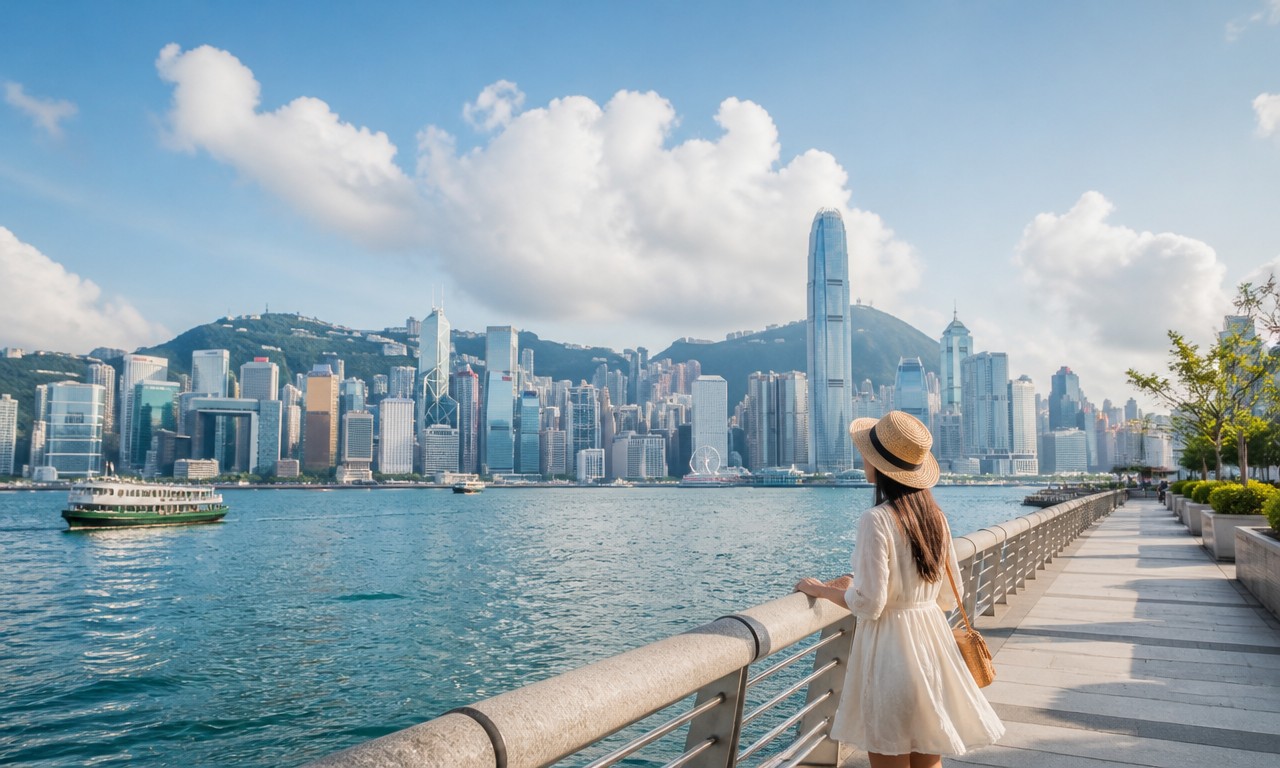
For many people, the biggest dilemma before a trip isn't "What's in Hong Kong?", but rather "How many days should I stay, where should I stay, and which itinerary should I take?" This question deserves a serious answer because it directly determines your physical condition, budget, and final experience. Below, I won't list all the attractions, but rather provide several itineraries based on the three most common groups and lengths of stay.
Branch 1: You only have one day, and it's your first time here.
Suitable for: Those transiting through Hong Kong, those squeezing in time during business trips, and those who want to quickly experience the pace of Hong Kong. A mid-range budget is sufficient; no need to be overly frugal or spend a fortune. The key principle is: avoid crossing the harbor more than twice a day, otherwise, you'll waste a lot of time on transportation.
Suggested Route: Start from Central or Sheung Wan in the morning, first taking a short walk along the Mid-Levels Escalator to experience the three-dimensional feel of the high-density urban area. Have breakfast at a Central market or nearby tea restaurant before 10:00 AM, then take the Star Ferry across the harbor to Tsim Sha Tsui. The ferry itself is more of an experience than the MTR. After disembarking, walk along the waterfront to the Avenue of Stars and take a panoramic photo of Victoria Harbour. Have lunch at a roast meat shop or tea restaurant in Tsim Sha Tsui; the average cost is between tens and hundreds of dollars per person. After lunch, head straight to the Hong Kong Museum of Art or the Hong Kong Space Museum; the air conditioning is perfect for escaping the midday heat. In the afternoon, take a bus or MTR to Mong Kok, walking from Ladies' Market to Fa Yuen Street and then to Yau Ma Tei. This section is mainly about street scenes and local atmosphere; stop whenever you see a suitable street food stall. In the evening, return to the Tsim Sha Tsui waterfront to watch the sunset, then conclude the trip. This itinerary covers a portion of Hong Kong Island and Kowloon, but avoids repeated harbor crossings.
Branch 2: You have two days and one night, and you'd like to stay more comfortably.
Suitable for: Weekend getaways, couples or groups of friends, and those who want to take photos and enjoy good food. The budget can be mid-to-high range; choose accommodation in Tsim Sha Tsui or Wan Chai, avoiding places too far out. The key to a two-day trip is to avoid backtracking on the second day.
The first day follows the route of Branch 1, but at a slower pace. In the evening, you can add a hot pot or seafood stall meal, and then spend some time along Victoria Harbour. The second day is recommended to stay on Hong Kong Island. In the morning, go to Sai Wan or Kennedy Town; the seaside lanes and cafes here are quieter than in Central, perfect for a leisurely stroll. For lunch, go to Sheung Wan or Sai Ying Pun for a bowl of beef brisket noodles or clear broth beef brisket, then take the tram towards Causeway Bay, stopping to explore any streets you like along the way. In the afternoon, shop in Causeway Bay or take a walk in Happy Valley. In the evening, take a ferry from Wan Chai Pier back to Tsim Sha Tsui, pack your luggage, and depart. This two-day itinerary is not too rushed and avoids the peak tour routes.
Branch 3: You have three days and two nights and want to truly immerse yourself in local daily life.
Suitable for: People visiting Hong Kong for the second time, those curious about the city's layout, and those willing to wake up early. Budgets can vary, the key is to stay in an area with convenient transportation but not too touristy, such as Prince Edward, North Point, or Sai Wan Ho.
On the first day, take the classic route and relax a bit. In the evening, spend time at the night markets in Temple Street or Sham Shui Po, watching Cantonese opera and browsing secondhand stalls. On the second day, get up early and have breakfast in Sham Shui Po, then stroll around Apliu Street and Nam Cheong Street. In the afternoon, head to Kowloon City. There's no direct MTR access, but it retains a strong old Hong Kong atmosphere, perfect for leisurely strolls and slow-paced dining. On the third day, you can choose between Lantau Island or Lamma Island – just choose one and don't try to do too much. Lantau Island is suitable for those who want to see the Big Buddha and mountain views, while Lamma Island is suitable for those who want to hike and enjoy seafood. Both involve outdoor activities, so remember to check the weather forecast. This three-day, two-night itinerary basically covers the three experiences of "bustling city streets + everyday life in old districts + a breath of fresh air on an outlying island."
Branch 4: How to choose based on budget and accommodation area
If your budget is affordable, prioritize small hotels or hostels in Sham Shui Po, Prince Edward, or North Point. These are conveniently located with plenty of dining options nearby. For a mid-range budget, consider Tsim Sha Tsui, Wan Chai, or Sai Ying Pun. These are centrally located, making it easy to get back to your hotel at night. For a high-end budget, consider hotels in Central, Admiralty, or above Kowloon Station. These offer better views and more spacious accommodations, but be aware that dining at high-end hotels is correspondingly more expensive. You don't necessarily have to eat at the hotel; there are many other options available outside.
Accommodation areas deserve separate mention: Tsim Sha Tsui is the most convenient for first-time visitors, as Victoria Harbour, the Star Ferry, museums, and numerous restaurants are all within walking distance. Wan Chai and Causeway Bay are suitable for those who enjoy shopping and nightlife. Sham Shui Po and Prince Edward are ideal for those seeking affordable accommodations, authentic dining experiences, and who don't mind older neighborhoods. North Point and Sai Wan Ho are quieter, with tram termins, making them suitable for those who want to stroll leisurely along the eastern part of Hong Kong Island. Just choose the area that best suits your needs; don't worry too much about "where's the best place to stay," the more relevant question is "where is your final destination each day?"
Branch 5: Should the route be adjusted depending on the season?
The most comfortable season in Hong Kong is from November to February of the following year, with moderate temperatures, perfect for strolling through the streets and hiking on the outlying islands. March to May is humid and foggy, diminishing the coastal views, but indoor exhibitions and shopping malls remain unaffected. June to September is hot and rainy, so it's not recommended to plan extensive outdoor activities; you can skip the outlying islands and Victoria Peak and instead explore museums, shopping malls, and old neighborhoods. Early October can still be hot, but much better than midsummer.
If you can only visit Hong Kong during the summer holidays, focus your itinerary on early mornings and evenings, and arrange indoor activities during the midday hours, such as the Hong Kong Palace Museum, M+, the Hong Kong Film Archive, or observation decks in shopping malls. Outlying islands are not off-limits, but it's best to choose places with shorter ferry journeys and sheltered locations, such as Cheung Chau or Peng Chau, which are more suitable for summer than Lamma Island.
Branch 6: If you are traveling with elderly people or children, what changes should be made to the route?
The key points for traveling with elders are "fewer transfers, more seating, and air conditioning." Try to avoid sections like Central and Mid-Levels that require continuous uphill climbing; instead, take a taxi or bus to the summit and then the cable car down. For dining, choose restaurants with seating, such as tea restaurants or hotels, and avoid relying solely on street food for your main meal. Limit your itinerary to a maximum of two major stops per day, and be sure to schedule a rest period at midday.
Traveling with children requires a faster pace, more interaction, and the ability to stop whenever possible. The Hong Kong Science Museum, Hong Kong Space Museum, and the bird sanctuary in Hong Kong Park are all suitable for children. Transportation options like the Star Ferry, trams, and Peak Tram are inherently appealing to kids, so these can be included more frequently. Choose accommodations in Tsim Sha Tsui or Central for easy access to the hotel for rest or changing clothes.