
Tracing the Flavors of Hong Kong: An In-Depth Guide to Authentic Hong Kong Cuisine
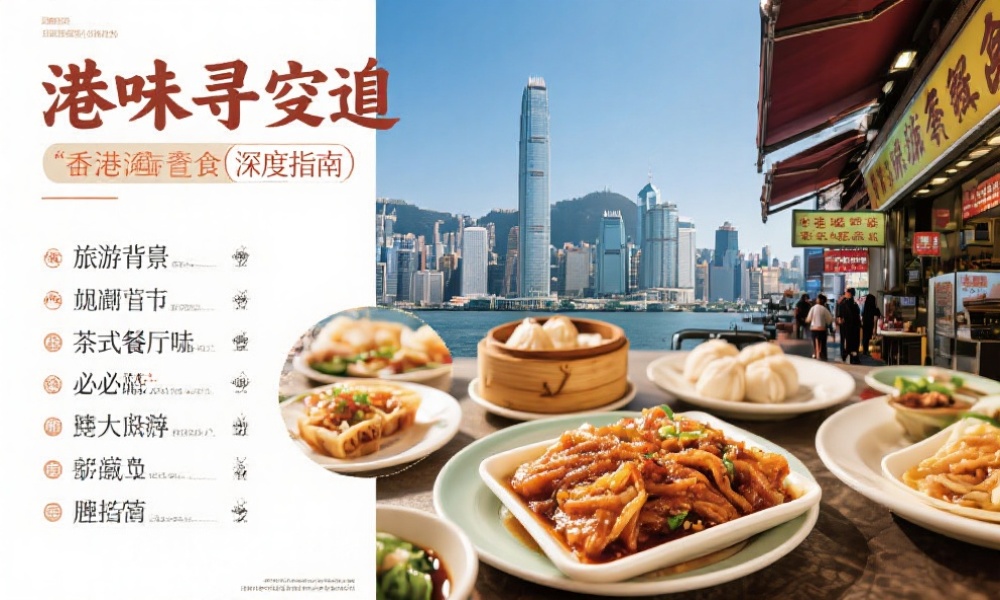
Hong Kong, this dazzling Pearl of the Orient, is renowned not only for its unique cityscape and international financial status but also as a coveted culinary capital. Its diverse cultural background and rich history have forged a distinctive "Hong Kong flavor"—from exquisite Cantonese dim sum to authentic street food, from nostalgic tea restaurant flavors to modern fusion cuisine, each dish embodies the city's memories and vitality. This article will delve into Hong Kong's distinctive culinary landscape, providing a professional and practical guide for travelers seeking an authentic gastronomic experience.
Must-try signature dishes list
Hong Kong's culinary culture is rich and diverse; here are a few representative dishes that you shouldn't miss:
- Cantonese dim sum: As the essence of Hong Kong's morning tea culture, Cantonese dim sum is renowned for its exquisite craftsmanship and rich flavor profile. Shrimp dumplings , with their translucent skin encasing plump, sweet shrimp, offer a bouncy texture; siu mai, filled with pork, shrimp, and mushrooms and topped with crab roe, exudes an irresistible aroma; and char siu bao , with its soft bun skin and perfectly balanced sweet and savory honey-glazed char siu filling, is a classic among classics. For the best dim sum experience, it's recommended to choose a teahouse offering traditional pushcart service to immerse yourself in the authentic morning tea atmosphere.
- Classic Hong Kong-style tea restaurants: Tea restaurants are an important place for Hong Kong locals to eat daily, offering a wide variety of dishes that blend Chinese and Western flavors. Pineapple bun with butter , made by stuffing a slice of chilled butter into a freshly baked pineapple bun, offers a unique taste experience with its crispy and soft textures, and its cool and warm flavors. Hong Kong -style milk tea is made with a blend of various teas and a unique pulling process, resulting in a smooth and rich taste. Egg tarts come in two types: flaky pastry and buttery pastry, with sweet and tender fillings. Satay beef noodles feature a rich satay broth paired with tender beef and chewy noodles, making it an ideal choice for breakfast or lunch.
- Street food: Hong Kong's street food is a vibrant reflection of the city's energy, offering affordable prices and unique flavors. Fish balls are usually seasoned with curry sauce or sweet chili sauce, with a chewy texture; egg waffles are crispy on the outside and soft on the inside, exuding a rich egg aroma; " bowl of shark's fin ," despite its name, is actually a thick soup made with vermicelli, wood ear mushrooms, shredded pork, etc., offering a rich texture; cart noodles offer a high degree of customization, allowing diners to choose noodles, soup base, and toppings according to their preferences, showcasing individuality.
- Hong Kong-style desserts: After-meal desserts are an indispensable part of Hong Kong's food culture. Mango pomelo sago is made with fresh mango, pomelo, sago and coconut milk, and is sweet and refreshing, especially suitable for hot weather; double skin milk is made with water buffalo milk, with a delicate and smooth texture and rich milky aroma, and is usually served both chilled and hot.
Local favorites for food
If you want to experience authentic Hong Kong cuisine and avoid tourist hotspots, visiting the following neighborhoods frequented by locals is a wise choice:
- Sham Shui Po: As one of Hong Kong's oldest neighborhoods, Sham Shui Po retains a strong local atmosphere. It's filled with historic snack shops, tea restaurants, and traditional bakeries, all at relatively affordable prices. For example, you can find well-made tofu pudding, rice noodle rolls, cart noodles, and a variety of traditional pastries. The eateries here typically don't focus on décor, but the food is of extremely high quality, making it an ideal place to experience the taste of old Hong Kong.
- Wan Chai: Wan Chai is a blend of old and new, boasting both upscale restaurants and numerous authentic local shops. Exploring its hawker centres (such as the Lockhart Road Municipal Building Hawker Centre) is highly recommended. These centres gather many local food stalls, offering affordable and authentic Hong Kong-style fast food, noodles, and seafood. Hidden gems like tea restaurants and dessert shops can also be found in the alleyways of Wan Chai.
- Jordan/Yau Ma Tei: These two adjacent areas are hubs for night market culture and traditional eateries. Hidden in the alleyways along Nathan Road are many local favorites, including noodle and congee shops, dessert stalls, and roast meat shops. After nightfall, the food stalls near Temple Street Night Market become incredibly lively, making it a great place to sample street food and late-night snacks.
- Tai Po: For diners seeking a more authentic local experience, consider visiting Tai Po in the New Territories. The Tai Po Market and Cooked Food Centre is a treasure trove for locals, offering a wide variety of local delicacies from breakfast to dinner, including fresh seafood, traditional snacks, and Hakka dishes, all at prices far lower than in the city center.
Tips for avoiding overpriced and overpriced shops and tourist attractions
With the rise of social media, many "Instagrammable" shops and restaurants located near popular tourist attractions have attracted large numbers of visitors. However, these shops often suffer from mediocre food, inflated prices, or excessive marketing. To avoid these pitfalls, the following suggestions are available:
- Be cautious about "influencer" recommendations: Don't blindly follow popular recommendations on social media, as the quality of many "influencer" restaurants doesn't match their advertising. It's recommended to check local review websites (such as OpenRice) or ask local residents for their opinions, focusing on genuine word-of-mouth.
- Avoid the core tourist areas: Food prices in popular tourist areas such as Victoria Peak, Victoria Harbour waterfront, and theme parks are usually significantly higher than in the city center or residential areas. Unless you have a specific need, it's recommended to explore nearby residential areas after your visit for better value and a more authentic dining experience.
- Observe local customer traffic: If most of the diners at a restaurant are locals, it usually means that the food is authentic and the prices are reasonable. On the other hand, be wary of shops that are bustling with customers but have few local faces.
- Discover cooked food centres: The cooked food centres mentioned above are a unique form of dining in Hong Kong. They are usually located in municipal buildings. The environment may not be as comfortable as commercial restaurants, but the food quality is guaranteed and the prices are affordable, making them one of the best choices for experiencing local flavors.
- Understand the price range: In Hong Kong, a typical breakfast or lunch at a local tea restaurant usually costs between HK$40 and HK$80. If you encounter similar food items that significantly exceed this range, you should consider their reasonableness.
- Focus on taste, not ambiance: Many authentic Hong Kong shops and time-honored establishments may have simple or even slightly old-fashioned decor, but these are often the places that hold the purest and most unforgettable flavors. Don't be fooled by appearances; bravely step into those unassuming little shops.
A culinary journey in Hong Kong is more than just about tasting; it's about experiencing the culture and lifestyle behind it. Slow down and savor the unique, vibrant atmosphere of this city through your taste buds.