
Hong Kong Solo Trip Guide: Safety Tips, Photo Spots, and Tips for Avoiding Pitfalls (Tested by the Blogger)
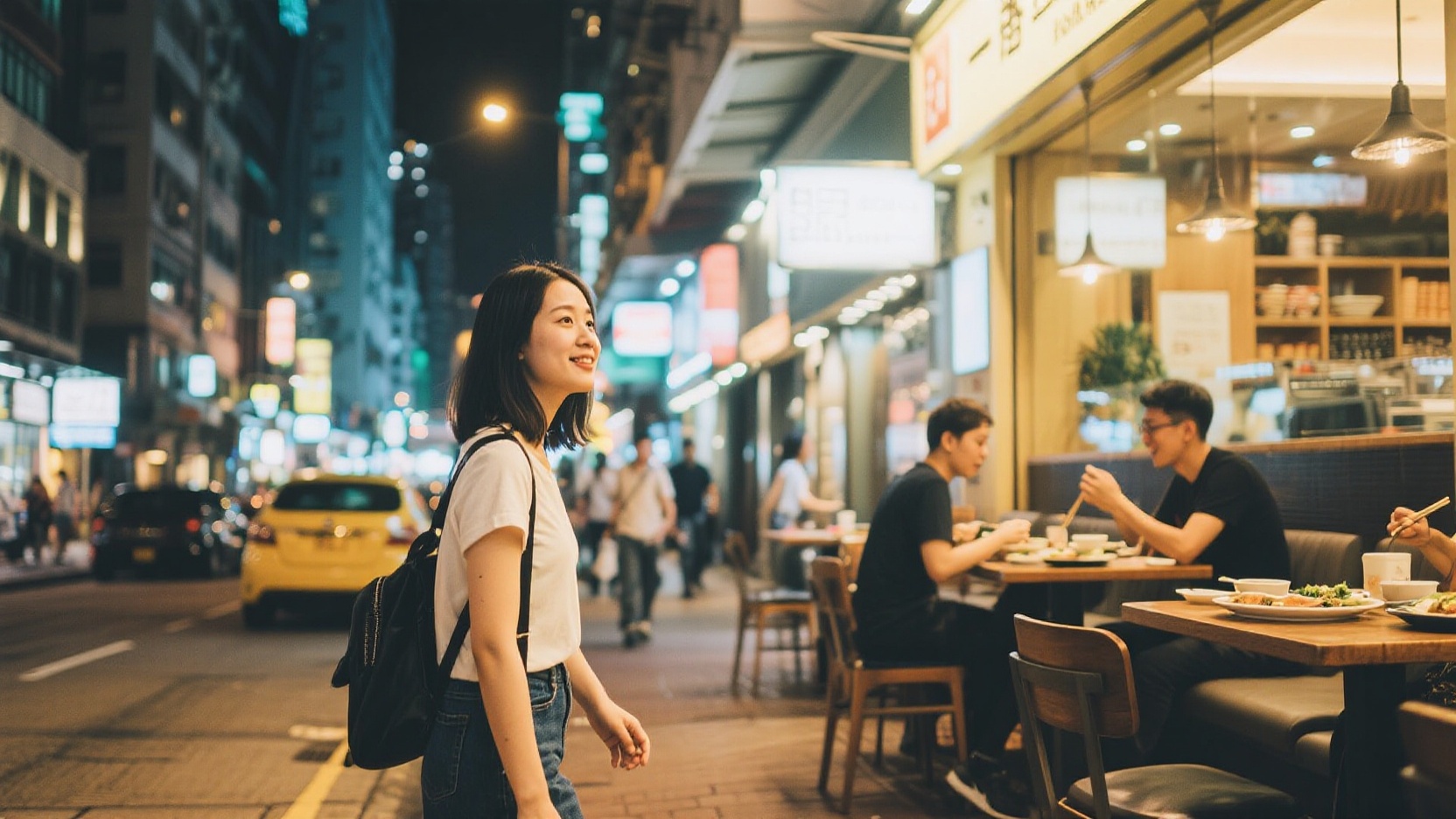
My first solo trip to Hong Kong involved booking a hotel in an old building in Yau Ma Tei. To get back to my room at night, I had to navigate two back alleys without security cameras. The next day, I promptly moved to Sai Ying Pun. After seven trips to Hong Kong, I've developed this method for solo travel: comfortable accommodations, delicious food, beautiful photos, and safe companionship. This post isn't about the usual stuff; it's specifically for solo travelers.
Choosing the Right Area: How to Select Safe Accommodation for Solo Travelers
When choosing accommodation for solo travelers in Hong Kong, safety isn't about how bustling the area is, but rather about whether it has a "sense of local life," a steady flow of people returning home late at night, and a 24-hour front desk. Based on my personal experience, the most reliable areas are Sai Ying Pun, Tin Hau, Wan Chai, and Central/Sheung Wan. Sai Ying Pun has mid-range boutique hotels and apartments, and even after 11 pm, dessert shops and convenience stores are still lit up, making it less stressful for solo travelers to walk back alone. Tin Hau is close to Victoria Park, a quiet residential area, and conveniently located near Causeway Bay and North Point, with prices significantly lower than comparable options in Tsim Sha Tsui.
I don't recommend staying in budget hotels converted from old tenement buildings in Sham Shui Po or Mong Kok for your first solo trip. The elevators are old, the hallways are dark, and there are touts and salespeople near the subway stations late at night, making it easy to feel vulnerable when traveling alone. For hostels, choose chain brands with access cards and lockers. If you're in a dormitory, remember to bring your own small lock and lock valuables in the locker. Keep your accommodation budget to mid-range or budget hostels; safety is always more important than saving a little money.
Dining alone is no longer awkward: These restaurants make dining alone very comfortable.
Hong Kong is very friendly to solo diners, especially if you can avoid the pressure of sharing a table at a cha chaan teng during peak meal times. I often go to the congee and noodle stalls in the Sheung Wan Cooked Food Centre, where I can sit on a high stool, order a bowl of congee with fried dough sticks, and the owner will even ask if I'm full. The old-fashioned rice noodle roll shops and bean curd factories in Sham Shui Po are also great for solo diners; you can try smaller portions and more without anyone finding it strange.
If you want a more formal dining experience without waiting, consider a Japanese ramen shop or a roast meat stall. A clear broth brisket restaurant in Wan Chai offers a fast single-person lunch service; table turnover is quick, and sharing tables is natural – you can simply focus on your meal. A seaside coffee shop in Sai Wan features a row of high single tables, where many locals spend the afternoon alone with their laptops, creating a relaxed atmosphere. Don't be afraid to share a table if you're dining alone; Hong Kong people are used to everyone looking at their phones, so no one will be watching you.
Taking photos without asking for help: Camera positions and selfie techniques that I've personally tested and proven effective.
The secret to solo photography is to "find natural shooting spots and avoid popular photo locations." I highly recommend going to the Mid-Levels Escalator in Central before 8 am. There are fewer people and the lighting is better. Use an octopus-shaped phone holder to fix your phone at the corner of the escalator, and take a few shots while walking back and forth to get a good shot. The water is cleaner at the Sai Wan swimming shed in the morning, but the backlighting is too harsh in the afternoon.
The Chun Yeung Street Tram Market in North Point is perfect for capturing "people interacting with the city." Stand on the market's safety island and take a series of shots as the trams pass by; you won't need help from passersby. At the Monster Building in Quarry Bay, follow the residents' notices, use a wide-angle lens, and shoot from a low angle; a tripod is sufficient. Additionally, the mural walls at Tai Kwun and Art Lane have many framed structures; place your phone against the wall, set a 10-second timer, and you can capture a relaxed feel even when walking alone.
Reliable group-buying/travel companion channels: Even solo travelers can find someone to guide them.
For a hassle-free and safe experience, I prioritize half-day or full-day group tours through reputable platforms, such as local cultural tours, night running tours, or hiking tours. Platform bookings have reviews that can be tracked, and customer service will create a group chat before departure. When traveling alone, you can join a small group, which avoids having to research routes on your own and allows you to meet like-minded travel companions.
When staying at hostels, the front desk bulletin board often posts free walking tours or rooftop yoga activities, which are more reliable offline channels than finding travel buddies online. I once participated in a night market food tour at a hostel in Sai Ying Pun; the leader was a local who only showed the way and didn't try to sell anything. If you're finding travel buddies online, don't arrange to go to non-public areas alone; choose to meet for the first time inside an MTR station or in front of a convenience store.
Blogger's Summary + 10 Safety Checklist Points for Solo Travel
Hong Kong is one of the most beginner-friendly cities for solo travelers in my opinion, with its high density of public transportation, numerous convenience stores, and generally good public safety. However, independent travel is not without risk, especially for women and men traveling alone for the first time. Adhering to safety principles will make the trip more relaxed. I have personally tested and found each of the following 10 tips to be effective:
1. Choose accommodations in areas with 24-hour front desks and access control/elevator access cards, avoiding old tenement buildings and back alleys without surveillance. 2. After 10 PM, try to walk along main roads near the MTR station, avoiding shortcuts into back alleys. 3. Activate roaming on your phone in advance or buy a local data SIM card, and carry a power bank with you. 4. Keep your documents and cash in two separate places, so losing your wallet won't affect your return trip. 5. Use reputable ride-hailing apps, and take a picture of the license plate before getting in and send it to your family. 6. Do not accept drinks or food from strangers, and do not drink beverages left out of your sight in bars. 7. Send your location and a screenshot of your daily itinerary to your family at two fixed times each day. 8. Carry an Octopus card and a small amount of cash, as some old shops in markets only accept cash. 9. If you encounter salespeople or people trying to solicit you, simply say "No, thank you" and walk away without pursuing them. 10. Remember the local emergency and ambulance hotlines, and confirm the hotel front desk phone number.
You can screenshot these ten points and save them on your phone to quickly review before heading out each night. Traveling alone in Hong Kong isn't lonely; on the contrary, it makes it easier to hear the city's rhythm. Save this post, and next time you're traveling alone, follow this guide.