
How do I choose a neighborhood to stay in Hong Kong? I've answered some of the most frequently asked questions by my readers.
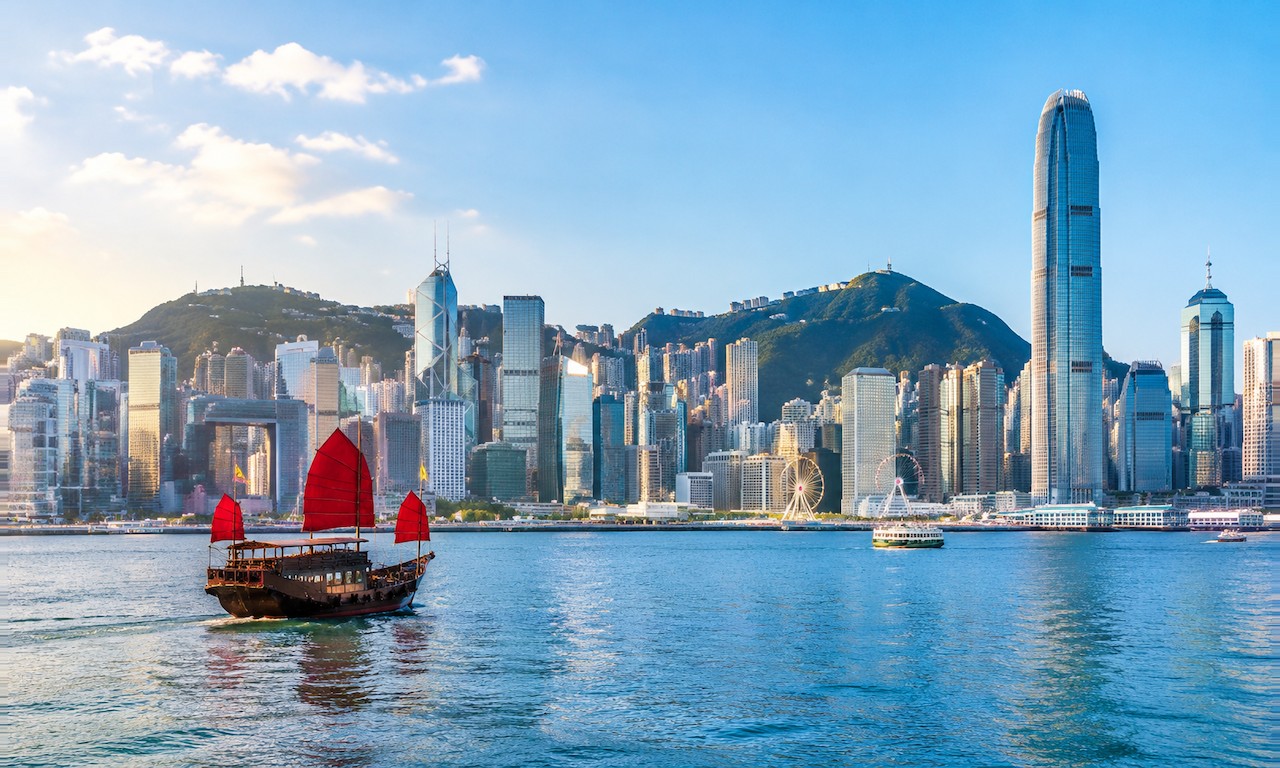
Which area is the most convenient? Where to stay with elderly people and children? Where to stay if you want peace and quiet? Where to stay if you want nightlife? Will you be able to check in smoothly if you arrive late at night?—these are some of the most frequently asked questions by readers before their trip. They are not actually the same question, but they all point to the same thing: Hong Kong is not large, but the living experience and travel logic between different areas vary more significantly than you might imagine. Choosing the wrong area won't ruin your trip, but it will make you walk much more and transfer more often each day. Below, we'll break down these questions one by one.
If it's your first time in Hong Kong, which area is the least likely to make a mistake by staying in the wrong place?
My assessment is that Tsim Sha Tsui and Sheung Wan are the safest bets, but the trade-offs differ. Tsim Sha Tsui is suitable for those whose itinerary focuses on "attractions + shopping + night views," as most of the Star Ferry, Victoria Harbour, Harbour City, and West Kowloon Cultural District are within walking distance, and the MTR and Airport Express connections are convenient, so you won't be short of places to go when you return at night. The downsides are that Tsim Sha Tsui is too bustling, the streets are crowded, room sizes are generally small, and the accommodation experience at hotels in the same price range is not as good as on Hong Kong Island.
Sheung Wan represents the other extreme of a safe bet: it's close to Central, but the pace of life is much slower. Nearby are Hollywood Road, PMQ, Western Market, and numerous upscale hotels and boutique apartments. It's suitable for those visiting Hong Kong for the second time, or those who don't want to be constantly surrounded by tourists. Neither area is easy to go wrong with; the difference lies in whether you prefer the bustling or the tranquil side of Hong Kong.
Where is the most worry-free place to stay when traveling with elderly people and children?
I would recommend Wan Chai first, followed by the West Kowloon area. Wan Chai's advantages are its flat terrain, well-developed pedestrian system, and the fact that you don't usually have to cross many footbridges to walk from your hotel to the MTR station. There's a high density of convenience stores, restaurants, and supermarkets nearby, making it easy to find food or daily necessities in the evening. For the elderly and children who walk slowly, Wan Chai's road conditions are more pedestrian-friendly than those in Central and Causeway Bay.
In West Kowloon, such as the Olympic and Nam Cheong areas, hotels are newer and rooms are larger than those in Tsim Sha Tsui at the same price. There are also more shopping malls and parks, which are suitable for children to run around in. The downside is that it is a bit far from traditional tourist attractions, and you have to rely on the subway for most things. If your children are young and you mainly spend your time around hotels and shopping malls, West Kowloon will be much more comfortable than Mong Kok or Tsim Sha Tsui.
Which district should I live in if I want a quieter place and want to avoid crowds?
Two options: Kennedy Town on Hong Kong Island West, and Hung Hom in Kowloon. Kennedy Town is a ten-minute drive from Central, but it's home to many local families, so the streets are less crowded at night. The seaside promenade is perfect for strolling, and there are many small shops and cafes nearby, so it's not noisy. The downside is that there are fewer tourist amenities, and getting to popular attractions usually requires several subway stops.
Hung Hom offers a different kind of tranquility—not the kind that evokes a hipster vibe, but the everyday quiet of a residential area. Close to Whampoa and Tsim Sha Tsui, within walking distance of the waterfront, and with convenient dining options, Hung Hom offers a comfortable stay despite its limited hotel selection. If you're on a budget and want to avoid the crowds in Mong Kok, Hung Hom is definitely worth considering.
I enjoy nightlife, so where would be a convenient place to stay if I'm going out at night?
The Causeway Bay or Wan Chai area is the top choice because the nightlife there isn't just limited to convenience stores; people genuinely stay out late. Causeway Bay's shopping malls, restaurants, bars, and cinemas all stay open late, offering plenty of options for late-night snacks without the hassle of getting back to the hotel. Wan Chai, on the other hand, leans more towards izakayas and pubs, perfect for those who enjoy eating and chatting.
Another option is Tsim Sha Tsui East, where the nightlife is more dispersed, but it boasts stunning night views and a waterfront promenade. If you're looking for a relaxing evening with a drink, a breeze, and views of Victoria Harbour, Tsim Sha Tsui East offers a more relaxed experience than Central. If you prefer a denser nightlife scene, the Lan Kwai Fong area in Central is also an option, but accommodations are more expensive and smaller, making it suitable for those on a higher budget who primarily plan their activities within those few streets.
Will I be able to check in smoothly if I arrive at the airport in the middle of the night?
As long as you book a legitimate hotel, most can check in 24 hours a day, so there's no need to worry about that. What you really need to be careful about are some "guesthouses" and small inns converted from old buildings in Hong Kong. The front desk is not on duty 24 hours a day, and there may be no one there after 11 pm. You need to confirm with the property in advance, otherwise you may not be able to get in if you arrive late at night.
If your flight arrives in the early morning, I recommend choosing a hotel along the Airport Express line for your first night, such as near Hong Kong Station, Kowloon Station, or Tsing Yi Station. The Airport Express runs later than the MTR, so you can rest as soon as you get off the train, which is much easier than dragging your luggage, changing buses, and finding your way around. You can then move to your preferred area the next day. This arrangement is more energy-efficient and avoids the anxiety of late-night transportation.
Where should I stay for a short stay of two or three days, and how can I minimize the amount of luggage I need to bring?
The key isn't "which area is best," but rather whether your main itinerary is on Hong Kong Island or Kowloon. If most of your trip is along the Hong Kong Island Line, then stay in Wan Chai or North Point to reduce the number of times you need to cross the harbor. Although North Point isn't as popular, hotel prices are more affordable than in Causeway Bay, and the MTR is convenient, making it easy to get to Central, Taikoo, and Sai Wan.
If your trip spans Kowloon and the New Territories, or you need to go to the high-speed rail station or airport, stay in Jordan or West Kowloon. Jordan is located between Tsim Sha Tsui and Mong Kok, so it's not far from anywhere. There are many restaurants nearby, and you can find something to eat even if you arrive late at night. The worst thing you can do with a short stay is constantly changing hotels, so it's more practical to decide on your main travel area first, and then choose your accommodation, rather than worrying about "which area is the best".
If you want to experience the local atmosphere but don't want to stay in tourist areas, where should you stay?
I recommend Sham Shui Po and To Kwa Wan. Sham Shui Po has changed a lot in recent years, with old markets, trendy shops, and electronics markets all mixed together. Staying here allows you to see everyday Hong Kong. The downside is that some streets are quiet at night, and there are fewer hotel options, mostly small guesthouses or newer apartments, so you need to be careful about cleanliness and facilities.
To Kwa Wan offers a more "old Hong Kong" experience. There's no MTR station, and access is by bus or minibus. However, this very slow pace of life means that the local cafes, markets, and old industrial buildings retain their original character. It's suitable for readers who have already visited Hong Kong several times and want a more relaxed atmosphere. If it's your first time, it's best to choose an area with convenient transportation.
Which area offers the best connection between ferry and high-speed rail for departing Hong Kong?
If you're going to Macau to catch a ferry, staying in Sheung Wan is the most convenient, as the Hong Kong-Macau Ferry Terminal is right in the Shun Tak Centre, just a few minutes' walk away with your luggage. Tsim Sha Tsui is also an option, as the China Ferry Terminal is nearby. However, if your flight or ferry departs early, it's advisable not to stay too far away the night before to avoid rushing in the morning.
If you're taking the high-speed rail back to the mainland, there are hotels above and around West Kowloon Station, making it the easiest option to walk directly into the station. For a cheaper option, Jordan is also within a 20-minute walk to West Kowloon Station, and a taxi is nearby. Staying in Mong Kok or Tsim Sha Tsui is also acceptable, but you need to allow extra time for border crossing; the high-speed rail isn't like the regular subway, and missing a train can be a big hassle.