
These 8 fresh delicacies in Dalian | My personally tested list of seasonal delicacies (not the trendy, off-the-beaten-path version)
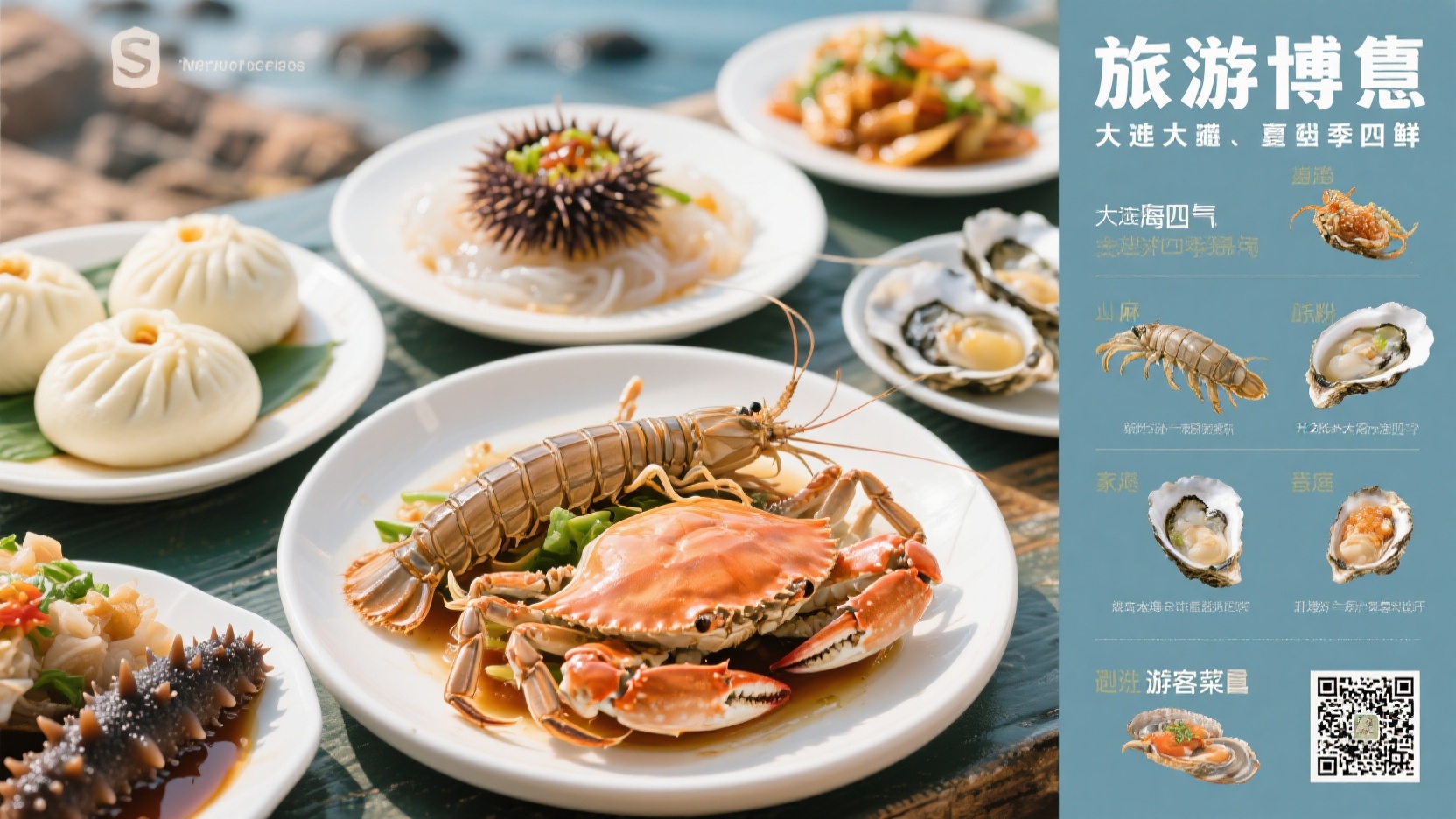
Eating out of season in Dalian is more regrettable than going to the wrong restaurant. For four consecutive years, I've visited Dalian during different solar terms, from the docks to the wet markets, and discovered that the locals' menus aren't fixed on the walls of trendy restaurants, but rather change with the 24 solar terms. Tourists often say Dalian is all about sea urchin dumplings and grilled squid, but truly "once-in-a-lifetime" freshness often only lasts two or three weeks. This article doesn't recommend specific restaurants, but rather highlights eight seasonally exclusive flavors that Dalian locals eat right at the right time.
From Qingming to Guyu: mantis shrimp are full of yellow, and mountain hawthorns are at their tenderest.
When visiting Dalian in spring, don't rush to the tourist attractions. First, ask a local: "Are the mantis shrimp plump yet?" Every year from Qingming to Guyu, the mantis shrimp in the Bohai Bay reach their peak roe production. The female shrimp will develop a purplish-red roe on their backs, and you can see the overflowing roe when you pick them up with chopsticks. The mantis shrimp meat is at its firmest during this season. After May Day, the shells will gradually become hollow, and the sweetness will decrease. The local way of eating them in Dalian is very relaxed: after steaming, don't cut or slice them. Twist from the second-to-last segment from the tail, then gently push from the abdomen with chopsticks, and the whole piece of meat can be pulled out intact. Dipping it in a little ginger and rice vinegar is enough.
At the same time, wild hawthorn quietly sprouts from the hillside. This wild vegetable is not unique to Dalian, but Dalian people incorporate it into their spring steamed buns, pairing them with diced pork or dried shrimp filling, the dough soaking up the vegetable juice. The wild hawthorn stems picked before Grain Rain are tender and not tough; after this period, they become bitter and tough. Locals only take the tenderest part, blanch it, squeeze out the excess water, and then mix it into the filling. When you bite into the bun, you can smell a very light herbal aroma.
From the Summer Solstice to the Minor Heat: Sea urchins are at their fattest, and sea jelly is a lifesaver during the hottest days of summer.
Many people believe sea urchins are available year-round, but in Dalian, the peak season for purple sea urchins is around the summer solstice. When the water temperature rises, the sea urchin roe fills the entire shell, displaying a beautiful orange-yellow color, and melts in your mouth like savory cream. Locals don't just eat sea urchin sashimi; they cut open the shell, extract the roe, and mix it directly into hot rice, letting the residual heat of the rice release its aroma. Alternatively, they can have a dumpling shop make sea urchin dumplings, but it's best to order only a few ounces to experience the freshness, because after the Lesser Heat solar term, the sea urchin roe begins to thin, and its flavor diminishes by half.
In the sweltering heat of Dalian, seaweed jelly is essential for survival. Unlike regular jelly, it's made with a gelatinous substance derived from seaweed or agar-agar, which becomes translucent and slightly crunchy with a distinct "sea flavor" after cooling. Locals are generous with their preparation: minced garlic, dried shrimp, cilantro, white vinegar, and chili oil are all added, creating a tangy and spicy flavor with a hint of sea sweetness. Only agar-agar dried in summer has the best gelatinous substance; jelly made in winter tends to be softer. Therefore, this bowl of jelly is a limited-edition way to cool down in Dalian's summer kitchens.
Autumn fishing season begins: Flower crabs are at their fattest, and mackerel dumplings are at their most delicious.
When the fishing season opens in September, Dalian residents' social media feeds are filled with festive cheer. Around the Autumn Equinox, the high tides push the flower crabs and red-shelled crabs to their fattest state, their shells hard, their roe plentiful, and when you lift the shell, you can see the roe and meat tightly packed together. Locals steam flower crabs with almost no seasoning; after steaming, they first break off the crab legs, then lift the shell and mix the crab roe into rice or cornbread, even sucking out all the juice from the shell. At this time, the crab meat is at its most springy; after the Double Ninth Festival, some crabs begin to hollow out, and their freshness diminishes.
Autumn mackerel is also a limited-time delicacy. After a summer of foraging, autumn mackerel is rich in oil and has firm flesh, making the filling juicy and not falling apart. Dalian mackerel dumplings emphasize "large" and "fresh": the dumpling skin is slightly thicker, and the filling contains only a small amount of fatty pork, chopped chives, and ginger juice, never using heavy seasonings to mask the fish flavor. One bite, and the fish meat bursts with fresh broth. Regular diners will specifically choose the first few boats of mackerel after the autumn fishing season begins, because as the water temperature drops and the mackerel leave the shore, it becomes difficult to find this firm texture in restaurants.
From Heavy Snow to Minor Cold: Oysters are sweet and milky, and sea cucumbers begin their "Nine Cold" season.
When the cold winds blow, Dalian oysters truly come into their prime. From the winter solstice to the Lesser Cold, the seawater temperature is low, and the oysters accumulate more sugar to withstand the cold, resulting in plump, sweet-tasting meat that is almost entirely devoid of any fishy smell when eaten raw. Locals at the docks squeeze a few drops of lemon or dip them in wasabi after opening the oysters, then suck them into their mouths—the best way to judge the freshness of the season's oysters. If you're worried about them being too cold, you can toss them into a Northeastern-style sauerkraut hot pot and cook them together. The fermented, tangy aroma of the sauerkraut complements the sweetness of the oysters, and the broth is perfect for soaking rice.
At the same time, Dalian sea cucumbers enter their winter harvesting season. Local elders traditionally eat one sea cucumber every day from the winter solstice onwards ("Jiaojiu"). Sea cucumbers from Liaoning at this time of year have thick flesh and elastic skin, making them perfect for simmering in millet porridge to make sea cucumber millet porridge; they can also be stir-fried with scallions, but the key is whether the sea cucumber itself has been properly prepared. Sea cucumbers are not cheap, so they can be enjoyed as a winter tonic, not something to order at every meal.
The blogger concludes: Dalian's freshness is never a menu that remains unchanged throughout the four seasons. Come in spring to eat mantis shrimp and hawthorn, in summer to chase sea urchins and sea jelly, in autumn to catch crabs and mackerel dumplings after the sea opens, and in winter don't miss oysters and sea cucumbers. Each bite corresponds to a very short window of the seasons.
Practical Tips: From Qingming to Guyu, choose mantis shrimp with yellow roe and ask the vendor to open the shell to check the roe line on the back; from Summer Solstice to Xiaoshu, sea urchins are best bought at the afternoon market and opened that day; from Autumn Equinox to the start of the fishing season, crabs and mackerel are most sought after in the first two weeks, so it's recommended to inquire about prices near the pier around noon; from Daxue to Xiaohan, don't just look at the size of oysters, ask the vendor to open one first to check if it's juicy. Many seasonal products in Dalian are affected by the weather, so when you arrive, ask "What's in season now?" to avoid making a mistake. Eating according to the solar terms is the right way to experience a city.