
Dalian Arts & Culture | Unlocking the Century-Old Splendor and Contemporary Artistic Realm of the Coastal City
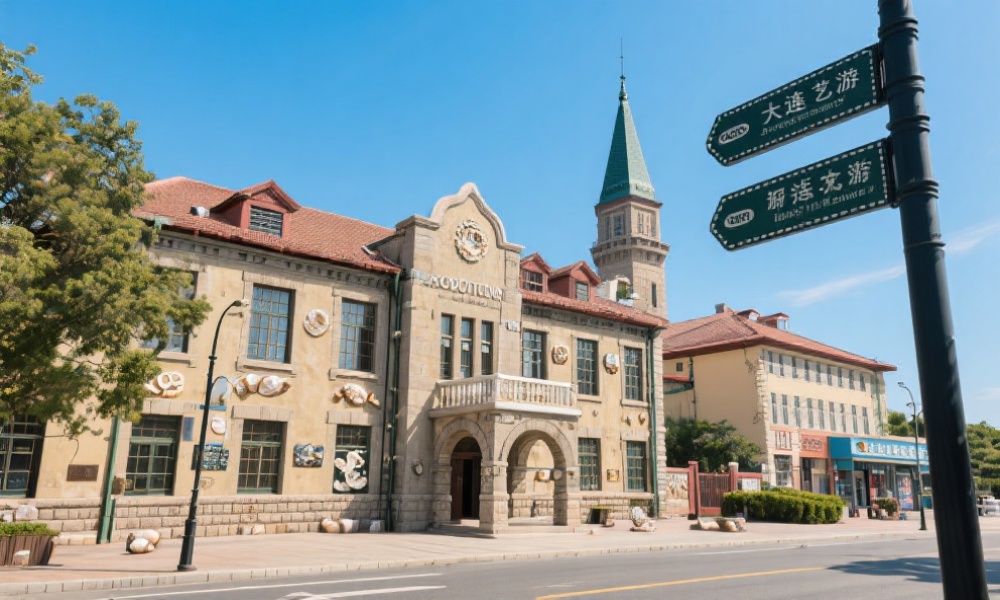
Dalian, a port city located at the southern tip of the Liaodong Peninsula, has a unique geographical location and modern history that have shaped its urban cultural fabric, blending Eurasian flair with northern heritage. This curated blog post plans a three-day "Cultural and Artistic Journey" for in-depth cultural travelers, aiming to guide visitors away from the hustle and bustle of conventional tourist attractions and immerse them in exploring Dalian's century-old splendor, historical imprints, and contemporary artistic expressions, achieving a truly leisurely cultural tour.
Tracing the Origins of Bincheng: Modern Architecture and Urban Fabric
A cultural and artistic journey through Dalian should begin at Zhongshan Square, the starting point of its urban planning. This square is characterized by its radial road network and is surrounded by more than ten European-style buildings dating back to the early 20th century, including the former Dalian City Hall, the Yamato Hotel, and the Yokohama Specie Bank. Together, they form the core of Dalian's modern urban landscape. These buildings exhibit diverse styles, blending Renaissance, Baroque, and Classical elements, serving as tangible evidence of the "urban transformation" concepts of the Japanese colonial period. A stroll through the square offers not only an appreciation of exquisite architectural art but also a glimpse into Dalian's prosperous past and complex history as an international commercial port.
Afterwards, we visited the Dalian Modern Museum, which systematically traces the city's development history since its opening to foreign trade. Its exhibits cover the periods of Tsarist Russian and Japanese colonial rule, as well as the construction process after the founding of the People's Republic of China. Through a wealth of artifacts, documents, and video materials, it deeply analyzes the city's political, economic, and cultural transformations. The museum is not merely a simple display; rather, it uses a narrative approach to showcase the struggles and resilience of the people of Dalian in different historical stages, serving as a window into understanding the spirit of Dalian.
In the evening, you can stroll to the Russian-style street. This street preserves a cluster of buildings in the early 20th-century Tsarist Russian style. Its red brick roofs, relief decorations, Gothic window frames, and other details silently tell the story of Dalian's past as the "Paris of the East." This place is not only a concentrated display of architectural art but also a manifestation of cultural fusion. Here, visitors can experience the interweaving of exoticism and local culture, and feel the unique charm of Dalian's diverse cultural heritage.
Lushunkou: Echoes of an Epic and National Memory
The second day's itinerary will focus on Lushunkou, a harbor carrying heavy historical memories. Lushunkou played a pivotal role in modern history, serving as the core battlefield of the First Sino-Japanese War and the Russo-Japanese War. Its strategic importance and historical tragedy make it an indispensable page in understanding modern Chinese history.
Our first stop is the Lushun Museum, one of the oldest museums in Northeast China. Its collection is incredibly rich, encompassing artifacts from prehistoric times to modern history, and is particularly renowned for its Buddhist art, Xinjiang artifacts, and thematic exhibitions reflecting the modern history of Lushun. The museum itself is a century-old building, its architectural style complementing its collection, providing visitors with a comprehensive and in-depth historical and cultural experience. Through careful observation, visitors can gain a clearer understanding of the historical context of Lushun and the entire Northeast region.
Next, we will visit the Lushun Russo-Japanese Prison Site Museum. This site is historical evidence of the aggression of Tsarist Russia and Japanese imperialism against China, and is currently the best-preserved and largest colonial-era prison site. A visit here allows one to directly experience the cruelty of war and the loss of human dignity, naturally inspiring reflection on history and a deeper appreciation for peace. With its authentic and impactful scenes, the museum profoundly reveals the essence of imperialist aggression, making it an important place for patriotic education and historical warning.
Finally, visit the North Fortress of Dongjiguan Mountain or Hill 203. These are military fortresses left over from the Russo-Japanese War, still retaining relics such as trenches, gun emplacements, and shell craters. Standing on these historical high points, you can not only overlook the entire Lushun naval port, but also relive that era of constant gunfire through guided tours, understanding the crucial role these strategic locations played in the international landscape at the time, and the immense sacrifices made by countless soldiers.
Artistic Heritage: Intangible Cultural Heritage Craftsmanship and Contemporary Expression
On the third day, we will turn to the fields of intangible cultural heritage and contemporary art in Dalian, to experience the dialogue between tradition and modernity in this city.
Dalian shell carving, a national intangible cultural heritage, is a unique artistic crystallization of Dalian's marine culture. Using various natural seashells as raw materials, shell carving incorporates the natural luster and texture of the shells into artistic creations through exquisite carving, inlaying, and polishing techniques, forming artworks with a three-dimensional feel and dynamic interplay of light and shadow. Visitors can visit shell carving art museums or related intangible cultural heritage bases in Dalian to observe the ingenious skills of shell carving artists up close, and even have the opportunity to participate in workshops to create their own shell carving pieces, gaining a deeper understanding of this traditional craft that embodies marine culture and the spirit of artisans.
In the afternoon, you can visit the Dalian Art Museum or choose some emerging art spaces to experience Dalian's contemporary art atmosphere. The Dalian Art Museum regularly hosts various art exhibitions, including works by local artists and international art exchange exhibitions, serving as an important platform for understanding the development of contemporary art in Dalian and even Northeast China. These art spaces not only showcase artists' reflections on the city, society, and life but also reflect Dalian's vitality and innovation in its cultural diversification. By appreciating artworks in different media and styles, you can perceive Dalian's urban spirit and cultural pulse from another dimension.
This cultural and artistic tour of Dalian aims to guide visitors beyond the surface and allow them to touch the soul of the city through in-depth exploration of historical sites, art venues, and intangible cultural heritage experiences. Every pause, every glance, will be a profound interpretation of Dalian's century-old splendor and contemporary artistic landscape.