
When should I buy Beijing souvenirs? I've made a list based on their expiration dates.
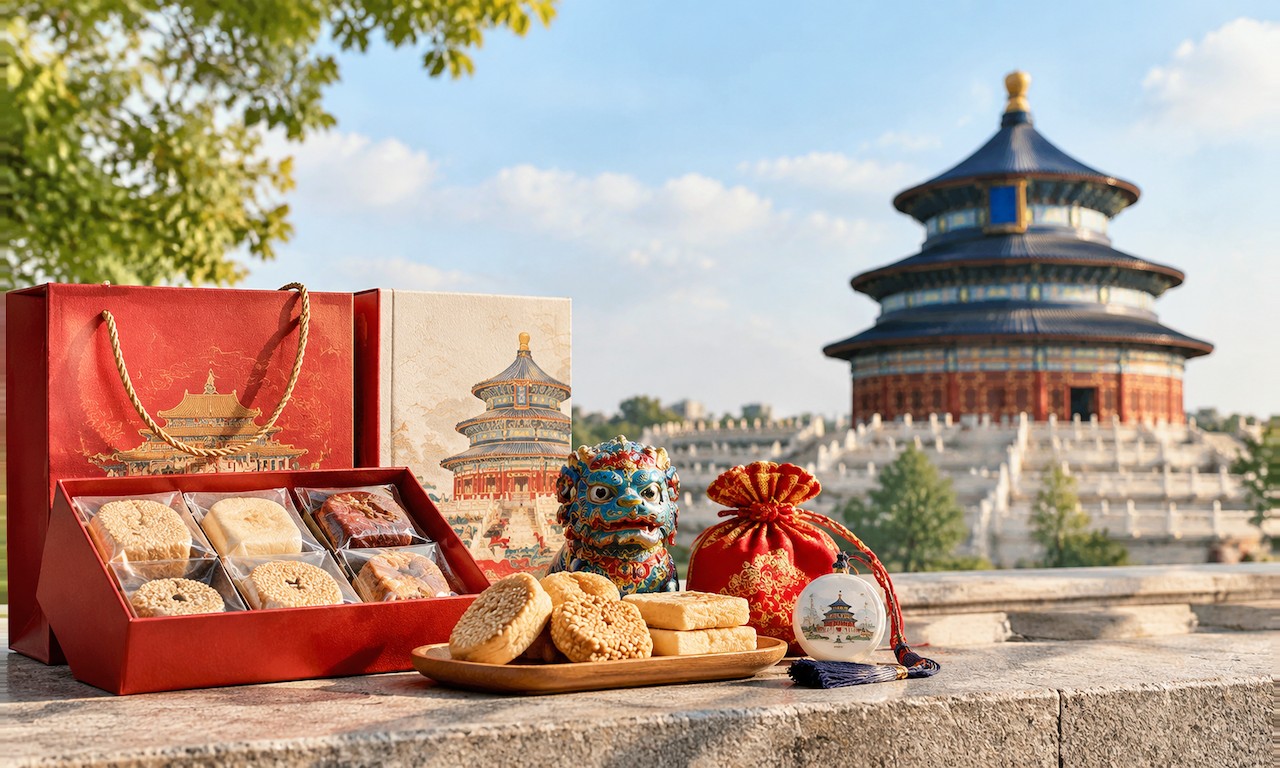
The core issue boils down to one sentence: The question of Beijing souvenirs isn't "what to buy," but rather "when to buy and whether they're still edible after you get home." Many people buy Daoxiangcun and Huguosi snacks, only to find them damp, broken, or tasting different flavors when they open the boxes. It's not that the products are bad; it's that they bought them too early. This article, organized chronologically by travel timeline and the shelf life of food, clearly explains the timing of purchase, how to carry them, and how to handle them after they arrive home.
3 days before departure: Don't place an order yet, think through a few questions first.
My advice is not to buy all the souvenirs before you leave. You won't know if your family will like the sweetness or the richness of the pastries until you've even tasted them in Beijing. But do at least three things before you leave: First, leave half a shelf of space in your luggage specifically for soft-pack pastries for the return trip; second, consider whether any of the recipients have dietary restrictions, such as someone who can't eat animal fat or someone with high blood sugar, which directly determines whether you should buy Beijing's eight traditional pastries; third, clear out a small area in your freezer, which you'll need later.
The only things you can buy in advance before you leave are items with a shelf life of over a year and that aren't susceptible to damage from pressure, such as tea or Erguotou (a type of Chinese liquor). However, there's no real difference between buying them in Beijing and buying them online, so there's no need to order in advance; just buy them when you arrive.
Day 1 of the trip: Eat first, then buy, establish a benchmark for judgment.
Don't buy any souvenirs on the first day. What you should do today is go to a local shop they frequent, like those in Niujie or Huguosi area, and buy two or three classic items to eat right away: donkey rolls, pea flour cakes, and fried dough sticks. Pay attention to their texture: is the outer layer of bean flour on the donkey rolls dry, fragrant, and not clumpy? Is the pea flour cake just the right temperature, without any refrigerator smell? This texture is your "baseline." Any packaged version that deviates too far from this benchmark isn't worth bringing back.
Another reason is that the "window of opportunity" for delicious Beijing pastries and cooked foods is very short. Pastries packaged in boxes are often just "not bad" most of the time. Once you've tasted them at the place of origin and understood them, you're less likely to be swayed by packaging and brand reputation.
Days 2-3 of the trip: The only time you should buy "3-day shelf life" products.
If you absolutely must bring back items that are "freshly made and have a shelf life of no more than 3 days," such as braised beef, braised pork hock, or roast chicken from certain established brands, or freshly made glutinous rice balls or steamed rice cakes, then the middle of your trip is the only reasonable time to buy them. Make sure you have at least one full day left before the expiration date after you return to your destination. If you are traveling by plane, remember that cooked food can be carried on board, but broth must be checked in. It's best to have the vendor vacuum-seal or double-seal the food before you leave.
These kinds of gifts are suitable for family and friends who will eat them "tonight or tomorrow morning," so don't expect them to keep them for a while. When buying, ask clearly whether it should be refrigerated or stored at room temperature. If the store says "it can be kept at room temperature for two or three days," that's usually based on the indoor temperature in Beijing during spring and autumn. In summer, please refrigerate it.
Days 4-5 of the trip: Buy soft pastries with a 7-day shelf life, paying special attention to preventing them from being crushed or damp.
Most Chinese soft pastries, such as jujube paste pastries, ox-tongue pastries, rose pastries, and some packaged donkey rolls and aiwowo, have a shelf life of about seven days. These are best bought in the latter half of the trip, but don't wait until the last day to rush to Daoxiangcun. You need to allow time for repackaging and shockproofing. My method is: after buying them, take all the pastries out of their original boxes, separate them individually with parchment paper, and then put them in a hard, airtight container. The original boxes look nice, but they are too soft and easily crushed and cause flavors to mix when packed in a suitcase.
If you're buying a "Beijing Eight Delicacies" gift box, to determine if the contents are truly worth bringing back, look at two things: first, whether there are individual small packages; and second, whether the crust is flaky pastry. Flaky pastries are invariably susceptible to moisture, especially in southern regions. When unpacking and repackaging, placing a packet of food desiccant can extend their shelf life by half a day to a day.
On the morning of the return trip: Buy the main products that are "around 30 days" and "can be stored for a long time".
On the day of your return trip, the best things to buy are two categories: dried fruits, poria cocos cakes, osmanthus vinegar, and pickles that can be stored for about a month, and tea, flower tea, Erguotou (a type of Chinese liquor), and Wangzhihe fermented bean curd that can be stored for six months to a year. These items won't spoil overnight or be affected by the bumpy ride. You can buy them on your way to the airport or train station; there's no need to make a special detour.
For dried fruit, it's recommended to buy small, individually packaged bags rather than large, loose bags. Once dried fruit becomes sticky, it will quickly absorb moisture if not finished after opening. For pickles, make sure the lids are airtight; don't buy any that leak. If you buy loose tea or herbal tea from stores like Zhang Yiyuan or Wu Yutai, remember to ask the staff to seal it tightly. Transfer it to an airtight container after you get home; this is more effective than any original packaging.
Upon arrival home: Perform another round of processing on items that can be frozen and portioned.
Once you get home, there's one thing you can do to save a lot of food that almost went to waste: divide soft pastries, cooked foods, and glutinous rice balls into one or two portions that you can finish, wrap them tightly in plastic wrap, and then put them in freezer bags. Before eating, move them to the refrigerator the night before, then reheat them in the oven or a frying pan over low heat. The taste is even better than if you just refrigerated them for several days. Especially for ox-tongue pastries and date paste-based foods, baking them in the oven at around 100 degrees Celsius for three or four minutes can restore about 70% of the crispness of the crust.
If the recipient is an elder, it's advisable to clearly explain the storage instructions beforehand, rather than simply giving the gift without providing any explanation. For example, "Consume the pea flour cake within two days in the refrigerator," "Do not freeze the braised beef for more than a week," and "Store the dried fruit in an airtight container after opening." Saying these things is more helpful than buying an extra box.
A last-minute change of mind: What to buy if only carry-on luggage is left?
Many people only realize their suitcases are full on the last day and have to carry them on. In this case, give up all liquids, including pickles, fermented bean curd, and alcohol. Only dried goods, tea, and individually packaged snacks are allowed in carry-on luggage. If you want to bring cooked food, it needs to be completely sealed, but there's still a possibility of being asked to check it on the plane, so it's not worth the risk. My advice is: only bring three types of items in carry-on luggage that are "not afraid of pressure, not afraid of leakage, and not afraid of being opened for inspection": tea, dried fruit, and small packages of pastries.
The truly worthwhile taste of Beijing to take home isn't necessarily the most visually appealing box, but rather the one you'd still be willing to open again within three days of taking it. Buying according to this timeline is generally a safe bet.