
These 7 hidden gems in Zhangjiagang | A list of local favorites I only dared to share after three trips (not the trendy ones, plus 3 tips to avoid pitfalls)
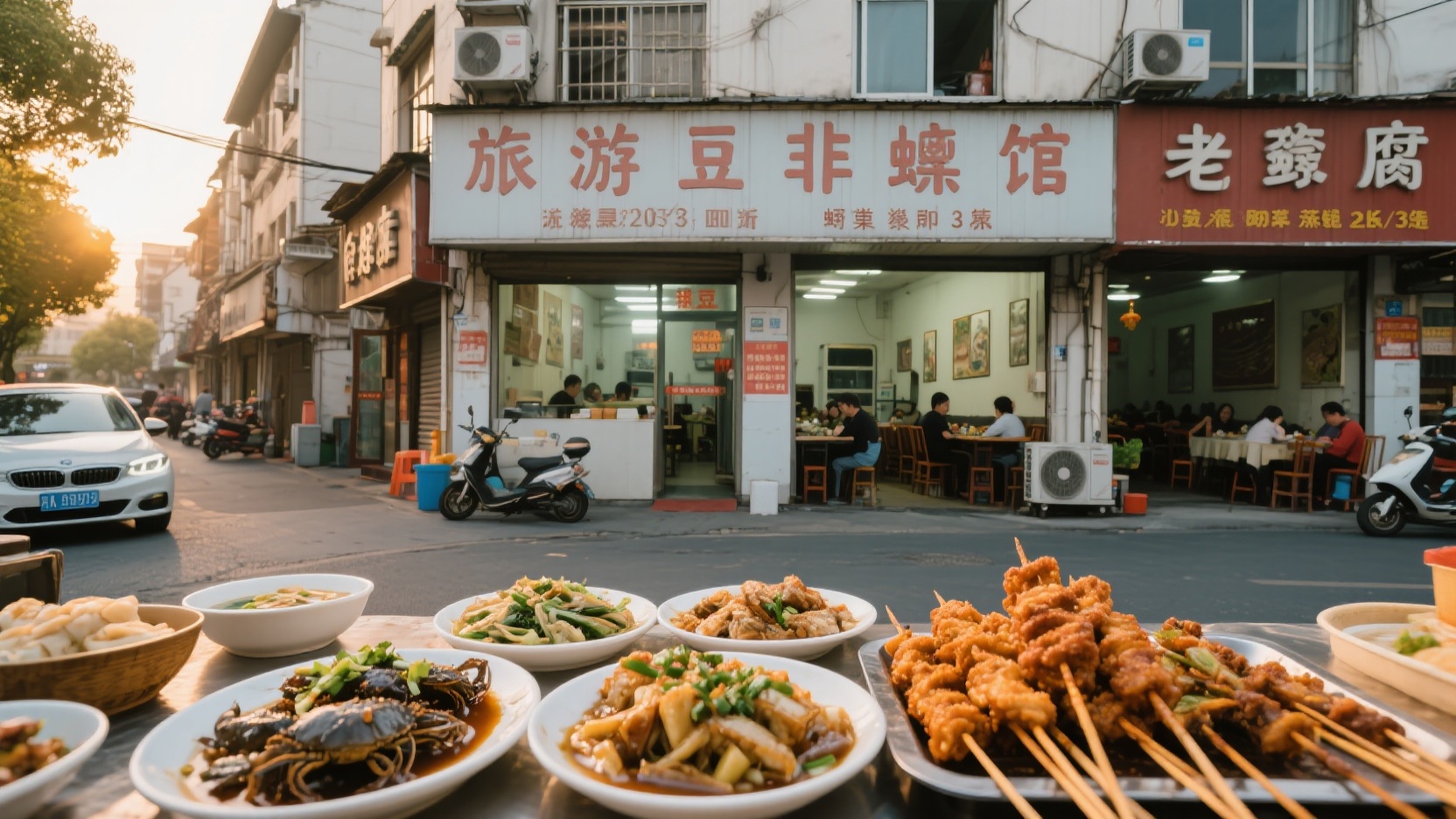
I only dared to write this list after three trips to Zhangjiagang. The first trip involved following a mobile phone ranking list and missing out on half of the great restaurants; the second trip took me to the old communities of Yangshe Town, specifically looking for shops with peeling paint on their storefronts and customers ordering in local dialect; the third trip was to complete the list by following a taxi driver in the port area who has been driving for twenty years, along his late-night food route. The following seven shops don't do any marketing and aren't on the must-eat list, but local gourmets would sit on plastic stools there forever.
The area around the old grain depot in the north of the city | Steamed vegetables and breakfast noodles, better to eat early than late.
The shops in this area still maintain the old work schedule of the former work unit dormitory area, starting to steam at 5:30 in the morning and gradually closing after 10:00 in the morning. The most worthwhile steamed dish restaurant is one whose signboard is obscured by grease and smoke, but you can recognize the bamboo steamers stacked at the entrance. The owner is from Tangqiao, and his family has been making steamed dishes for three generations. There are always more than a dozen old-fashioned cedar steamers on the stove.
How to order: The braised pork belly must have a little bit of cartilage. Ask the owner to share half of the steamed three delicacies. The steamed cured chicken leg is a bit salty, so it's recommended to eat it on top of the rice and vegetables. The rice here comes in plain white rice and rice with vegetables. Regular customers just order "a small bowl of rice and vegetables".
Don't rush to leave after you finish eating. There's a small cart selling oven-baked cakes in front of the shop in the morning. They only make two kinds: sesame candy and shepherd's purse with lard. You can pull out sugar threads when they're hot. The taste will be much worse when they cool down.
Riverside in the port area | Crab tofu and river fish, best enjoyed leisurely outside of mealtimes.
Zhangjiagang is located along the Yangtze River, but most of the restaurants that truly excel at serving river delicacies are hidden in the alleys near the old wharves in the port area. There's one place that even navigation apps often get confused about, with a faded sign that reads "River Delicacies." The main dish isn't large river knife cutters, but rather a local favorite: crab tofu. Crabs are small crabs found on the mudflats along the riverbank. They're crushed, the juice extracted, and then curdled into a tofu-like consistency, with a texture similar to tender tofu but with the wild flavor of fresh river seafood.
How to order: Crab tofu must be served with rice cooked on a traditional earthen stove with crispy rice crust. Pour the soup over the rice crust and press it down before eating. River fish should not be steamed; instead, braise it with pickled mustard greens. The fish are small and have many bones, but they are very flavorful. The owner goes to the dock to pick up the goods at 4 AM every day. Some ingredients are sold out after 2 PM, so it's recommended to go before 11 AM or after 1:30 PM to avoid peak hours.
There's a small shop nearby selling Shazhou Youhuang rice wine, sold in bulk by weight. Many customers grab a pot after their meal. If you don't drink alcohol, you can buy their fermented rice wine; it's less sweet than the supermarket version and not cloying even when eaten plain.
Located next to the peach orchard in Fenghuang Town | A farmhouse kitchen serving only seasonal produce
Fenghuang peaches are famous, but many people don't know that there's a farmhouse next to the peach orchard that only opens around peach season. Tables and chairs are set up under the grape trellis in their own yard, and there's no fixed menu. The owners, a husband and wife, are a peach farmer and a former rural banquet cook, so the dishes always have that smoky, smoky flavor from a wood-fired stove.
How to order: For the poached chicken, specify in advance that you want the free-range chicken from Taoyuan. The dipping sauce is a mixture of soy sauce and a little Shaoxing wine. Stir-fried lichen with chives is only at its tenderest around the time of the Summer Solstice; don't order it after that season. Steamed stinky amaranth stems have a pungent smell, but they're refreshing when paired with plain congee. If you have a small group, ask the owner to make "half a table," reducing the quantity of each dish, so you can try a few different dishes.
After eating, stop by the entrance of Taoyuan. There are often elderly women selling peach gum and free-range eggs from baskets there. After buying the peach gum, soak it and then cook it with white fungus. It's much cleaner than commercially packaged peach gum, but remember to ask how many hours to soak it, as it varies from batch to batch.
The pastry shop behind Yangshe Old Street | Not chasing the trendy "three-piece set"
This pastry shop is located in a narrow alleyway that can only accommodate one electric scooter at a time. There's no display case; all the pastries are covered with a cloth in a steamer before being served. They make only a limited variety each day, closing as soon as they sell out, and often empty their plates before 10 a.m. on weekend mornings. The elderly in the neighborhood eat it for breakfast, but few young people know about it.
What to order: The square cake should be a combination of osmanthus red bean paste and lard with mixed nuts—sweet but not greasy. The green rice dumplings are only available a month before Qingming Festival; they're not made at other times. The scallion pancakes are a hidden afternoon treat; the aroma of scallions wafts through half the alley when they're fresh out of the oven. Don't buy them one per person; regulars usually order two boxes or more. Take them home and steam them for three minutes to bring them back to life.
At the alley entrance, there's a stall selling freshly ground soy milk. The sweet soy milk is made with rock sugar, while the savory soy milk is topped with dried shrimp and fried dough stick crumbs. The two stalls have been neighbors for decades, and many people buy rice cakes and dumplings and then grab a cup of soy milk to eat while sitting on a low stool by the roadside.
The unique flavors of street vendors that only open late at night | Follow the light bulbs
In Zhangjiagang, the best late-night snacks aren't found in shopping malls, but at the intersections of several old residential areas. There's a fried food stall made from an old tricycle, its red light illuminating around 9:30 every night. It has no sign, and regular customers recognize the vehicle. The owner only fries pork tenderloin and lotus root sandwiches, not dozens of other types of skewers. The dipping sauce is a homemade sweet and spicy sauce with a hint of fermented bean curd.
How to order: Two skewers of pork tenderloin, three slices of lotus root stuffed on a skewer. Eat it while it's hot, as the outer coating will soften if left out for too long. There are often several taxis parked next to the stall, and the drivers all know: eat first, then chat, because it won't taste as good once it cools down.
About a five-minute walk from the fried skewers stall, there's a clay pot vermicelli soup stall. The broth is made from chicken bones and simmered from afternoon until late at night, with a handful of local pickled mustard greens and two fried gluten balls added to the clear soup. The broth is at its richest after midnight, but that's also when it's most crowded. If you don't want to wait, go before 10 PM and ask the owner to add an extra half spoonful of broth.
When looking for food in Zhangjiagang, the worst thing you can do is sort by "city popularity." These seven restaurants, some with barely legible signs, others only open seasonally, each hold onto one or two authentic Zhangjiagang flavors. Finally, three tips to avoid pitfalls: First, avoid peak meal times. These places are small and slow to serve, so waiting can be frustrating, especially at steamed dish restaurants and riverside eateries. Second, don't just order the signature dishes. Many hidden ways to eat are to share half portions, ask what's on the stove that day, or add a bowl of rice and vegetables. These are the unspoken understandings of regular customers. Third, remember to bring cash. Many old shop owners, pastry vendors, and night market stall owners don't use QR codes, especially early in the morning and late at night. Carrying some small change will save you the hassle of exchanging cash.