
Avoid the pitfalls of ticket-free travel in Nantong | A local's firsthand experience: a 4-day, free in-depth itinerary – don't be fooled by travel guides!
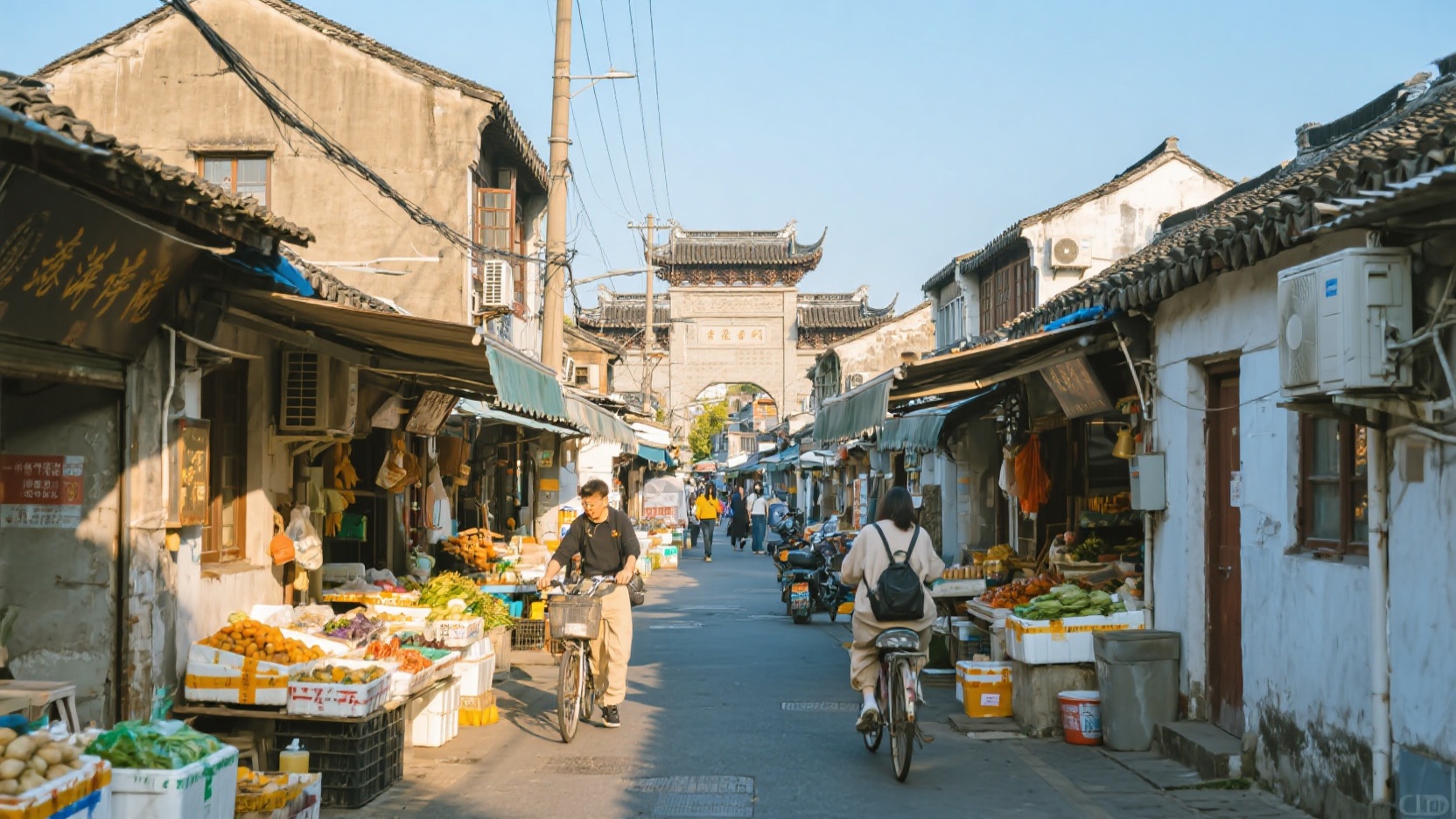
A friend who has lived by the Haohe River for almost ten years sneered when he saw me take out my phone to buy Langshan tickets: "The most worthless money to spend in Nantong is the entrance fee." I didn't agree at the time, but later, after spending four days just taking the bus, cycling, and walking, without visiting a single paid attraction, I realized that what he said was the real Nantong.
This review doesn't recommend any "must-see" attractions that require tickets. The true character of Nantong is hidden in its farmers' markets, university backstreets, old factories in Tangzha, and old town alleyways. Over four days, the biggest expenses were food and public transportation; entrance fees were zero, making this trip more relaxed than previous ones.
Why is Nantong more suitable for "ticket-free tourism"?
Nantong is not a traditional tourist city. Many of the modern industrial heritages left by Zhang Jian and the old residential areas along the Haohe River are open to the public free of charge. The only places that actually charge admission, such as Langshan Mountain, Junshan Mountain, and Siyuan Garden, are visited by locals only twice a year, unless they are going to burn incense or visiting relatives from other places. If you come all the way here to pay the entrance fee, you will only see crowds after climbing the mountain, and you will not see any daily life in Nantong.
More realistically, the best clams, shrimp roe, dumplings, and steamed rice rolls in Nantong are hidden in old residential areas and near farmers' markets. They're not found near tourist attractions, because those places cater to tourists, not repeat locals. Save your entrance fee and you can try five or six more dishes on the street.
Day 1 | Community Market Day: The mornings at Duanping Bridge are worth getting up early for than those at Langshan.
Go to Duanpingqiao Market at 7 a.m. You don't need to buy anything; just looking around is a treat. The roe shrimp, just ripe for late spring and early summer, are piled on crushed ice; clams are purging sand in basins; and mud snails are marinated in Shaoxing wine. Buy a few freshly fried clam cakes to eat as you walk—crispy on the outside, sweet and savory on the inside—an experience that ticketed tourist attractions can't provide.
The area around the market is dotted with snack stalls, selling dumplings, steamed buns, and straw sandals by the piece; you can eat your fill for just over ten yuan per person. I usually buy a shrimp roe noodle dish first, then go to the stall across the street to get some cooked food, and sit by the roadside watching the flow of people buying groceries. There's no touristy chatter in that lively atmosphere; it's all the local Nantong dialect haggling.
No need for plans in the afternoon. Walk north along Duanping Bridge to Haier Lane; the sycamore trees in the old residential area are more pleasant than the scenic gardens. Find a small shop with a fryer at the entrance and order some fried pork rinds and smoked fish to eat with porridge at your accommodation in the evening. The entrance fee is free, and your stomach and eyes will be full of enjoyment.
Day Two | University Surroundings Day: Prices on the back street of Nantong University are the real testament to student realities.
Take the bus to Nantong University's Siyuan Campus. Don't go through the main gate; turn directly into the alley opposite the West Gate and the Holland Street area. The shops here change frequently, but the stalls that have long queues of students are generally good. Egg pancakes, fried skewers, and sweet soups all cost only about ten yuan, making them more sustainable than chain stores in shopping districts.
At lunchtime, I followed the students in their school uniforms and slippers, going into whichever shop they went into. I tried a place that made crepes; the crepes were freshly rolled out, and the filling of crisp lotus root and braised meat was generous. The owner charged the same price for students and working professionals alike, without the touristy price fluctuations. This was the most reassuring place around the university.
In the evening, you can cycle along the sycamore-lined avenue of Sik Yuen Road, with the breeze blowing from the direction of the Haohe River. You can also stroll to the Holland Street Night Market and watch student couples and people just finishing their evening classes. No one cares if you're a tourist; you can just wander around like a local young person, buying a dessert and enjoying a leisurely stroll.
Day 3 | Old Industrial Area Renovation Day: Tangzha is not an ancient town, but a living factory area left behind by Zhang Jian.
Many people recommend Tangzha as a "niche ancient town," but its most interesting features are not the imitation ancient streets, but the traces of the old textile factories, old wharves, and workers' living quarters after their renovation. Take a bus to Tangzha and first visit the 1895 Cultural and Creative Industrial Park. The old workshops, chimneys, and clock tower are still there, and many areas are open to the public free of charge.
The Xishi Street area retains many old residences and small shops, and you can smell the aroma of coal stoves and old wood as you walk in. There aren't the ubiquitous Yiwu small commodities shops here; the few cafes and workshops that do exist are quiet and peaceful. If you don't buy anything, you can take photos at the entrance and admire the old buildings without anyone bothering you.
Have lunch at Tangzha with a bowl of beef noodles or offal soup. Locals drive there themselves to eat this beef. The broth is clear, the meat is tender, and the price is typical of old industrial areas. After lunch, walk along the river to the former site of the Dada Inland River Shipping Company. The old dock's stone steps extend into the water, giving it a more historical feel than many other paid ancient towns.
Day 4 | Old Town Alleyway Day: Temple Street, Southwest Camp, and the Haohe River Trail – just wander wherever you feel like.
The last day was dedicated to the old town. Turning from South Street into Temple Street, the road narrowed, and moss grew at the base of the old houses. The stinky tofu stall on Temple Street wasn't big, but it was fried to a crispy exterior and tender interior, a local favorite since childhood. Continuing towards Southwest Camp, the alleys became quieter, with the occasional open wooden door revealing clothes drying in the courtyard.
Don't rely on maps to find "attractions"; the fun of the old town's alleyways lies in getting lost. Wander out from Guandi Street and Huiminfang, then ride a shared bike along the Haohe River promenade. The Haohe River loop is free; just see the exterior of Wenfeng Pagoda and Tianning Temple—going inside will feel cramped.
Lunch can be had in the old neighborhood behind South Street. Shrimp roe pancakes and osmanthus cakes can be bought individually, along with a bowl of wontons. After eating, sit by the river, enjoy the breeze, and watch the local elderly play chess. This day, I barely took the bus, walking and cycling the whole way, and my expenses were almost entirely for food.
In conclusion: 6 tips for the easiest way to travel alone
1. Choose accommodation near the outer ring of the Haohe River or Duanping Bridge. You can easily access public transportation and shared bicycles. It is cheaper than staying near the scenic area and it is also easier to get local breakfasts.
Second, go to the market early; the freshest food is between 7 and 9 a.m., and many cooked foods will be taken away after 10 a.m. Don't carry a big bag; bring a foldable cloth bag so your hands are free to eat.
3. Try to visit Tangzha during the weekdays. The market is crowded on weekends, but the old factory atmosphere will be diluted. The lighting in the old workshops is best for taking photos after 3 pm.
Fourth, don't blindly trust review apps around universities. Look for the stalls with the longest student queues; the taste and price have been voted on by generations of students.
5. When eating alone, don't order large dishes. Buy clam cakes, dumplings, straw sandal soles, and shrimp roe sesame cakes individually. Small portions and a variety of dishes will allow you to eat a wide range of foods.
6. Wear old shoes. There are many stone slabs and broken bricks in the old town alleys. Temple Street is prone to water accumulation on rainy days. Remember to bring mosquito repellent in the summer.