
Nantong Food Review | Decoding the Flavors of the River and Sea, Savoring Authentic Local Cuisine
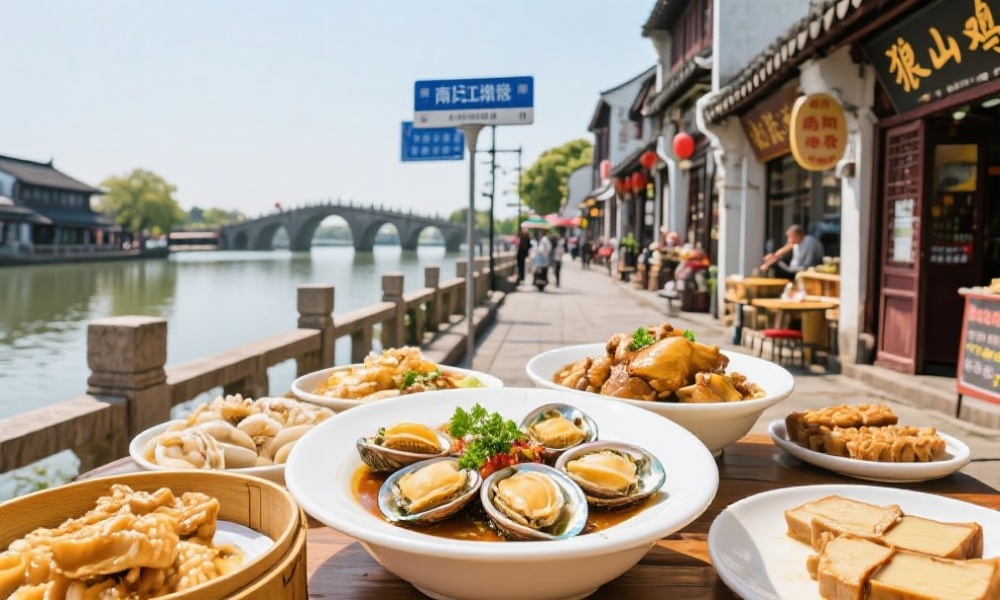
Nantong, a city situated at the confluence of the Yangtze River and the sea, boasts abundant natural resources thanks to its unique geographical location, which has also shaped its distinctive culinary culture. River delicacies and seafood blend here, creating a complex flavor profile that combines saltiness and freshness with a delicate elegance. For travelers seeking authentic cuisine, Nantong's dining table is the most direct window into understanding this city.
Must-try signature dishes list
Nantong's cuisine is renowned for the freshness of its ingredients and its emphasis on preserving the natural flavors of the ingredients. Here are a few representative dishes that you shouldn't miss:
- Clams: As a local specialty of Nantong, clams are renowned for their tender meat and delicious flavor. Steamed clams are the best way to enjoy their original taste; the broth is clear, the clam meat is plump, melts in your mouth, and has a sweet aftertaste. In addition, clam cakes and steamed eggs with clams are also unique, showcasing the diverse uses of clams in local cuisine.
- Langshan Chicken: A local chicken breed unique to Nantong, known for its large size, firm meat, and rich nutrition. Boiled Langshan Chicken is the benchmark for its quality; its skin is golden, the meat is white, and when dipped in a special sauce, it has a chewy texture and a rich chicken flavor. Braising and stewing are also common cooking methods, which fully release its mellow flavor.
- Haimen goat meat: Due to its unique breeding environment, Haimen goats have tender meat with a very mild gamey flavor and high nutritional value. Braised goat meat is a classic local dish, with a bright red color, tender yet firm texture, and a rich sauce. It's an excellent choice to serve with rice or noodles. The goat meat soup is light, nourishing, and retains its original flavor.
- Baipu dried tea: A traditional delicacy from Baipu Town, Rugao, with a long history. Its production process is complex, and the finished product is reddish-brown in color, delicate in texture, and elastic. It has a salty, savory, and slightly sweet taste with a rich bean aroma. It can be enjoyed as a snack or as a side dish, especially suitable for pairing with white porridge or as an appetizer with alcohol.
- Rugao Dongtang: A traditional pastry from Rugao, made by hand using maltose, sesame seeds, peanuts, and other ingredients as the main ingredients. It is characterized by its distinct layers, crisp texture, sweet but not cloying taste, and the interplay of sesame and peanut aromas, making it an excellent gift for relatives and friends.
- Peach-stuffed sesame cake: Another specialty snack from Rugao, made with refined white glutinous rice flour, black sesame seeds, walnuts, and other ingredients. The cake is soft and fluffy, with a rich sesame aroma, and the addition of walnuts adds a nutty richness and layers of texture.
- The Three Delicacies of the Yangtze River (knife fish, shad, and pufferfish): Although rare due to seasonality and conservation policies, these top-quality ingredients from the lower reaches of the Yangtze River hold an important place in Nantong's culinary culture. If one has the opportunity to taste them legally and compliantly, their exquisite freshness will be an unforgettable experience.
Local favorites for food
To truly experience the authentic local cuisine of Nantong, it's key to avoid tourist hotspots and immerse yourself in the local lifestyle. Here are some areas frequently visited by locals for dining:
- Wenfeng Road and the area around Wenfeng Pagoda: This area is part of Nantong's old city and is home to many long-established snack shops and restaurants. From steamed buns and fried dough sticks for breakfast, to stir-fries and noodles for lunch, and specialty stir-fries for dinner, you can find authentic Nantong flavors. The shops here are often small, but the food is delicious and the prices are affordable.
- The streets and alleys surrounding the Haohe Scenic Area: The Haohe River is Nantong's city icon, but most restaurants within the scenic area cater to tourists. Hidden in the side streets and alleys surrounding the Haohe River are many long-established shops frequented by locals, such as noodle shops, wonton stalls, and home-style restaurants that have been in business for many years. These places typically lack fancy decor but offer the most authentic Nantong flavors.
- Chenghuang Temple Food Street (outside the scenic area): The Chenghuang Temple area in Nantong has historically been a bustling commercial hub. Although it has undergone renovations, some traditional snack stalls and time-honored shops still remain in the surrounding area. Here you can find local specialties such as Rugao sesame seed cakes and Haimen pastries, experiencing the atmosphere of old Nantong life.
- Tangzha Ancient Town: As one of the birthplaces of modern industrial civilization in China, Tangzha Ancient Town not only boasts unique historical architecture but also preserves some distinctive local cuisine. Here, you can try some traditional handmade snacks and home-style dishes, experiencing the slow pace of life in this ancient town.
Tips for avoiding overpriced and overpriced shops and tourist attractions
When looking for food in Nantong, just like in any popular tourist city, one needs to be wary of the potential gap between the experience and the actual dining experience caused by the "internet celebrity effect" and "scenic spot premium".
- Identifying Trendy Restaurants: Not all trendy restaurants are worth trying. Truly authentic local cuisine is often hidden in small shops with simple storefronts and unassuming decor. Criteria for judging this include: whether the restaurant has a large number of local diners, especially during peak hours; whether the menu focuses on a few signature dishes rather than trying to offer everything; and whether there are positive recommendations from local residents. Be wary of shops that overemphasize photo opportunities and elaborately presented dishes but have inflated prices.
- Avoid tourist trap pricing: Restaurants inside or near the entrances of major scenic areas in Nantong (such as Langshan Scenic Area and the core area of Haohe Scenic Area) often have higher prices than the market rate, and the taste may not be the best. It is recommended to walk to residential areas or commercial districts a little further from the scenic areas (500 meters to 1 kilometer) to find restaurants frequented by locals. These places not only have reasonable prices but also offer authentic local cuisine.
- Leveraging local resources: Actively seeking recommendations from locals is an effective way to obtain information on authentic local cuisine. Taxi drivers, hotel receptionists, and street shop owners are often very knowledgeable about local restaurants. Additionally, check local service platforms (such as Dianping), focusing on reviews mentioning "recommended by locals," "established brands," and "authentic taste," while filtering out reviews that are clearly for marketing purposes.
- Pay attention to the freshness of ingredients: Especially when enjoying seafood and river fish, the freshness of the ingredients is the key to determining the taste. Observing whether the seafood tanks in the store are clear and whether the ingredients are active are intuitive ways to judge their freshness.
Nantong's cuisine is a fusion of the bounty of the river and the sea with its rich cultural heritage. Slow down, savor the vibrant atmosphere of this city with your taste buds, and you'll truly appreciate the essence of Nantong.