
Five days in Nanjing without getting tired: Elevator-friendly leisurely tour routes tested by parents (a list of pitfalls to avoid for seniors)
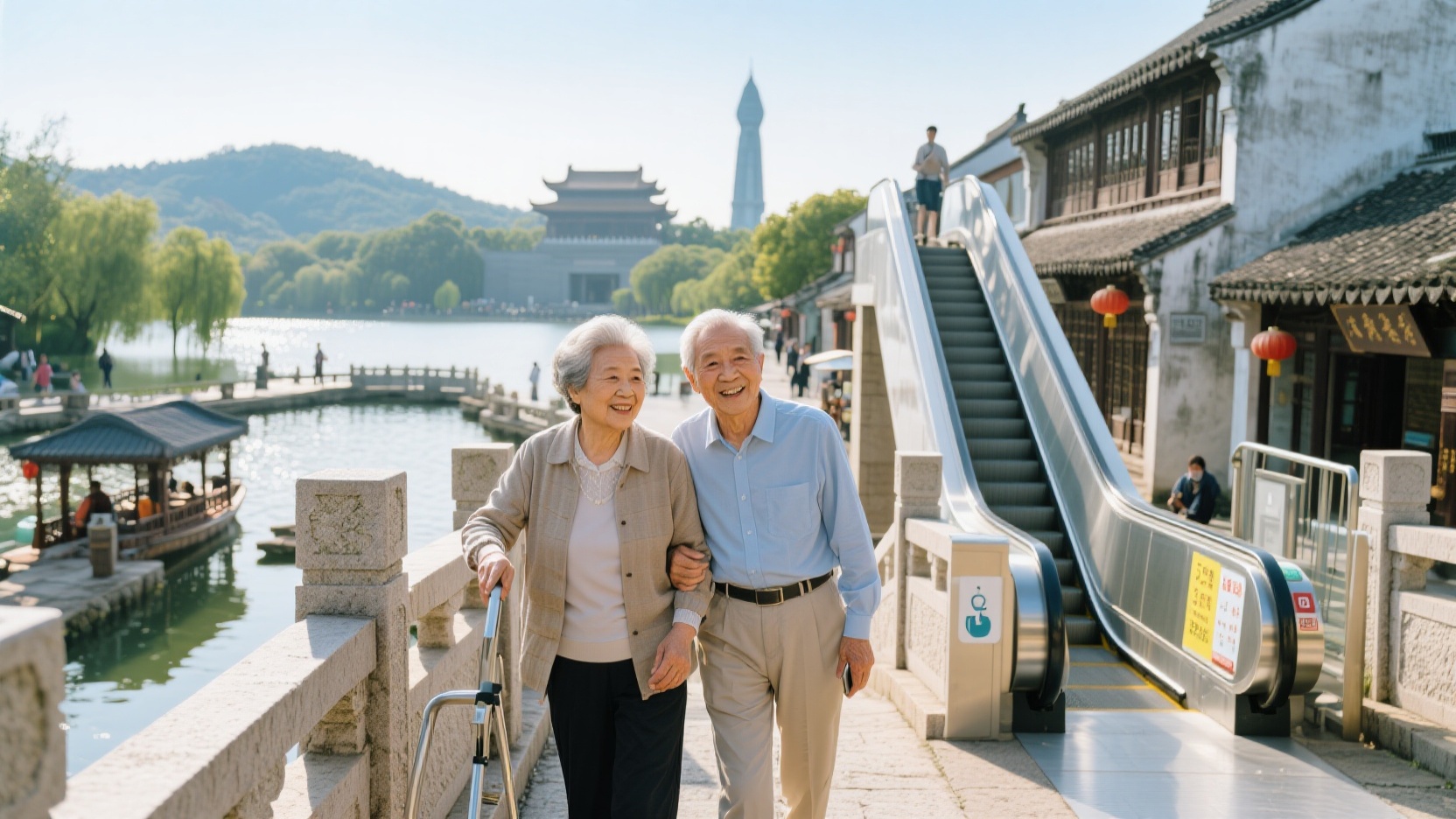
Adding Nanjing to my list of trips with my parents was a mistake I made initially: too many travel guides bundled Sun Yat-sen Mausoleum, Ming Xiaoling Mausoleum, and the Presidential Palace into a single day. While this might be manageable for younger people, older people would likely need three days of rest for their knees and backs. This time, I spent four nights in Nanjing with my 72-year-old mother and 75-year-old father, adhering only to the principles of "not tiring on the legs, with elevators, and easy return to the hotel." The following five-day, four-night leisurely itinerary is suitable for parents with average mobility who still want to see the world.
Living and traveling: Elevators, handrails, and hospital radius should be prioritized.
When traveling with my parents in Nanjing, I wouldn't choose an old villa or a trendy apartment near scenic spots. Instead, I'd look for a mid-range chain hotel near the interchange station of Metro Lines 1 and 2. I only consider three things: elevators from the lobby to the room, non-slip mats and handrails next to the toilet in the bathroom, and a 15-minute drive from a major tertiary hospital. We stayed near Daxinggong, which is convenient for visiting Gulou Hospital and Nanjing First Hospital, easing our children's anxieties.
In terms of schedule, leave home after 9 a.m. to avoid the morning rush hour; return to the hotel before 2 p.m. for a 2-hour nap, then leave again at 4:30 p.m. The hotel entrance should have a gentle ramp or elevator for easy access for wheelchairs and luggage. Autumn and early winter in Nanjing are the most suitable seasons, neither too cold nor too hot, while in summer, the nap should be extended to 3 hours.
Days 1-2: Indoor pavilions and lakeside area, walking no more than 3,000 steps.
On our first day of arrival, we did only two things: check in and take a walk within a kilometer of the hotel after a midday rest. Since the elderly were new to the city, they should first adjust to the temperature and road conditions before heading straight to tourist attractions.
On the morning of the second day, we went to the Nanjing Museum, having made a reservation in advance. The museum's history section has a complete elevator network, and each floor has numerous clean restrooms. Wheelchairs are available for rent, and there are plenty of benches for resting. My parents walked approximately 2500 steps throughout the visit. Afterwards, we had a light meal inside the museum and returned to the hotel for a nap. In the afternoon, we went to Xuanwu Lake Park, entering through Xuanwu Gate and taking a sightseeing bus around the lake. Restrooms are plentiful, and the flat paths along the lake are suitable for leisurely walks, but we didn't climb the city walls. The Nanjing Museum is about a 10-minute drive from the Eastern Theater Command General Hospital, and Xuanwu Lake is also close to Gulou Hospital.
Day 3: Choose one of two options: soak in the hot springs of Tangshan or relax in the old streets of Gaochun.
On the third day, we'll give you two options: if your elderly family members like water, choose Tangshan Hot Springs; if they prefer a more lively atmosphere, choose Gaochun Old Street. Don't try to visit both.
Option A: Tangshan Hot Springs. It is recommended to hire a car for round-trip transportation. Choose a hot spring with indoor pools, underfloor heating, non-slip changing areas, and lounge chairs; avoid outdoor pools with many steps. Limit each soak to 20 minutes. After soaking, rest on a lounge chair, and in the afternoon, take a leisurely walk on the surrounding flat areas. The Tangshan Community Health Service Center is approximately a 10-minute drive from here.
Option B, Gaochun Old Street, is suitable for parents who enjoy browsing old shops. The cobblestone streets can be slippery when wet, so non-slip shoes are essential. Stop at a teahouse or snack shop every 20 minutes. Restrooms are mostly located in the middle of the main street and near the exits. Gaochun District People's Hospital is about a 15-minute drive away. No night market is planned for the evening; return to the hotel, soak your feet, and go to bed early.
Days 4-5: Bao'en Temple, Laomendong and the Stone Elephant Road of Ming Xiaoling Mausoleum
On the morning of the 4th day, we visited the Great Bao'en Temple Relics Park. The indoor exhibition halls had excellent elevator coverage, smooth accessible pathways, ample air conditioning, and plenty of benches, making it very knee-friendly. When the elevators inside the tower are open, take priority; there's no need to insist on climbing higher. After lunch, we went to Laomendong, only walking along the main street to avoid the weekend evening crowds. The blue brick pavement is mostly flat, but there are many thresholds in the side alleys, so be careful where you're going. There are many toilets along the street; use them whenever you see one.
On the morning of day 5, visit the Stone Elephant Road at Ming Xiaoling Mausoleum. Take an electric cart directly from the scenic area entrance; the path is flat and easy to walk, without climbing the treasure mound. If your parents are not in good physical condition, they can walk only the Stone Elephant Road and the Red Gate, which is approximately 4000 steps in total. There is a medical clinic nearby, and the Eastern Theater Command General Hospital is within a 15-minute drive. After lunch, check out of the hotel and allow ample time to go to the high-speed rail station.
The blogger concludes: Slow travel in Nanjing relies on the ability to "escape at any time".
Over these 5 days, we only visited 3.5 core locations plus 1 optional location, but my parents were in better condition than ever before. Nanjing is relatively friendly to senior citizens compared to other second-tier cities, provided that elevator coverage, accessible pathways, toilet density, walking distance, and hospital distance are prioritized when planning your photos. The following checklist is recommended to be checked item by item before departure.
20 Items for Packing for Seniors When Going Out: 1. Two pairs of non-slip, soft-soled shoes for changing; 2. Folding cane or hiking poles; 3. Knee and back supports; 4. Thin, warm vest; 5. Sun hat and sunglasses; 6. Lightweight insulated cup; 7. Seven-day refill pillbox; 8. Portable blood pressure monitor; 9. Emergency contact card and senior's mobile phone; 10. ID card, medical insurance card, and medical record summary; 11. Folding cushion or small stool; 12. Folding umbrella and lightweight raincoat; 13. Disinfecting wipes and tissues; 14. Disposable toilet seat covers; 15. Non-slip slippers; 16. Reading glasses and hearing aid batteries; 17. Sugar-free biscuits and snacks; 18. Lightweight wheelchair or rental plan instructions; 19. Eye mask and earplugs for naps; 20. Food storage bags and laundry soap.
Five categories of commonly used medications to remind you: Category 1: Cardiovascular medications, such as antihypertensive drugs and nitroglycerin, must be carried with you, and your doctor should explain the usage instructions. Category 2: Diabetes medications, such as insulin, oral medications, and glucose tablets or candy, should be stored separately. Category 3: Gastrointestinal medications, such as montmorillonite powder, probiotics, and stomach medicine, are needed to prevent water and soil acclimatization problems. Category 4: Cold and fever reducers and pain relievers, also bring a thermometer. Category 5: External medications, such as band-aids, iodine swabs, pain relief ointment, and mosquito repellent and anti-itch lotion, should be used to treat small wounds promptly.