
These 8 restaurants in Nanchang | A local must-visit list compiled after three trips (not the trendy ones, off-peak and avoidance version)
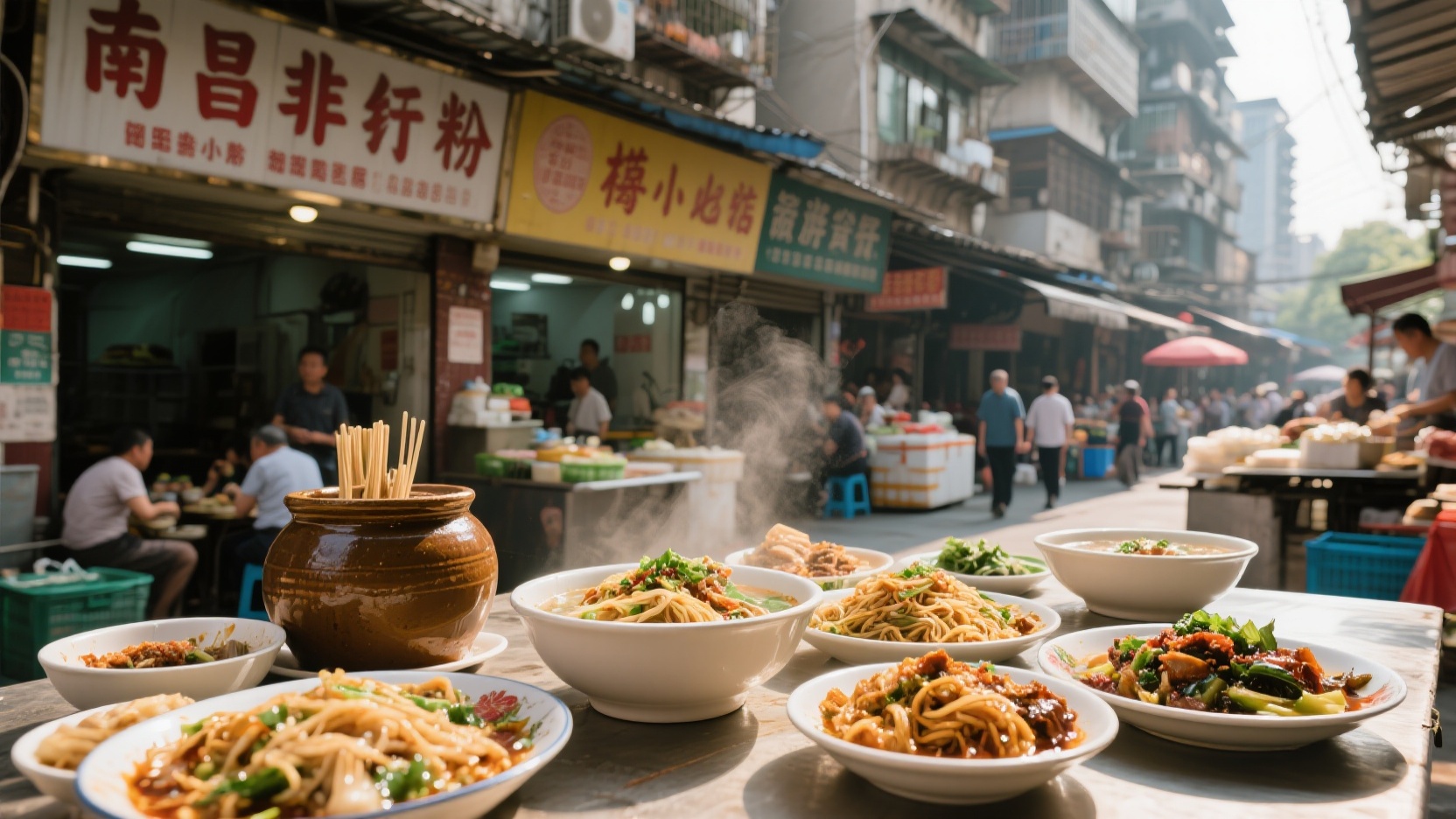
To find this list of Nanchang's hidden gems, I made three trips: the first time, I went during peak meal times, only to be squeezed against the wall by locals at several established restaurants; the second time, I learned my lesson and wandered through the streets and alleys during off-peak hours, specifically looking for stalls still steaming hot at 3 pm; the third time, I revisited the small shops I'd be willing to eat at again. None of these eight places are on the must-eat list, and there are no internet celebrities holding up their phones to queue up; they are simply the everyday scenes of local gourmets slurping noodles and adding soup.
The mixed rice noodles and clay pot soup sold downstairs in the residential buildings are a taste of old Nanchang.
The biggest mistake on my first scouting trip was rushing to popular areas during rush hour. Later, I found a rice noodle shop in the old town, its signboard faded and worn. The owner only worked from morning until noon, and the rice noodles were cooked to perfection. After mixing, each noodle was coated with pickled radish, peanuts, and chili oil, making it incredibly fragrant. The order is crucial: don't just order the vegetarian rice noodles; always add a side of beef intestines or tripe, along with a bowl of soup. If the owner asks if you want the noodles firm or soft, choose the firmer option; it will have a better chewy texture after mixing. You can also buy some braised tofu or duck wings from the braised food stall near the nearby market for a nice afternoon snack.
Not far from the rice noodle shop, on the first floor of a residential building, there's a small charcoal-fired clay pot soup shop. The soup pots are neatly stacked at the entrance, simmering from morning until noon, the broth clear and not cloudy. Cuttlefish and pork tripe soup and preserved egg and meatloaf soup are the two most popular choices among locals, but I highly recommend the longan and meatloaf soup on a cold day. The meatloaf is firm and not dry, and the broth is sweet and smooth. When drinking the soup, don't stir it immediately; first take a sip of the original broth, then ask the owner to add a spoonful of the broth from the bottom of the pot. Along the way, you can buy hot rice cakes at the alley entrance, which are much rarer than the white sugar cakes found near many tourist attractions, and have a very strong rice aroma.
Boiled dishes and thick soups next to the market are the locals' late-night eateries.
Nanchang-style boiled hot pot is completely different from regular mala tang. The broth has a savory, braised flavor, and the ingredients are cooked in it until they absorb the flavors. My go-to spot is in a back alley of the market; they only set up long tables in the evening, where people coming home from their night shifts gather around. For your first bowl, I recommend lotus root balls, pork feet, and bean curd sausage. The lotus root balls are handmade daily by the owner, giving them a satisfyingly grainy texture. For your second bowl, order some sesame balls or spring rolls; soaked in the broth, they're even more delicious than meat. The minced garlic and chili sauce is the soul of the dish—don't skip it! You can also grab a cup of sugarcane juice or mung bean soup from the fruit stand next door; it's perfect for cooling down after the spiciness.
If you go early in the evening, you can find stalls selling "hu geng" (a type of thick soup) nearby. Hu geng is a very traditional way of eating in Nanchang. It's thickened with sweet potato starch and contains tofu puffs, carrots, mushrooms, and minced meat. It looks unassuming, but it's smooth, creamy, and warm. The stall owner will ask if you want it spicy; we recommend slightly spicy and adding a spoonful of dried radish for extra crunch. Paired with a freshly fried dough stick or white sugar cake, it's a common after-school or after-get off work meal for many locals. The streetlights in this alley are dim, so remember to use your phone to light your way and also note down the stall's location for easier finding next time.
Hidden menu items at Jiangxi cuisine restaurants – don't just focus on the signature dishes.
Nanchang has some delicious Jiangxi cuisine restaurants, often located in old-fashioned two-bedroom apartments. The menus are written on small blackboards, and the owner is both the chef and the waiter. The one I visited most often features stir-fried water chestnut with cured pork and smoked bamboo shoots from Jinggang Mountain, but the real secret is to ask, "What's fresh today?" The owner might bring you a plate of braised small mandarin fish not on the menu, or stir-fried pork belly with pickled cabbage. Stir-fried water chestnut with cured pork is most tender in spring; if you miss spring, try stir-fried water celery with cured pork – equally refreshing. It costs a few dozen yuan per person, and the portions are typical of Nanchang, so I recommend going with two or three people to avoid ordering too much. You can also get a takeaway of braised duck wings and lotus root from the delicatessen next door to enjoy with tea at the hotel in the evening.
Another more hidden gem is a private kitchen tucked away on the ground floor of an older residential complex. Many dishes sell out quickly if you don't tell the owner beforehand. The braised chicken feet are a must-order; they're stewed until the meat falls off the bone with a gentle touch, and the broth is rich and flavorful. Be sure to have a bowl of rice noodles or rice with them to finish off the broth. The braised beef brisket with taro is equally outstanding. The taro, soaked in the meat broth, is even more sought-after than the beef brisket. You can ask the owner to add a side of fried dough sticks to soak up the broth. There's practically no service at this place; you get your own bowls and chopsticks, but the taste makes it worthwhile. Near the entrance of the complex, there's a traditional Nanchang-style pastry shop where you can pick up some peach shortbread or frozen rice candy—much more interesting as souvenirs than packaged foods from the mall.
Charcoal-colored eggs from morning till night: sesame seed cakes, white sugar cakes, and beef offal.
In Nanchang, don't just focus on rice noodles when it comes to carbohydrate-rich snacks. There's a charcoal oven-baked sesame seed cake stall that only opens in the afternoon, selling only scallion pancakes and white sugar pancakes. The scallion pancakes should be eaten while they're hot—crispy on the outside, soft on the inside, with slightly charred edges. The white sugar pancakes have runny syrup inside, so you have to eat them in small bites to avoid burning yourself. The owner bakes only a small batch at a time and closes up shop once they're sold out, so you often end up empty-handed if you go late. You can also buy tofu pudding or soy milk from the nearby snack shop along the way; they have both sweet and savory options, which go very well with the sesame seed cakes.
Near the school, at the alley entrance, there's a beef offal stall that's busiest after school. Beef offal skewers and braised pork heart and lung skewers are brushed with garlic sauce and chili sauce; eating them on the go brings back memories of student days. I highly recommend ordering a small bowl of radish and beef offal; the radish is stewed until translucent and more flavorful than the meat, and you can ask the owner to add an extra spoonful of broth. The nearby convenience store sells old-fashioned ice packs or mung bean popsicles—perfect for a refreshing bite after a spicy meal, very Nanchang.
Summary and Avoidance Checklist after Three Site Visits
Many people ask why it's better to avoid these restaurants during peak hours. The reason is simple: these small neighborhood eateries have limited ingredients, and with so many people around during peak hours, the food preparation process can become chaotic, especially for noodle dishes, where the soup and noodles won't be at their optimal state. Going during off-peak hours allows you to eat at your own pace and chat with the owner, often discovering options not on the menu.
First rule to avoid pitfalls: Don't go during peak meal times. Especially for stalls selling mixed rice noodles, clay pot soup, and boiled dishes, it's actually more relaxed after mealtimes, and the ingredients are still cooking. Second rule: Don't just order the signature dishes. Many hidden culinary delights are found in the owner's daily purchases; asking "What's fresh today?" is more reliable than staring at the signboard. Third rule: Remember to bring cash. Many of these old alleyway stalls and areas around the market only accept cash or have poor signal, so carrying a few dozen yuan in change will save you trouble. There's no standard answer to finding hidden gem restaurants in Nanchang. After these three visits, my biggest takeaway is: leave the queues, venture into the residential areas, and the real flavors begin.