
These 7 seasonal flavors from Hong Kong | A list of seasonal delicacies you'll have to wait a year to try before you miss them (Blogger's personally tested and recommended version to avoid pitfalls)
At the Sai Wan Market on Hong Kong Island, an elderly woman selling dried goods noticed me staring blankly at Smilax glabra (a type of orchid) and suddenly said, "Today is the Awakening of Insects, go back and make a bowl of soup to dispel dampness." It was then that I realized Hong Kong's flavors don't rotate according to a menu, but rather follow the solar terms and lunar festivals. Over the past two years, I've made four special trips to Hong Kong specifically for a truly seasonal meal, only to be disappointed twice. This list doesn't chase after trendy restaurants; it only records limited-time flavors that you'll have to wait another year to experience.
Spring – From the Awakening of Insects to the Pure Brightness: Dampness-Dispelling Soup and Pure Brightness Shrimp – The Secret to Freshness During the Humid Season
The most dreaded time of spring in Hong Kong is the humid, muggy weather, where the air feels so damp you could wring water out of it. Between the Awakening of Insects and the Qingming Festival, almost every local housewife makes "Awakening of Insects Dampness-Dispelling Soup," with ingredients varying: Smilax glabra, red beans, winter melon, and jujubes. For a more refined experience, fresh duck gizzards or pork pancreas are added. This soup is only truly delicious at this time of year; a sip of its slightly bitter yet sweet flavor is more refreshing than air conditioning when feeling stuffy and humid.
The "Qingming Prawns" caught in the brackish waters of Lau Fau Shan and Deep Bay are almost all coming to an end at the same time. They have thin shells, tender meat, and female prawns are full of roe. After Qingming, the shells harden and the freshness dissipates. The local way to eat them is to blanch them and then dip them in chili soy sauce. Gourmets suck the roe from the prawn heads before peeling them. If someone takes them to make tomato-sauce prawn rolls, they are probably not a local.
Summer – From Summer Solstice to Great Heat: Night-blooming jasmine and winter melon soup with lychee mushrooms, a secret code for cooling off in the humid heat.
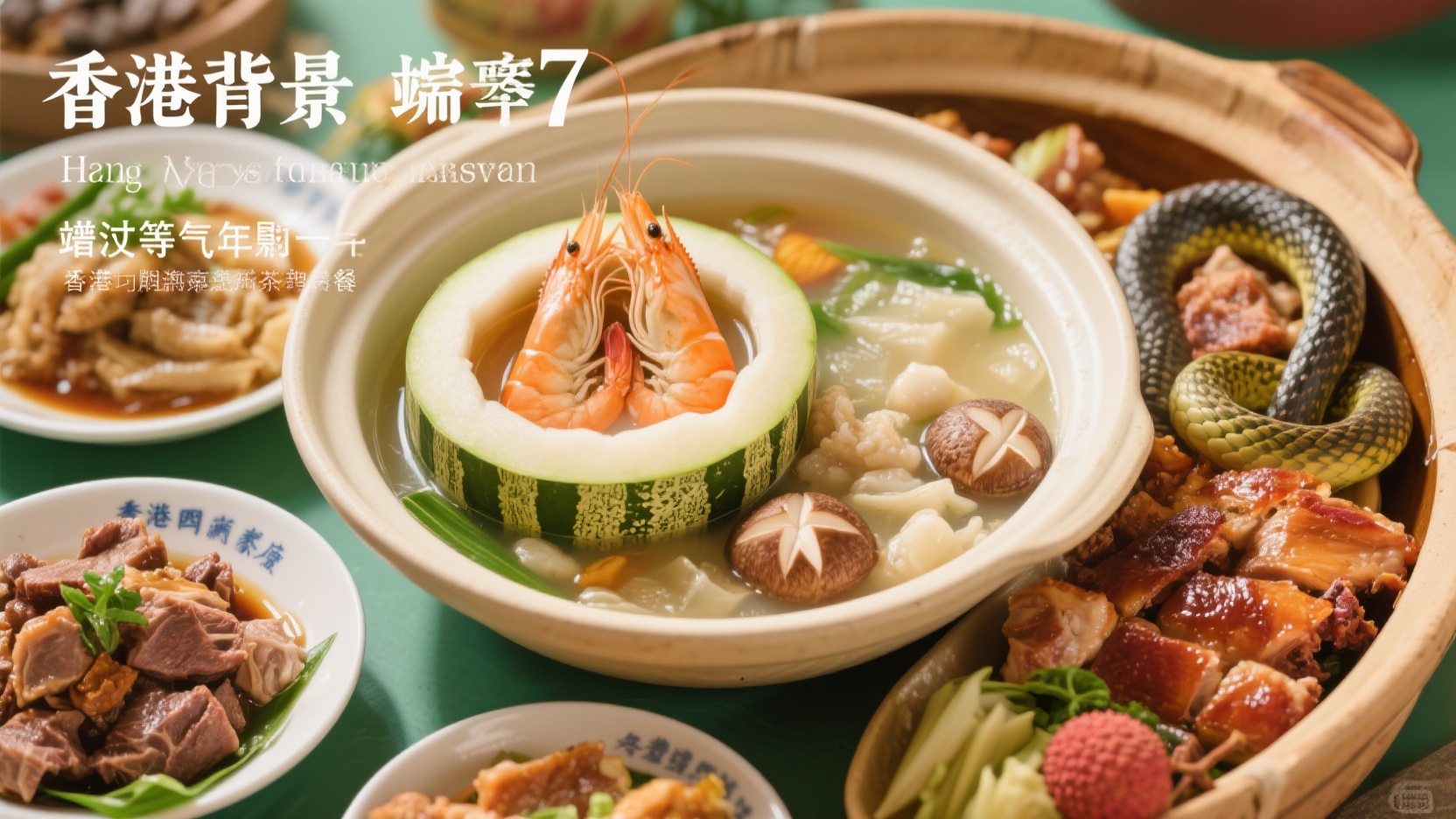
Hong Kong summers are hot and humid, and old-fashioned restaurants display "Winter Melon Soup" around the summer solstice. A whole winter melon is hollowed out, filled with diced roast duck, dried scallops, shrimp, and night-blooming jasmine, and then steamed until the melon flesh is translucent. Night-blooming jasmine is a climbing vine that only releases its fragrance on summer nights and is hard to find after the Great Heat (the hottest period of summer). Locals smell it before drinking, and don't rush to stir it.
The "Lychee Mushroom," a summer-limited delicacy, is a secret code at the New Territories Farmers Market. It only appears for about ten days before and after the lychee ripens, with a grayish-white stem and a sweet, mushroomy aroma. It's delicious cooked with lean pork slices or fried with an egg. The first time I went, I arrived a week early, and the stall owner dismissed me with a "not enough time yet." If I missed it, I'd have to wait until next year.
Autumn - From the Autumn Equinox to Frost's Descent: Snake soup and cured meats, the north wind brings out the wok's aroma.
Hong Kong people say, "When the autumn wind blows, the snakes get fat." After the autumnal equinox, when the north wind arrives, the old-fashioned snake soup shops truly come alive. The snake soup broth is clear yet gelatinous, with fine snake strands, garnished with lemon leaf shreds, crispy fried dough, and topped with white chrysanthemum petals. Locals don't crave spiciness; they enjoy the refreshing and warming sensation after eating the soup. The shops also sell it in the summer, but connoisseurs say it's only when the north wind blows that the snakes become truly plump and flavorful.
The same northerly wind also heralds the arrival of preserved meats. Hong Kong's local sausages are marinated in rose liqueur and light soy sauce, and must be dried in the shade on dry, windy days to achieve a crisp casing and a glossy sheen of fat. From the autumnal equinox to the winter solstice, established shops display their finest local soy sauce sausages prominently. The most authentic way is to bake them on top of glutinous rice or claypot rice, the crispy rice mingling with the rich aroma of the preserved meat.
Winter Solstice to Spring Begins: Lamb Stew and Village Poon Choi, Warming Ritual in the Cold Air
As temperatures drop around the winter solstice, the "Lamb and Bamboo Shoot Stew" at the food stalls makes its timely appearance. The lamb, skin and all, is braised until tender in fermented bean curd, chu hou sauce, and other seasonings, then served with fried bamboo shoots, water chestnuts, and winter bamboo shoots. The aroma of the stew fills the entire street as soon as the stove heats up. Locals eat it in two rounds: first the lamb and bamboo shoots, then adding lettuce to soak up the sauce. If the weather isn't cold enough, they find the stew "not satisfying enough."
Between the winter solstice and the Lunar New Year, the "Poon Choi" (a traditional Cantonese dish) truly comes into play in the walled villages of the New Territories. It's incredibly layered: the bottom layer consists of radish, pork skin, and squid soaking up the sauce; the middle layer is braised pork with fermented bean curd, boiled chicken, and stewed shiitake mushrooms; the top layer is shrimp, roast duck, or abalone and fish maw. The proper way to eat it is never to rummage through it as soon as it's served, but rather to eat it layer by layer from top to bottom, allowing the meat juices to slowly seep into the radish. This is the order of the meal for the people of the walled villages, and also a family ritual for sitting together.
Blogger's Summary and Practical Tips Checklist
The point of this list isn't to eat more expensive food, but to find the right places, markets, food stalls, or walled villages at the right time. Many limited-edition foods in Hong Kong don't have fixed menus; following the seasons is more reliable than relying on travel platforms.
Personally tested advice: From the Awakening of Insects to the Qingming Festival, go to the old markets in Sai Wan and Sham Shui Po, and look for herbal medicine stalls; from the Summer Solstice to the Great Heat, look for lychee mushrooms; on weekend mornings, visit the New Territories Farmers Market, and ask "Is it a local product?"; when the autumn wind blows, go for snake soup and preserved meats. Snake soup shops are mostly in the old districts of Hong Kong Island, while preserved meat shops are concentrated in Sai Wan and Sheung Wan; for the Winter Solstice, be sure to make reservations in advance for lamb stew and Poon Choi, as Poon Choi in walled villages often does not accept walk-in customers.
To truly understand the concept of "eating in season" is to eat according to the seasons of a city. Hong Kong's rain, wind, humidity, and cold are not obstacles, but rather the source of its unique flavors. Eating according to the seasons is the right way to experience a city.