
A Culinary Journey in Urumqi: Exploring the Authentic Flavors of Urumqi and Avoiding Pitfalls
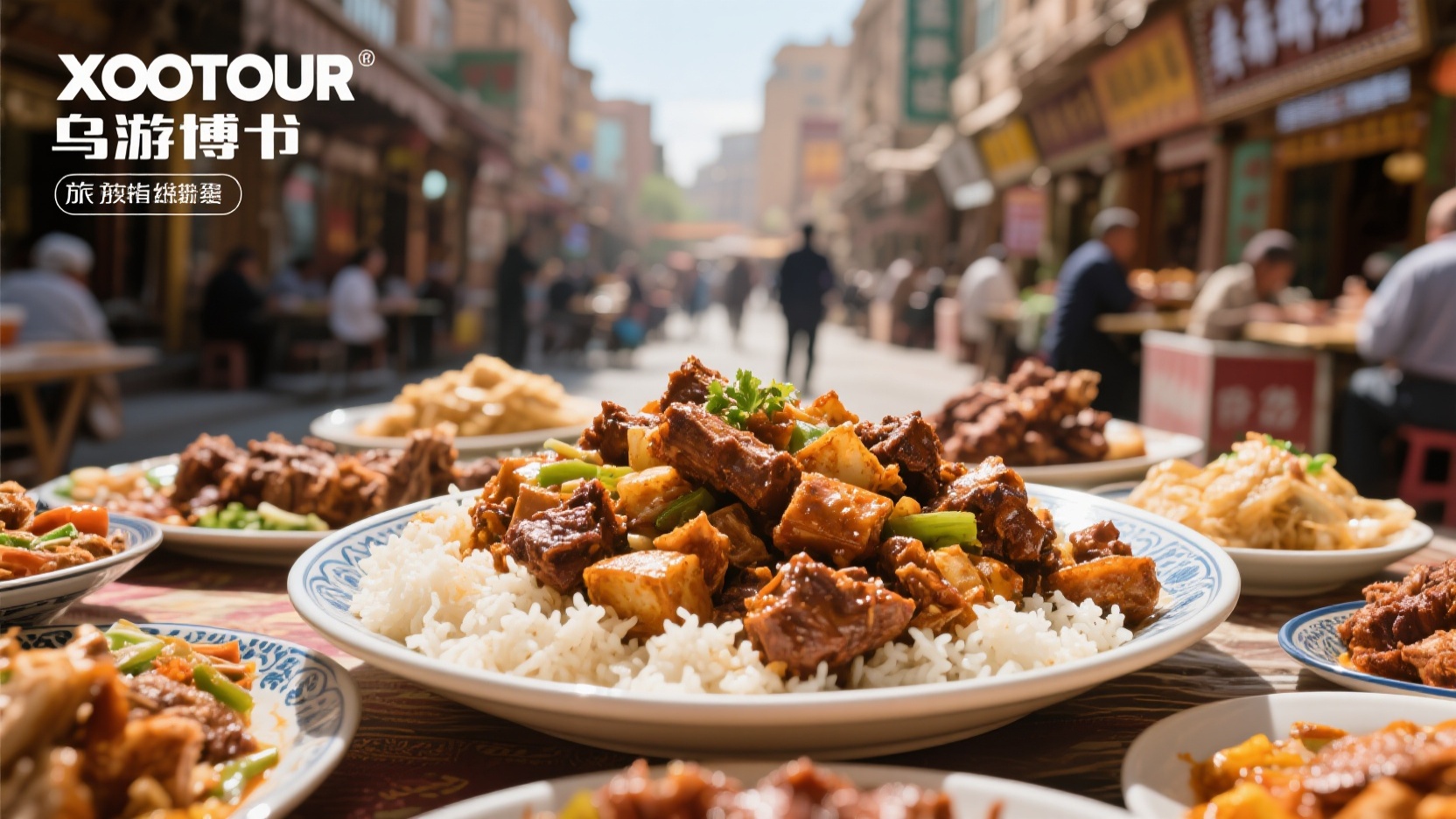
Urumqi, a shining pearl on the Silk Road, is not only the political, economic, and cultural center of Xinjiang, but also a culinary haven where diverse food cultures converge. Its cuisine, based on beef and mutton, incorporates flavors from Central Asia, West Asia, and even Russia, forming a unique culinary system. This article will provide an in-depth analysis of Urumqi's distinctive food scene and offer practical dining tips.
Must-try signature dishes list
In Urumqi, the following dishes are the perfect starting point for experiencing the local flavor and should not be missed:
1. Dapanji (Big Plate Chicken): As a synonym for Xinjiang cuisine, Urumqi's Dapanji has conquered countless diners with its spicy and fragrant flavor, tender chicken, soft and glutinous potatoes, and chewy wide noodles. It is usually made with local free-range chicken, stir-fried with green and red peppers, onions, potatoes, etc., then stewed with a secret sauce, and finally topped with wide noodles that have absorbed the soup. The taste is rich and layered.
2. Hand-pulled rice: Authentic hand-pulled rice uses mutton, carrots, onions, and rice as its main ingredients, braised in mutton fat. The mutton is marbled with fat and lean meat, the carrots are sweet and tender, and the rice grains are distinct, making it oily and fragrant. Its uniqueness lies in the perfect fusion of the savory mutton and the sweet carrots, resulting in a rich flavor and balanced nutrition.
3. Roasted Meat (Lamb Skewers): Xinjiang roasted meat uses fresh lamb leg or rib meat, cut into chunks, skewered with willow branches or iron skewers, sprinkled with cumin, chili powder and other seasonings, and roasted over charcoal. Crispy on the outside and tender on the inside, the meat is firm, fragrant but not gamey, making it the most tempting sight on the streets.
4. Naan: Naan is a staple food of the Uyghur people in Xinjiang, and there are many varieties. Common ones include Wowo naan, You naan, and Meat naan. Wowo naan has a crispy outer crust and a soft interior; You naan has layers and a fragrant aroma; Meat naan is made by wrapping mutton filling in a flatbread. Regardless of the type, they are all indispensable parts of the dining table with their unique wheat aroma and chewy texture.
5. Mixed Noodles (Pulled Noodles): Mixed noodles are a specialty of Xinjiang. The noodles are hand-pulled, resulting in a chewy and smooth texture. The side dishes are typically stir-fried fresh vegetables and diced mutton, such as stir-fried mutton noodles, minced meat noodles, and eggplant noodles. After mixing the noodles and toppings evenly, every bite is filled with the refreshing taste of vegetables and the rich flavor of meat.
6. Rice Sausage and Lung Noodles: This is a local specialty snack. Rice sausage is made by stuffing lamb liver, lamb heart, rice, etc. into lamb intestines and cooking them; lung noodles are made by repeatedly kneading and washing dough and stuffing it into lamb lungs before steaming. Both are sliced and drizzled with a special sauce, resulting in a soft, chewy texture, a spicy and savory flavor, and a unique taste.
7. Baked Buns: Baked buns are a traditional Uyghur snack, filled with diced mutton and onions. They are made with unleavened dough, rolled out, and baked in a tandoor oven. The outer crust is golden and crispy, while the filling is fresh, juicy, and flavorful, making them an excellent choice for breakfast or a snack.
Local favorites for food
To experience the most authentic flavors of Urumqi, the key is to avoid tourist hotspots and explore the neighborhoods frequented by locals:
1. Along Xinhua South Road and Shengli Road: This area is the old city of Urumqi, home to many long-established restaurants and street food stalls. Many locals have grown up eating here, enjoying authentic flavors at affordable prices. Here, you can find the most authentic dishes like braised chicken, hand-pulled rice, and barbecue.
2. Daximen and Xiaoximen areas: Also a traditional commercial and residential area of Urumqi, this area hides many highly-rated hole-in-the-wall restaurants and specialty snack stalls. Snacks such as lung noodles, rice sausage, and baked buns are especially abundant here, making it an ideal place to experience the vibrant, down-to-earth atmosphere of the city.
3. Xingfu Road Area: Xingfu Road and its surrounding streets and alleys, due to their residential nature, are home to a large number of restaurants catering to local residents. The dishes here often emphasize the natural flavors of the ingredients and traditional cooking methods, making them a great place to enjoy authentic Xinjiang cuisine.
Tips for avoiding overpriced and overpriced shops and tourist attractions
With the development of tourism, many "internet-famous" restaurants have emerged in Urumqi. Some are located near scenic spots, and some engage in excessive marketing, resulting in inflated prices and inconsistent taste. Here are some tips to avoid these pitfalls:
1. Beware of over-packaging: Overly luxurious decorations and excessive advertising often mean higher costs are passed on to consumers. True culinary delights are often hidden in seemingly unassuming little shops.
2. Observe local customer traffic: The most direct way to judge whether a restaurant is authentic is to look at the number of local diners. If a restaurant is frequented by locals and there is a queue, it is usually worth trying.
3. Choose restaurants around scenic spots with caution: While convenient, restaurants in popular scenic areas like Erdaoqiao Grand Bazaar are generally more expensive than in the city center, and some may have been modified to cater to tourist tastes, losing their original flavor. It's recommended to enjoy some snacks at the Grand Bazaar, and for main meals, choose nearby shops outside the scenic area.
4. Check prices in advance: Before ordering, especially for dishes priced by weight such as barbecue and hand-pulled meat, be sure to ask about the price to avoid misunderstandings when paying the bill.
5. Make good use of local recommendations: If you have local friends or a tour guide, their recommendations are often the most reliable. Or, observe which small shops are bustling with customers in the streets and alleys; you usually can't go wrong with that.
The cuisine of Urumqi is a vivid reflection of the city's diverse cultural fusion. Slow down, savor the everyday life and profound heritage of Urumqi with your taste buds, and let your palate be the most authentic guide on your journey.