
"This is my first time going to Shanghai. How many days should I stay so I don't feel rushed?"
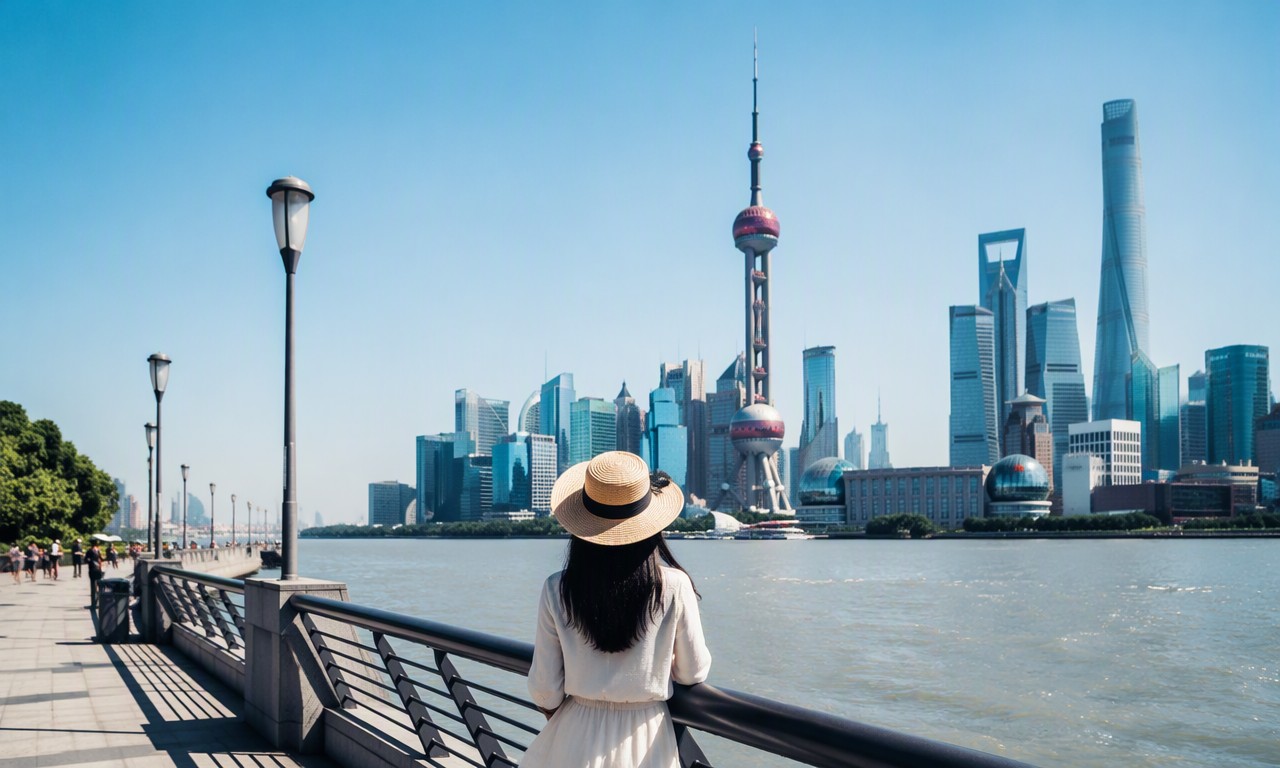
"How many days is enough to visit Shanghai? I only have two or three days, will that be too rushed?"
This is a question almost everyone visiting Shanghai for the first time asks. My assessment is: two days is only enough to complete the classic route of "The Bund—Nanjing East Road—Yu Garden—Lujiazui," but the whole trip feels like checking off a list, and you don't really experience the city. Three days is most people's comfort zone, allowing them to squeeze out a side trip that interests them outside the core attractions, such as the area around Wukang Road or the art museums on the West Bund. If you have patience for the city's texture, four days will start to give you the illusion of "living here," because only then will you be willing to take a bus across the Suzhou Creek to eat a bowl of noodles at some nameless street corner.
I don't recommend treating Shanghai as a destination requiring at least five days, and don't believe the claim that you can "explore Shanghai in one day." One day is only enough to take a photo on the Bund, and you'll have to pray it doesn't rain or there are long queues. A truly reasonable plan is: if you can manage three days, go for three; if you have five days, slow down and leave one day completely free, without any planning, just choose a route and go wherever you want.
What's the best season to visit Shanghai? Will it be uncomfortable in summer or winter?
My assessment is as follows: April to May and October to mid-November are the best times to visit Shanghai. The reason is straightforward—the outdoor temperature is most forgiving during these periods. The Wutong District is neither stuffy nor cold, and the breeze along the Suzhou Creek is pleasant enough to sit in. In summer, July and August are humid and hot; walking outdoors feels like rushing through a sauna, and queuing to enter any attraction requires willpower. In winter, if you happen to be there during consecutive rainy days, the damp cold is more discouraging than the temperature readings. Older buildings don't have the central heating found in northern China, and the temperature difference between indoors and outdoors will make you constantly put on and take off your coat.
But that doesn't mean you can't come in summer or winter. If you can only take your kids out during the summer holidays, then you can shorten your itinerary to the mornings and evenings, visiting museums, art galleries, or shopping malls in the afternoon, and still avoid the most uncomfortable times of day. The advantage of coming in winter is that there are fewer tourists, hotels are easier to book, and you don't have to fight for good spots to take photos on the Bund. My approach is: for people coming in winter, I advise them to plan more indoor activities and leave the "walking around and seeing the city" experience for spring and autumn.
Is it safe for a girl to travel alone in Shanghai? Especially at night.
Safety is one of the few things I can answer without hesitation about regarding Shanghai. The city's security density and nighttime lighting are excellent. Even after 10 PM, walking around shopping areas like Jing'an Temple, Xujiahui, and Zhongshan Park, there are still people on the streets and shops are still open. This feeling of "having people around" gives you a sense of security. The main subway lines operate until around 11 PM, and taking a taxi is also legitimate; ride-hailing platforms share your trip details, and drivers generally don't initiate conversations.
The real concerns aren't about safety, but rather practical issues like "eating alone" and "itinerary planning." Many local restaurants don't have single-person seating; if someone goes in and orders two dishes and a meal, they often have to take the leftovers home. My advice is to include more solo travelers in your itinerary at noodle shops, pan-fried dumpling shops, coffee shops, and small bars. If you want to eat local cuisine, go at lunchtime—it's less crowded, and you can control the portion sizes. For accommodation, choose established business hotels or chain hotels near subway transfer stations; this is more suitable for solo female travelers than staying in guesthouses deep in alleyways.
Is it appropriate to take elderly people and children to Shanghai?
It's suitable, but it depends on how you plan to travel. Shanghai's public transportation, accessibility facilities, and medical facilities are quite advanced compared to other cities in China, which are the most important factors to consider when traveling with elderly people and children. There are elevators for strolling along Nanjing Road and taking the subway, and most shopping malls and attractions have mother-and-baby rooms. If the elderly person has mobility issues, they can easily walk short distances to places like the Bund, Yu Garden, and the Qiantan Riverside without having to go up or down many stairs.
The problem lies in the "high-density, check-in-the-box" approach. Filling an entire day with three attractions leaves adults rushing and children exhausted. My advice for bringing elderly people and children to Shanghai is to focus on just one key attraction per day, allowing time for rest at the hotel in the afternoon. For dining, avoid trendy restaurants and those with long waits in shopping districts; instead, look for chain restaurants or established local eateries in neighborhood malls – they offer consistent quality, fast service, and lighter options. Allocating a day for amusement parks is fine, but avoid scheduling them on the arrival and departure days.
"How much budget should I prepare? Is Shanghai very expensive?"
Let me state the conclusion upfront: Shanghai can be expensive, but it's not necessarily expensive. What truly determines your budget isn't the city's cost of living, but your expectations for accommodation and food. A mid-range design hotel within the inner ring road can cost several hundred yuan per person per night, while staying in a hostel or a chain hotel near the subway can reduce the cost to around a hundred yuan per person per night. The difference in food is even greater. A noodle shop meal costing several tens of yuan per person versus a local neighborhood meal costing around a hundred yuan per person is like comparing the prices of two completely different cities compared to a high-end restaurant on the Bund.
If we're talking about a three-day, two-night trip, a solo traveler with basic requirements for food and accommodation, following a "budget-friendly but clean" route, can keep the entire budget within the middle range. This includes one or two decent meals, primarily subway travel, a few entrance fees, and coffee. If two people split the room cost, the per-person budget can be reduced even further. My advice is: in Shanghai, don't define your budget by "saving money," but rather by "where you spend your money." Money saved on accommodation is well worth spending on a decent meal at a traditional Shanghainese restaurant.
Which district is the most convenient to live in? Is it necessary to live near the Bund?
Not necessarily. Hotels near the Bund are suitable for those whose itinerary heavily revolves around the Bund and Nanjing Road, or for first-time visitors who want a direct view of the river from their windows. However, hotels converted from old buildings around the Bund tend to have small rooms, poor soundproofing, and aren't great value for money. I often recommend staying along the intersection of Metro Lines 2 and 10, such as the areas around Jing'an Temple, Zhongshan Park, Hongqiao, and Gubei. These areas offer convenient access to the city center, and there are convenience stores and late-night snacks downstairs, unlike hotels in purely scenic areas that become deserted at night.
If your main activities are in the West Bund and Wutong District, then the southern section of Line 10 and the area near Hengshan Road Station on Line 1 will be more convenient. If you're taking children to amusement parks, choose accommodations based on the park's shuttle bus and the subway station nearby; don't put yourself in a difficult situation by staying on the Huangpu River just to "see the Bund." The key to accommodation in Shanghai isn't "the most central," but rather "near a subway station + with convenient amenities." If these two points are met, you can't go wrong no matter which district you stay in.
What should I eat when I first go to Shanghai? Do I have to wait in long lines everywhere?
Many people, when planning their Shanghai food tours, start by looking for "must-eat lists" and "queue kings." My assessment is that Shanghai's worthwhile food falls into two categories: one is everyday breakfast and snacks like pan-fried dumplings, xiaolongbao, and scallion oil noodles; the other is rich, flavorful, and authentic Shanghainese home-style cuisine. For the former, you don't need to squeeze into those overrated, time-honored restaurants. Many shops in neighborhood stores and near markets offer consistently good quality, reasonable prices, and no queues. For the latter, you don't necessarily have to go to those shady "young master" Shanghainese restaurants hidden in small buildings. Find a lane restaurant that's been open for over a decade or an old neighborhood eatery, and you can eat comfortably for just a few dozen yuan per person.
The places that really require queuing are mostly those trendy items with "visual memorability," like a uniquely shaped dessert or a noodle shop frequented by a celebrity. If you're not aiming for photos, you can completely avoid them. My approach is to link "what to eat" with "where to shop." Whichever area I'm in, I'll eat that type of food nearby. For example, I'll eat potstickers in Hongkou, local Shanghainese food on Dingxi Road, and dim sum near Jing'an Temple. I don't need to travel halfway across the city just to find one place.
What are some good souvenirs to buy in Shanghai?
When many people ask this question, they're implicitly admitting they don't want to buy the piles of "Shanghai specialties" sold at airports. My advice is: look for Shanghai souvenirs that embody "established brand pastries + old-school elegance." Several long-standing Chinese brands offer presentable souvenirs with consistent quality, suitable for elders. For friends of similar age, choose local independent roasting or coffee beans—these are well-established in Shanghai and reflect the city's unique aesthetic. If you want something more interesting, visit a stationery store or art bookstore on Fuzhou Road and pick out some creative cultural items; they'll be more memorable than a souvenir T-shirt printed with the city's name.
My advice is to avoid buying any "specialty pastries" in scenic areas or Yu Garden. Most of them are mass-produced goods with nice packaging but mediocre taste. If you want to buy them, go to a department store or the original store of a long-established brand, and have them shipped back directly by courier—it won't take up luggage space. When it comes to souvenirs in Shanghai, the principle is "presentable, lightweight, and not compromising on taste."