
When is the safest day to buy souvenirs in Shanghai?
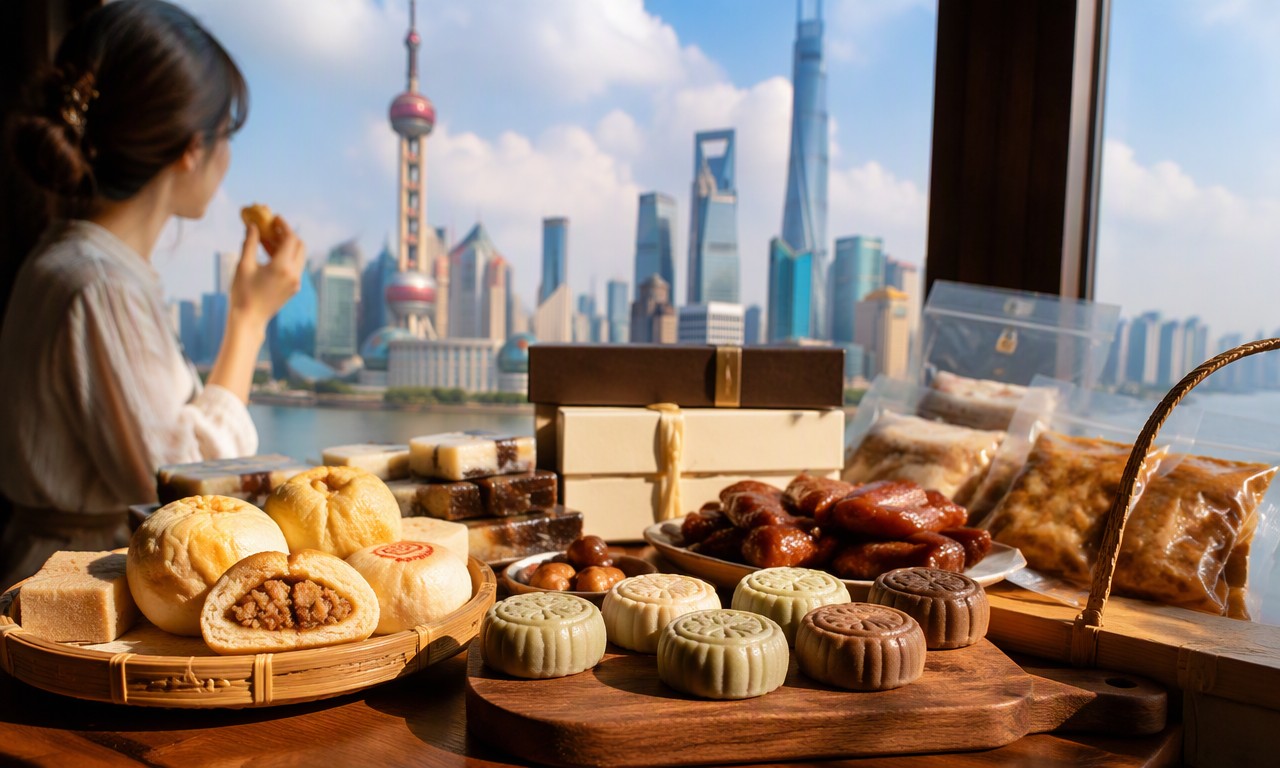
Many readers' biggest dilemma before a trip isn't "what to buy," but rather "when to buy." Buying too early risks spoilage, buying too late risks running out of stock, and buying them might not keep well. This article, arranged chronologically from departure to return day, clearly explains the best time to buy each type of Shanghai-style souvenir, how long they can be stored, and how to bring and store them. After reading, you can follow these steps without constantly worrying about them while you're traveling.
Before you set off: First, figure out which items you absolutely don't need to buy during your trip.
Some people rush to buy souvenirs as soon as they land, but some Shanghai specialties can actually be bought before departure. Pre-packaged snacks that can be stored for a long time, such as tiao tou gao (a type of rice cake), qian shi gao (a type of rice cake), pear syrup candy, spiced beans, and individually wrapped butterfly cookies, can all be bought in local supermarkets or brand online stores, saving you energy and luggage space on the day of your trip. The reason is simple: they often have a shelf life of several months, so buying them earlier or later makes no difference. However, every item you buy during your trip will take up your carrying capacity and luggage space.
Here's what you can do: Before you leave, fill in your home or office address as the delivery address and calculate the shipping time. Once you arrive in Shanghai, you won't need to make a special trip to buy it. The rest—those things that "taste best when bought in Shanghai"—that's what you really need to plan for the next few days.
Day 1 of arrival: First, "scout out" the area, don't rush to buy, and focus on categories that will be available for at least 30 days.
On your first day, don't rush to buy loads of stuff. Do one thing first: Look around your hotel or the area you plan to explore, and check out a few well-established food shops or local supermarkets. See what they have in stock and how long the lines are. Classic items that can be stored for more than 30 days, such as pear syrup candy, spiced beans, individually wrapped butterfly cookies, some meat floss, or pickles, can be bought later. The reason for not buying them on this day is simple: you don't know if you'll be too tired to carry everything in the following days, and locating them beforehand will prevent you from frantically searching before your return trip.
Judgment criteria: For items with a shelf life of over 30 days, there's no issue of "it will spoil if you buy it too late." The only concern is "popular stores selling out on the same day." Therefore, on the first day of scouting, if you find a long queue outside a well-established brand, note its opening hours and queuing patterns, and then return during a less peak period in the middle of your trip.
Days 2-3 of the trip: Start buying dried goods and vacuum-packed cooked food that can be stored for 14-30 days.
By this time, you've adapted to Shanghai's pace and know roughly which areas you'll cover each day. You can start buying items with a shelf life of 14 to 30 days, such as vacuum-packed braised duck, smoked fish, marinated chicken feet, stuffed fried gluten, and other semi-finished cooked foods, as well as some bagged pastries. These items will fit perfectly in your suitcase, as long as you don't open the bags or expose them to direct sunlight, and they'll last until you get home and refrigerate them. When buying, pay attention to the production date and try to choose items towards the back of the shelf.
One easily overlooked point: Vacuum-packed ready-to-eat meals may seem "well-packaged," but if you're staying in a hotel room without a refrigerator, don't buy them too early. Buying them on the 2nd or 3rd day means they'll be in your suitcase for several more days, and the risk is actually quite high in hot weather. A safer approach is to only buy items that you've already checked the taste for that evening. Buy one bag to try first; if it's good, restock before your return trip; if not, choose something else.
Day 4, midway through the trip: Suitable for buying freshly made cakes and braised dishes that are "around 7 days old".
By the middle of your trip, you've roughly decided which shops are worth revisiting and which flavors your family will enjoy. At this point, you can start buying freshly made rice cakes and glutinous rice balls with a shelf life of around 7 days, such as qingtuan (green glutinous rice balls), shuangniangtuan (double-filling rice balls), dingshenggao (a type of rice cake), freshly baked and cooled versions of meat mooncakes, and freshly cut and weighed braised dishes. These items are prized for their "fragrant aroma shortly after being made"; they'll become soggy and dry if left out too long. If you're not traveling far that day, you can spread them out in your hotel room to air them out; don't leave them stuffed in plastic bags.
My assessment is that souvenirs with a shelf life of around 7 days are items that should be consumed as soon as possible after purchase, and are best given to people you'll see the next day. If the recipient lives far away or requires courier delivery, don't force them; opt for items with a longer shelf life instead. Buying them on this day allows you two or three days before your return trip, giving you time to decide whether you want to buy another one before leaving.
48 hours before your return trip: Buy fresh snacks and cooked food that will last for 3-5 days.
This is the section that truly tests your judgment. Fresh meat mooncakes, freshly baked crab shell pastries, some freshly made cream cakes, and same-day baked rice cakes or glutinous rice balls often have a shelf life of only 3 to 5 days, with some even recommended to be consumed within 24 hours. My advice is: the last window to buy these items is 48 hours before your return trip; any later and it will be too late. Before buying, calculate "the date you arrive home" and work backwards to figure out how long these pastries will last. If your return day is a Saturday, buying fresh meat mooncakes on Friday and giving them away on Sunday will barely keep them within the window; if the recipient only receives them on Monday, even if refrigerated, the taste will be completely different.
Here's what you can do: Two days before your return trip, bring a foldable insulated bag or a resealable greaseproof paper bag. Once you buy it, immediately return to your hotel and put it in the refrigerator. The next day, pack it in your carry-on luggage. Don't check it in; it will break if you put it on the overhead rack. Also, a word of caution: there's no need to "buy several items to create a gift set." Just buy one or two of the most representative items; freshness is its only value.
On the day of return: Only buy freshly made snacks that are "to be eaten on the spot or must be finished the next day".
The things you buy on the day of your return trip are basically for two purposes: eating on the way or giving away the next morning after you get home. Suitable items for this time are foods that truly "won't be the same after today," such as freshly fried dough sticks, freshly made crab shell pastries, hot meat mooncakes, and freshly weighed poached chicken or scallion oil chicken. Don't be greedy when buying; just calculate the quantity according to the number of people. If you're returning by high-speed rail or plane, check in all liquids and semi-solids before going through security, and only keep dry goods and snacks in your hand luggage.
Criteria for judgment: Don't expect to "save up and eat slowly" anything you buy on the day of your return trip. Before buying, ask yourself, "Can I finish it tonight or tomorrow morning?" If the answer is uncertain, put it down. The value of these kinds of things isn't in "keeping them," but in "the fact that they're still warm when you bring them back."
Once home: portion, refrigerate, and label to lock in the last bit of freshness.
Many people buy gifts and call it a day, but the first thing you do after they arrive home actually determines how long they'll last. My approach is: as soon as you get home, divide everything into three piles according to their expiration dates. Items to be consumed within 3 days are placed on the top shelf of the refrigerator where they're easily visible; items to be consumed within 7 days are placed in a refrigerator drawer; and items older than 30 days are placed in a cool, dry place. Write the purchase date and "suggested consumption date" on sticky notes and attach them to the side of the packaging. The gifts are placed in a separate plastic bag with the recipient's name written on it, to avoid a pile of white boxes in the refrigerator that no one can tell who's who.
This action may seem trivial, but it solves one of the most regrettable fates of souvenirs: you spend time and effort buying them, only to have them spoil because you forget to eat them or put them in the wrong place. Especially with cakes and cooked foods brought back from Shanghai, many are prone to repeated thawing and freezing, so it's better to arrange everything at once rather than freeze them and then take them out and put them back.