
8 Hidden Gems in Shanghai | A Blogger's Guide to Local Gems Not Popular with Online Influencers (Including Tips to Avoid Common Mistakes) After Three Trips
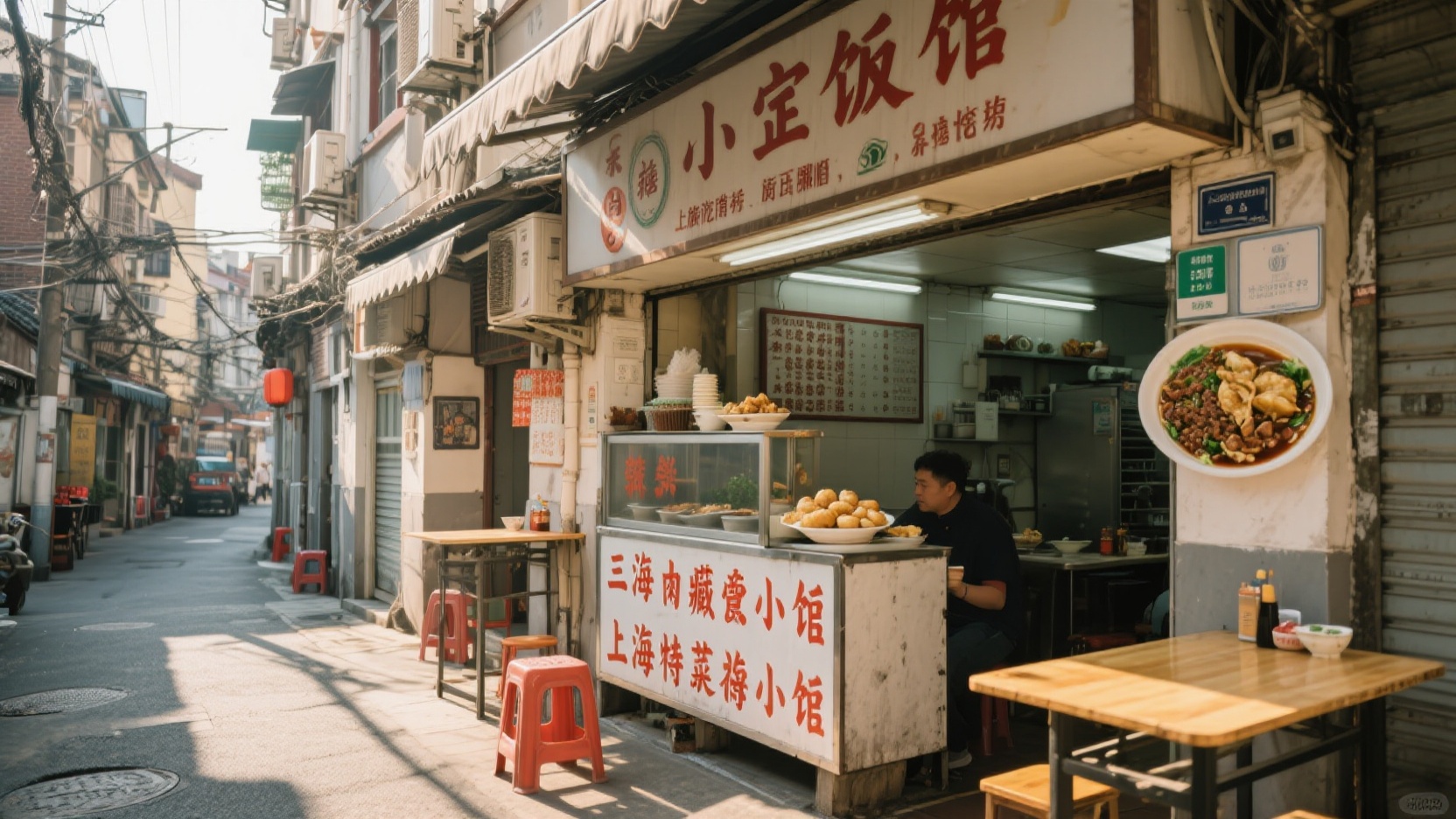
I made three trips to Shanghai, each time ignoring the lists and instead staking out back doors of markets, alleyways, and community food stalls to find these eight restaurants that don't do marketing and aren't on the must-eat list. Most of them don't have decent signs, and the owners are quiet, but their cooking is always top-notch.
This list avoids tourist routes and popular queues, making it suitable for those willing to walk a little further for authentic flavors. It's broken down below according to my own itinerary.
First stop: the secret code of the morning market near Yangpu vegetable market, where spicy pork noodles and fried pork chops are sold.
The "A Liang Spicy Pork Noodles" near the back gate of Shuangyang Road Market is worth a visit because the spicy pork is freshly stir-fried every morning before dawn, not pre-cooked and cooled as a topping. The diced pork has a bit of fat on the edges, and the spiciness is infused with a hint of sugar, making it more flavorful when mixed with noodles than in soup. The owner only operates during the morning and afternoon hours, often closing before 11:30 am.
How to order: Just walk in and shout "Spicy pork noodles with pickled mustard greens and a poached egg," don't hesitate. You can also buy some nearby: rice cakes at the side entrance of the market, fresh out of the pan with a tangy aroma of fermented rice wine, perfect with a fried dough stick to balance the spiciness.
On the same street, there's also "Ah Liu Fried Pork Chop," located on the ground floor of a residential building. The batter is very thin, and the meat is thick and tender. The signature way to eat it is with spicy soy sauce, which the owner makes himself with added spices and has a slightly plum-sour taste. You can also buy Bright Dairy ice cream bars from the fruit stand next door to cleanse your palate after eating fried food.
Second trip: In the alleyways of Hongkou, the secret to the crispy bottom of potstickers and beef pan-fried buns.
In the old alleyways of Hongkou, "Wangjia Lane Potstickers" doesn't have a signboard; you have to rely on regulars to find it. The potstickers have a crispy but not hard bottom, the skin is made with a semi-scalded dough, and the meat filling doesn't use scallion and ginger water, so you can taste the natural flavor of the pork. Only about twenty are made in a batch, and if you miss it, you have to wait for the next batch.
How to order: Two ounces of potstickers and a bowl of curry beef soup. First, bite a small hole in the potsticker and sip the soup. On the way, buy some freshly made crepe-like wonton wrappers from the old lady at the alley entrance. Buy a stack to take home and make soup; they're much thinner than supermarket wonton wrappers.
Walk through the alley to the street corner, and you'll find a community stall that only sells beef pan-fried buns, opening at 3 PM. The ratio of beef to onions is very balanced; they're juicy but not greasy when eaten hot. On the way, grab some pickled garlic from the pickle shop next door—it goes perfectly with congee or the beef pan-fried buns.
Third stop: the old town's cooked food stalls, serving rice and poached chicken at lunchtime.
Hidden behind the market in Huangpu's old town, "Ahua Rice and Vegetables" is a popular lunch spot frequented by local residents, mostly older folks. The rice and vegetables are cooked in an iron pot, ensuring the greens don't turn yellow, the salted pork chunks are generously portioned, and each grain of rice is fragrant with oil. Free bone broth is served, with a flavorful base of soybeans and dried mussels. They only serve lunch, and it's sold out quickly.
How to order: A box of rice and vegetables plus a braised pork chop, and an extra serving of stuffed fried gluten puffs. On the way, you can also buy: the sweet lotus root from the cooked food stall across the street; the glutinous rice is packed tightly, and the sweetness isn't overpowering.
There's also a poached chicken stall near the community window; the chicken skin is crispy and the meat is tender. The dipping sauce includes minced ginger and soy sauce, unlike chain stores. Their chicken porridge is also worth buying; the rice grains are cooked until they bloom. On the way, you can also buy scallion pancakes next to the window. They're not the trendy kind, but they have great layers and a wonderfully fragrant oily flavor.
Fourth trip: Jing'an backstreets, an anti-internet-famous route featuring sweet rice cakes and cold noodles.
The "alleyway sugar cake stall" in the backstreet of Jing'an Temple only operates in the morning. The white sugar cakes are fried until crispy on the outside and soft and chewy on the inside, and the sweetness comes from the batter, not artificial sweetener. The fried radish cakes are also generous, with plenty of shredded radish and a thin outer shell. The stall owner sets up his stall at different times each day, so it's best to arrive before 9 a.m.
How to order: Two white sugar cakes and one fried dough stick, wrapped in oil paper to eat on the go. Buy some along the way: Honey-glazed gluten and Four Delights gluten from the "Ah San Roasted Gluten" window next door, about ten yuan is enough for two people to have porridge.
If you're still on a backstreet at lunchtime, try that neighborhood cold noodle shop with only five tables. The noodles are made with steamed noodles rinsed in water, the peanut sauce is generous but not cloying, and the vinegar flavor is very refreshing. What to order: cold noodles with spicy pork or braised pork chop with noodles, and a glass of iced soy milk. Nearby, you can also buy some salty butter balls from the bakery at the back gate – perfect for taking home for breakfast.
The conclusion after three visits is straightforward: these restaurants are not suitable for typical tourist getaways; their strengths lie in the freshness of their ingredients, consistent taste, and authentic community feel. However, because they are small, their capacity is limited, so be prepared before you go.
First rule to avoid pitfalls: Don't go during peak meal times. Restaurants serving spicy pork noodles or rice dishes often have long queues during lunchtime, and toppings are often sold out. It's best to go as soon as they open or half an hour before closing. Second rule: Don't just order the signature dishes. Many established restaurants don't have hidden gems on the menu, such as pickled mustard greens at noodle shops, sweet lotus root at cooked food stalls, or curry soup at potsticker stands. Ordering only the signature dishes will cause you to miss out on authentic local combinations. Third rule: Remember to bring cash. Some alleyway shops and roadside stalls still only accept cash, so you'll be wasting your time if you don't have any. Also, have small change ready, as stalls often don't give change easily.