
Shanghai's Cultural Code: 8 Niche Cultural Spots Connecting the City's Spiritual Corners
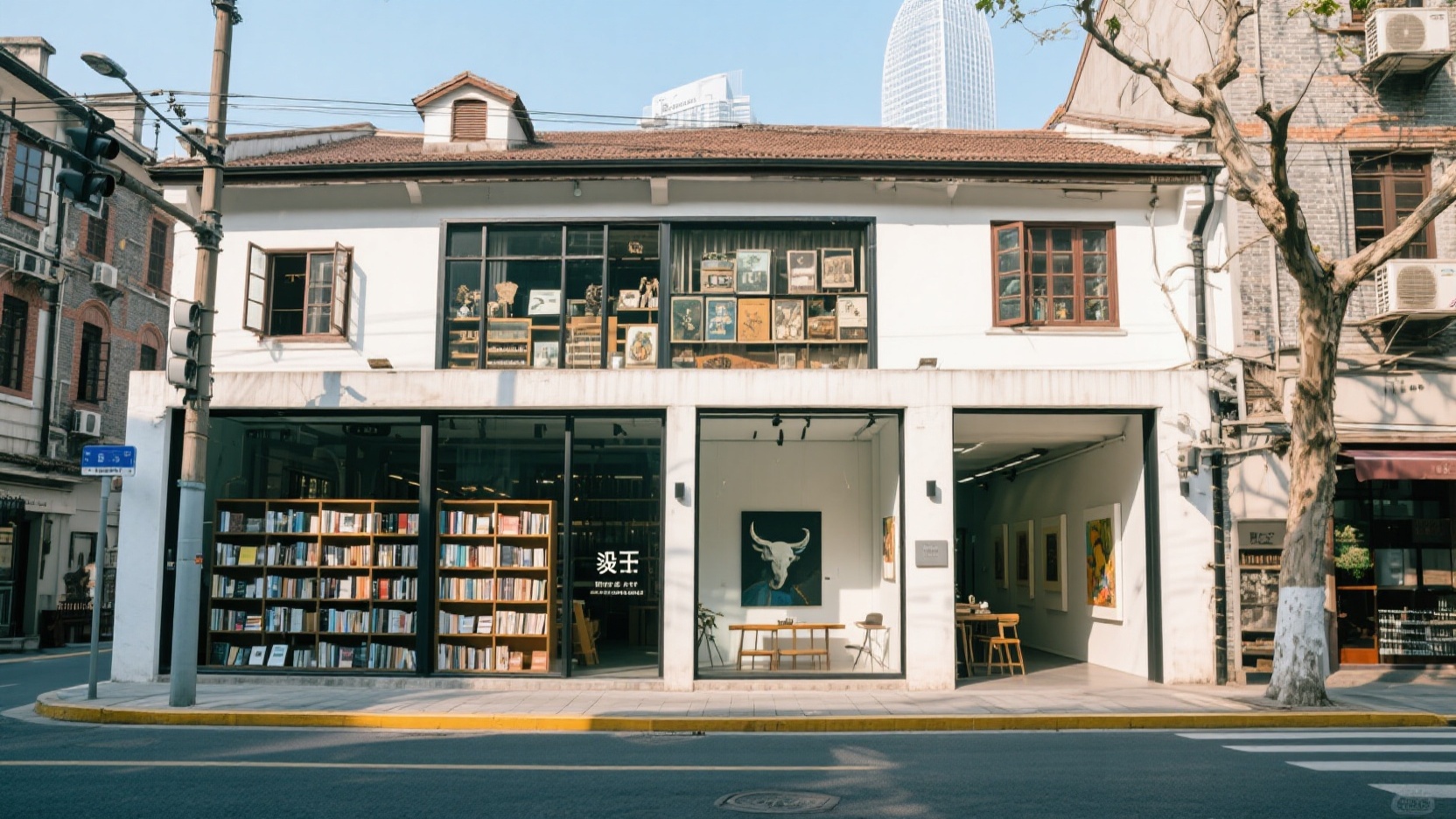
Shanghai's cultural and artistic landscape extends far beyond the street-style photo spots along the West Bund Art Museum Avenue and Wukang Road. The true corners of the city's spirit are often hidden in independent spaces tucked away in old factories, neighborhood alleyways, and old streets. This article uses a walkable map of lesser-known cultural locations as its framework, outlining eight unique yet equally captivating spots, perfect for art-loving tourists seeking to avoid crowds and focus on immersive experiences.
An art scene emerging from an old factory
The Ming Contemporary Art Museum, converted from a former workshop of the Shanghai Paper Machinery Factory, still retains its high steel-framed roof, rough cement floors, and remnants of the original walls. The museum's exhibitions focus on contemporary performance art, video art, and installation art, with the stark texture of the industrial space often contrasting with the softer expressions of the artworks. The highlights are the tension between the building's historical fabric and avant-garde art, as well as the less-disrupted viewing experience from tour groups. Photography tips: Look up at the steel frame structure in the atrium, or capture the shadows on the walls in the afternoon light streaming through the high windows; these shots will evoke a cool, industrial narrative.
"Xian Suo" is a white geometric creative park converted from an old factory, housing design studios, independent boutiques, small exhibitions, and cafes. The highlight here isn't any particular shop sign, but the minimalist order of the gray and white walls and the spatial feel created by the staggered staircases. The atmosphere of the atrium changes with the light at different times of day. Photography tips: Before 10 am, when there are fewer people, it's suitable to use a wide-angle lens to shoot upwards or downwards for straight-line compositions at the spiral staircase; you can also take photos of the symmetrical view of the atrium from the second-floor connecting corridor.
Slices of Time from Independent Bookstores and Old Goods Warehouses
"Half-Floor Bookstore" specializes in books on architecture, urban planning, and design. The space utilizes a split-level structure to create alternating reading areas. Its core strength, distinguishing it from ordinary bookstores, lies in its selection of original Hong Kong and Taiwan architecture books and niche urban studies monographs. The selection is relatively sophisticated, making it suitable for architecture and urban studies enthusiasts. The highlight is the synergy between the professional book selection and the spatial design. Photography tips: Stand on the upper level and shoot downwards, utilizing the difference in floor level and ceiling light to create depth; avoid lingering in the narrow passageways in front of the bookshelves, and be mindful not to obstruct others from accessing books while taking photos.
"Rhino Bookstore" is a small bookstore mainly selling secondhand literature, history, and philosophy books. The shelves are densely packed, the pages yellowed, and it often features out-of-print books and collections from local scholars. Its atmosphere is more like a secondhand bookstore or a private study; you need patience and slow browsing to discover hidden gems. Photography tips: Close-ups of book spines under a warm yellow lamp have a film-like quality. When photographing stacks of old books, turn off the flash and use the side lighting of the lamp to better highlight the texture of the paper.
"Old Things Warehouse" specializes in collecting everyday objects from old Shanghai, from antique furniture, enamel mugs, and vintage radios to retro lamps. These items are rearranged according to everyday life scenes, resulting in a high density of objects. The appeal isn't about novelty, but rather the concrete memories of Shanghai residents behind these objects; many bear the marks of use and their age. Photography tips: Use natural light in the corners of the display to capture the atmosphere, avoiding flash photography which can ruin the ambiance. Utilize mirrors or glass reflections to add depth; overhead shots of the tabletop arrangements are more effective than panoramic views.
Gallery and café in the alleyway
"Capsule Shanghai" is tucked away in an old villa, showcasing primarily paintings, videos, and mixed media works by young contemporary artists. The white walls and wooden floors retain the warmth of a living space, making the works feel more relatable. The exhibition layout often utilizes the original room partitions. The highlight is the synergy between the small-scale exhibitions and the old villa space, making it suitable for visitors who prefer a quiet viewing experience. Photography tips: Capture the contrast between the gallery's doors and windows and the details of the old building; maintain a minimalist composition in front of the exhibited works; the soft natural light near the windows is perfect for close-up shots.
MadeIn Gallery is a relatively active independent gallery in the contemporary art scene, representing artists with conceptual and experimental works, and its exhibitions are frequently updated. The space is small, but the curatorial density is high, making it suitable for visitors who are interested in contemporary art trends to carefully observe rather than just rushing through. Photography tips: If photography is permitted, you can take pictures of people or details against a clean background in front of the artworks to highlight the proportional relationship between the artworks and the viewer; be careful to avoid reflections from the glass.
"Luma Coffee" is located on a street corner in the neighborhood, specializing in Japanese-style hand-drip coffee. The shop is quiet and restrained, and the hand-drip coffee menu is updated seasonally. It's more like a suitable stopover after browsing an art gallery or bookstore, with window seats offering a vantage point to observe everyday street life. Photography tips: Sit by the window and use natural light to photograph the coffee cups and the street view outside, preserving the atmosphere of the neighborhood; the hand-drip bar is perfect for capturing the details of the barista's work.
These eight locations encompass diverse formats, including bookstores, galleries, antique warehouses, renovated factory parks, and community cafes, all interconnected by walking or short bike rides. Together, they form another cultural map of Shanghai that doesn't rely on tourist attractions. Explore the city's spiritual corners on foot.