
Shanghai Art Trail | An In-Depth Journey to Appreciate Shanghai's Culture and Art
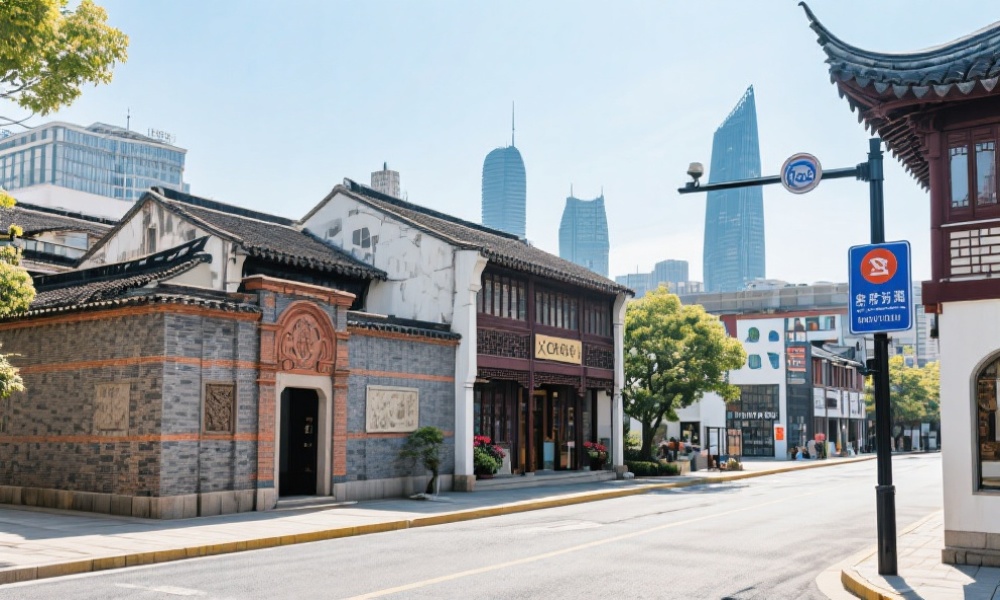
Shanghai, this metropolis of the East, is renowned not only for its bustling cityscape and vibrant economy, but also for its rich historical tapestry and diverse cultural and artistic landscape. XOOTOUR's expert destination column will guide you deep into Shanghai's cultural heartland, planning an in-depth cultural route centered on museums, historical sites, and intangible cultural heritage experiences, to explore the city's unique artistic pulse and cultural heritage.
Part One: The Sediment of History and the Window to Civilization
A cultural journey through Shanghai should begin at its historical roots. The Shanghai Museum , located in People's Square, is an ideal starting point for understanding the development of Chinese and Shanghai's culture and art. Its architecture resembles the ancient Chinese bronze vessel "ding," symbolizing the depth and stability of Chinese civilization. The museum's collection is comprehensive, particularly renowned for its bronzes, ceramics, calligraphy, and paintings. Here, visitors can systematically appreciate the essence of Chinese art from ancient times to the modern era. Each exhibit carries a historical story, vividly reflecting the inclusive spirit of the Chinese nation. It is recommended to allocate at least half a day for careful appreciation.
Stepping out of the museum and strolling to the Bund, the Bund's collection of international architecture is a microcosm of Shanghai's modern history. These diverse buildings, such as Gothic, Baroque, Romanesque, and Neoclassical, silently narrate Shanghai's transformation and integration since its opening to foreign trade. They are not only masterpieces of architectural art but also witnesses to the collision and exchange of Eastern and Western cultures. A walk along the Bund is not just about appreciating architectural beauty but also about feeling the weight of history and the turbulent times.
Part Two: The Charm and Artistic Breath of the French Concession
A cultural and artistic journey through Shanghai wouldn't be complete without a deep exploration of the former French Concession . This area is renowned for its unique plane tree-lined streets, garden villas, and historical buildings. Wukang Road and Fuxing Road offer the best routes to experience the charm of the French Concession. It was once the residence of many cultural figures and artists, such as the former residences of Ba Jin and Soong Ching-ling. Each old villa carries rich historical memories and human stories. Strolling through it, feeling the tranquility of time and the artistic atmosphere, is like stepping into a living historical novel.
The core architectural feature of the French Concession is the Shikumen (stone-gate) style . This blend of Chinese and Western architectural styles retains the closed and introverted nature of traditional Jiangnan residences while incorporating elements of Western townhouses, making it a unique carrier of Shanghai's alleyway culture. Tianzifang , a model of Shikumen alleyway renovation, although commercialized, still retains a rich artistic atmosphere with its winding lanes, weathered walls, and numerous handicraft shops and galleries. Here, you can explore independent designer studios and experience the organic fusion of traditional architecture and modern art. Shikumen is not just architecture, but also a carrier of Shanghai's lifestyle and cultural memory.
Part Three: The Elegance of Classical Gardens and the Intangible Cultural Heritage Preservation
To gain a deeper understanding of Shanghai's traditional culture, Yu Garden is an unmissable destination. This classical garden, originally built in the Ming Dynasty, showcases the elegance and harmony of Jiangnan gardens with its exquisite layout, rockeries, ponds, pavilions, and towers. Yu Garden's design cleverly utilizes the principle of "a different view with every step," with each landscape meticulously crafted and imbued with profound philosophical and aesthetic thought. Here, visitors can slow down, appreciate the ingenuity of the ancients, and experience the unique charm of traditional Chinese garden art, a stark contrast to the hustle and bustle of the city.
The City God Temple tourist area , adjacent to Yu Garden, is an excellent place to experience Shanghai's traditional folk culture and intangible cultural heritage. It boasts a wide variety of traditional handicrafts, local snacks, and folk art performances. Visitors are encouraged to find an elegant teahouse and experience a traditional tea ceremony . From selecting tea and brewing it to tasting it, every step embodies the etiquette and philosophy of traditional Chinese culture, offering a wonderful way to experience "slow living" and the preservation of intangible cultural heritage. In addition, you can also look out for workshops or exhibitions of intangible cultural heritage projects such as Shanghai velvet embroidery, Gu embroidery, and Shanghai-style paper-cutting , and personally experience these exquisite skills passed down through generations.
Part Four: The Pulse of Contemporary Art and the Spirit of the City
Shanghai's cultural and artistic journey doesn't stop at history; it also embraces the contemporary with an open attitude. The Power Station of Art (Shanghai) is a public contemporary art museum in mainland China, converted from the former Nanshi Power Plant. Its massive industrial building is itself a work of art, symbolizing Shanghai's transformation from the industrial age to the cultural and creative age. The museum regularly hosts international contemporary art exhibitions, serving as an important window into the forefront of global and Chinese contemporary art development. Here, you can reflect on the relationship between art and society, technology, and the environment, and experience Shanghai's pioneering spirit as an international cultural metropolis.
Another contemporary art hub worth exploring is M50 Creative Park (50 Moganshan Road) . Formerly a textile factory and warehouse, it now houses numerous galleries, artist studios, and design firms. With its unique blend of industrial heritage and modern art, M50 has become a significant art landmark in Shanghai. Strolling through it, one can appreciate diverse artworks and experience the collision of creativity and vitality. M50 not only showcases the multifaceted nature of contemporary art but also reflects Shanghai's emphasis on and investment in culture and art during urban renewal.
Through this in-depth cultural and artistic route, you will be more than just a tourist; you will become an experiencer and a thinker. A cultural and artistic journey through Shanghai is a dialogue across time and space, a profound exploration of the city's soul. Slow down, feel with your heart, and you will discover a more three-dimensional and captivating Shanghai.