
The Flavors of Qingdao in Every Meal | From Sweet Rice Porridge in the Morning to Wild Wonton at Night: 8 Home-Style Dishes on Local Tables
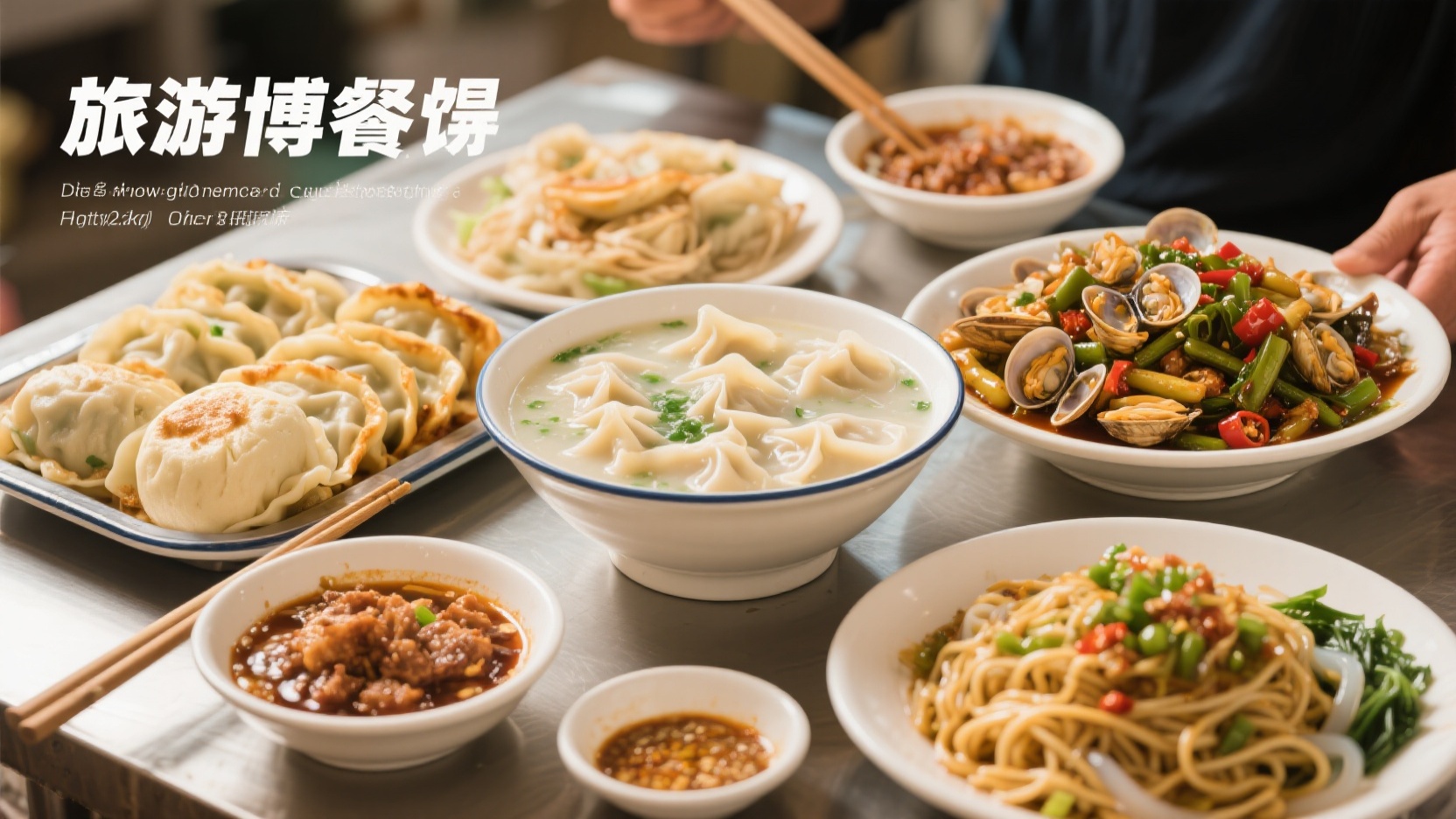
At six in the morning, steam rises from breakfast stalls in Qingdao's old town. For most locals, the day begins with a bowl of savory, piping hot sweet porridge. The underlying logic of Qingdao's cuisine is simple: seafood ensures freshness, noodles ensure satiety, and beer ensures relaxation. Tourists often focus on trendy restaurants near tourist attractions, while residents' meals are mostly scattered throughout the wet markets, storefronts near residential buildings, and late-night street stalls. Only by experiencing the city's diverse culinary landscape from morning till night can one truly feel its culinary warmth.
Morning: Sweet porridge and potstickers
Despite its name, Tianmo (甜沫) is actually savory. It's made by simmering millet or cornmeal into a paste, then adding peanuts, tofu skin, glass noodles, and spinach. Some versions also include red beans or cowpeas, cooking it until thick. It's smooth and piping hot, with crunchy peanuts, slippery glass noodles, chewy tofu skin, and a subtle hint of pepper. Older Qingdao residents typically pair it with a fried dough stick or a hard-crust flatbread. They don't even need a menu; they just sit down and say, "A bowl of Tianmo, please." It's not fancy, but it consistently provides warmth in the old city's mornings.
Potstickers are another hearty breakfast option. Qingdao potstickers are often filled with a combination of seafood or mackerel filling. The dough is wrapped into a crescent shape, pan-fried in oil until the bottom is golden brown, then simmered in water until cooked through. They come out with a layer of crispy flakes. The proper way to eat them is to "open the window first, then drink the soup." The bottom is crispy, the skin is chewy, and the filling is piping hot. Served with millet porridge or minced garlic, it's a satisfying breakfast for many office workers.
Lunch: The Logic of Umami in Local Restaurants
The main dish for lunch is often a bowl of clam and green bean noodles with gravy. Hongdao clams are the most recognized local product in Qingdao, known for their thin shells, plump meat, and high freshness. After cleaning the clams, they are boiled until they open, and the resulting milky white broth is strained and reserved. In a separate pan, diced pork and green beans are sautéed until softened, then the clam broth is added, followed by beaten egg, and thickened with cornstarch to make a gravy. The hand-pulled noodles are cooked slightly firm, topped with the gravy, and mixed well while still hot. The green beans provide a sweet touch, the clams add freshness, and the egg makes the broth rich and smooth. This bowl of noodles has no extra seasonings, yet it's incredibly flavorful with layers of taste. This is a common lunch for Qingdao families, and in noodle shops, it's usually labeled "Clam and Green Bean Noodles" or "Seafood Gravy Noodles."
A popular cold dish at this small restaurant is seaweed jelly. The main ingredient isn't starch, but rather seaweed, agar-agar. The seaweed is repeatedly boiled and strained, the broth is cooled and solidified, then cut into small pieces or strips and topped with minced garlic, cilantro, dried shrimp, rice vinegar, light soy sauce, and sesame oil. The jelly is smooth, refreshing, and tangy, with a hint of seafood flavor from the dried shrimp. It may seem unassuming, but it represents the ingenuity of coastal residents utilizing the solidification of marine plants, making it perfect for pairing with noodles or rice in the summer.
Afternoon Tea: The aroma of dried fruit and wheat from the mountains and the sea
Around 3 PM, Qingdao locals often snack on pork cracklings. Made by slicing pork belly or shoulder into strips, these are slowly fried at a low temperature, allowing the fat to render out gradually, leaving behind crispy but not burnt dried meat. Freshly fried cracklings are sprinkled with salt and eaten immediately; they become even crispier as they cool. Qingdao people appreciate cracklings for their "dry and fragrant" flavor—not oily or greasy, but with a meaty aroma. They are often enjoyed as an afternoon tea snack, eaten directly in handfuls, or sandwiched in baked flatbread, mixed with scallions and cilantro, and drizzled with soy sauce. Originally a byproduct of rendering lard, they have now become a traditional snack with a standardized process.
Paired with the fried dough sticks are Wanggezhuang steamed buns. Laoshan Wanggezhuang steamed buns are made with old dough fermentation, without molds, relying entirely on repeated hand-kneading and pressing before steaming in a large iron pot. The buns typically weigh over half a pound each, with a golden-brown crust on the bottom from the iron pot baking. When broken open while hot, they reveal fine air pockets and a rich wheat aroma. In Qingdao, afternoon tea often involves scooping a spoonful of shrimp paste or mackerel sauce onto the steamed bun, accompanied by a cup of Laoshan tea or plain water. The shrimp paste, made from fresh shrimp fermented with salt, is intensely salty and savory, perfectly complementing the sweet, wheat-scented steamed bun. This simple way of eating is a direct combination of mountain and sea delicacies.
Late at night: Wild wontons and spicy stir-fried clams
The late-night diner begins with a bowl of humble wontons. The wontons at the stall are small, with thin wrappers and minimal fillings, floating as soon as they hit the pot. The broth is made with seaweed, dried shrimp, egg skin, cilantro, and pickled mustard greens, with the key being pepper and vinegar. Someone who's just finished a draft beer sits on a low stool and slurps down a bowl; the hot broth masks the alcohol's fumes, and the whole person relaxes. The "wild" in "wild wontons" isn't about adventure, but about their presence on the streets after 10 pm, offering a hot meal to those returning home late.
The dish concludes with spicy stir-fried clams. Hongdao clams are first purged of sand, then heated in oil over high heat. Dried chili peppers, garlic slices, and ginger are added and stir-fried until fragrant. The clams are then quickly added and stir-fried until the shells just begin to open. A small amount of beer or light soy sauce is poured in, and after a couple of stirs, the dish is immediately removed from the heat. The cooking time is crucial; overcooking will cause the clam meat to shrink and become dry. The finished dish has a savory and slightly spicy sauce with a hint of the sea, and the clam meat is tender and plump. Locals in Qingdao eat this without chopsticks, piling the shells into a small mountain, and finally dip steamed buns or grilled flatbreads into the sauce at the bottom of the plate. Paired with a pitcher of draft beer, this is the standard way to enjoy a summer night at a food stall. From the main streets to the back alleys, experience the city through its food in a day.