
Lhasa Accommodation Zoning Guide | Four Tiers of Stays, from Old Town Alleys to Riverside Views
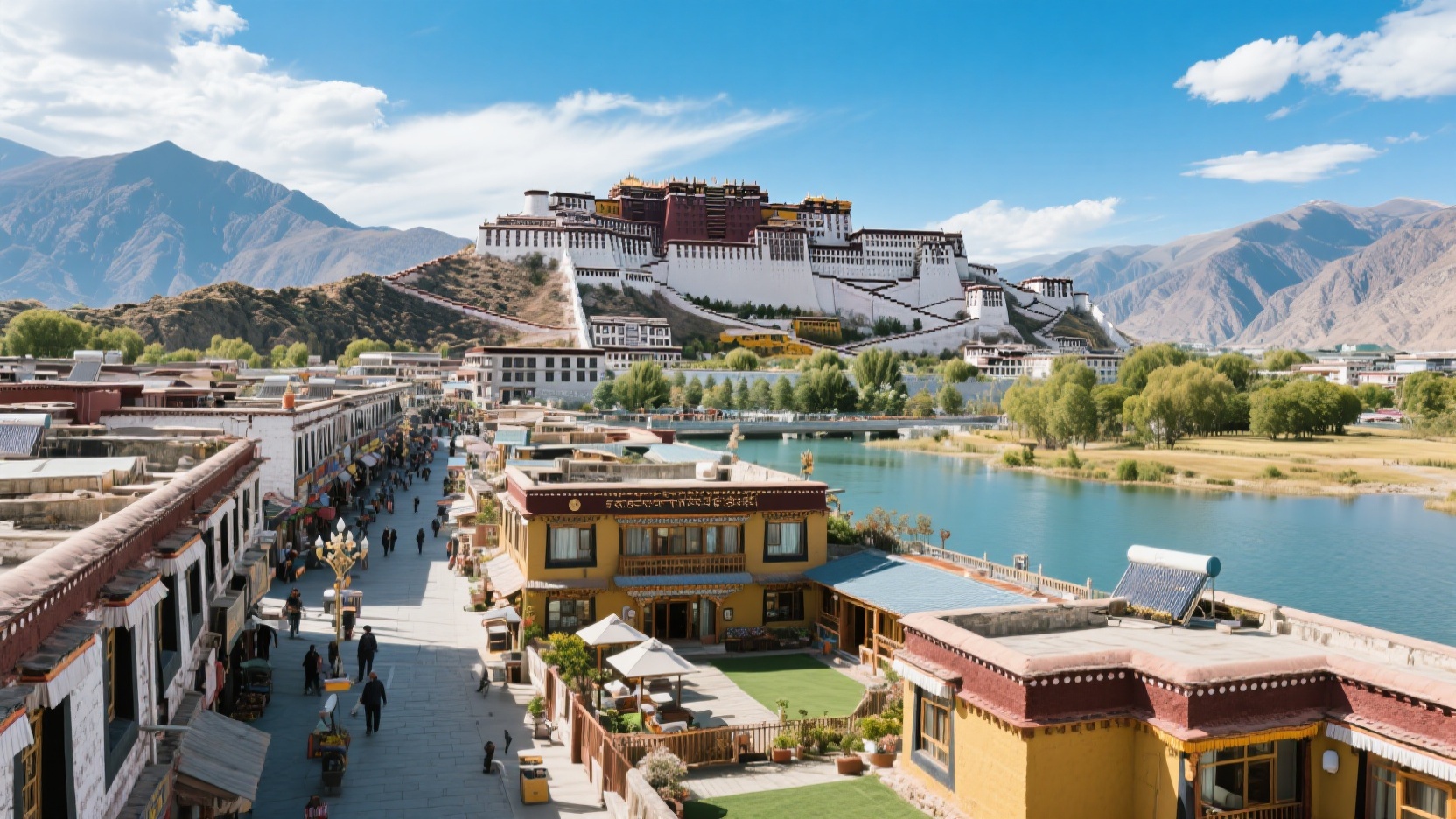
Accommodation in Lhasa is more than just a place to sleep; it directly impacts your altitude acclimatization pace and daily sightseeing routes. Vehicles are restricted in the old city center, the opposite bank of the river is quiet but commutes are time-consuming, and scenic areas offer great views but might cost you extra money for a single photo. Below, we break down the most suitable areas for accommodation into four budget tiers.
Budget-friendly: Xianzu Island and the alleys surrounding Barkhor Street
Suitable for: Backpackers, long-term travelers, and budget travelers who don't require private bathrooms or high soundproofing. Xianzu Island, located on the south bank of the Lhasa River, is home to numerous family-run guesthouses and hostels, making it a popular initial stop for many Lhasa residents. The relaxed atmosphere makes it ideal for resting and acclimatizing after arriving in Tibet. The alleys surrounding Barkhor Street are on the edge of the old city's core, about a 10-minute walk from Jokhang Temple, suitable for those who budget for entrance fees and long-distance car hire. Transportation: Xianzu Island is about 3 kilometers from the old city, easily accessible by public transport and shared electric bikes. A taxi to the Potala Palace takes about 15 minutes. The outer area of Barkhor Street can only be accessed on foot or with luggage; motor vehicles cannot reach it directly. Returning late at night requires navigating dark alleys. Amenities: Xianzu Island has community supermarkets, Tibetan restaurants, and laundromats, offering a vibrant local atmosphere. The outer area of Barkhor Street is densely populated with teahouses, convenience stores, and Tibetan clothing rental shops, providing convenient dining options. Tips to avoid pitfalls: Wooden structures in old alleys generally have poor sound insulation, and conversations next door and footsteps on the stairs will be amplified at night; family-run guesthouses raise prices significantly during peak season, and some room types do not have private bathrooms, so be sure to confirm heating, hot water, and the orientation of doors and windows when booking.
Comfort type: Along the route from Yutuo Road to Duoseng Road
Suitable for: First-time visitors to Tibet, those who prioritize hygiene and convenient transportation, and those wishing to walk between the Potala Palace and Jokhang Temple. This area is Lhasa's traditional commercial center, with a concentration of mid-range chain hotels and Tibetan-style business hotels offering relatively standard service and less chance of disappointment. Transportation: Approximately an 8-minute walk to Jokhang Temple and a 15-minute walk to the Potala Palace. The airport bus stop is located at the east end of Yutuo Road, and nearby bus lines cover major attractions. Amenities: A high density of chain pharmacies, supermarkets, Sichuan restaurants, and Tibetan restaurants, making it convenient for supplies or emergencies at the beginning of your trip. Cautions: Street-facing rooms are heavily affected by car horns and shop announcements; it's recommended to request rooms on a back street or on a higher floor. Prices rise rapidly during peak season, and parking is scarce; drivers should confirm parking availability before booking, otherwise finding parking in the old city can be exhausting.
Quality-oriented: Boutique courtyard houses in Barkhor Street and guesthouses along the Lhasa River
Suitable for: Travelers willing to pay a mid-to-high budget for Tibetan-style courtyards, architectural details, and a tranquil atmosphere; those who appreciate aesthetically pleasing accommodations but don't crave chain luxury. The boutique courtyards in Barkhor Street are mostly converted from old houses, preserving the traditional Tibetan-style flooring, carved wooden lintels, and central courtyards. Some top-floor rooms offer views of the Jokhang Temple's golden roof. Boutique guesthouses along the Lhasa River are known for their quietness and oxygen-rich facilities, ideal for those needing deep rest after a day of sightseeing. Transportation: Barkhor Street courtyards require walking from the outskirts of the old city. Hotels usually offer luggage pickup, but daily access is primarily on foot. Guesthouses along the Lhasa River are about a 15-minute taxi ride from the old city, with faster taxi hailing during off-peak hours. Amenities: Barkhor Street boasts independent cafes, Tibetan incense shops, and creative cultural spaces, perfect for leisurely strolls. Dining options around the riverside guesthouses are limited, with most relying on guesthouse catering or takeout. Avoid these pitfalls: Tibetan-style old houses have weaker insulation and soundproofing than modern hotels, and some rooms may have the smell of yak butter or Tibetan incense, so those with a sensitive sense of smell should choose carefully; rooms on lower floors may be damp, so confirm the orientation, oxygen supply and humidification equipment when booking.
High-end experiential: Potala Palace viewing area and Cijuelin area
Suitable for: Tourists primarily traveling for photography, vacations, and anniversary celebrations, willing to pay a premium for scenic views and privacy. The Potala Palace viewing area is concentrated from Lalu Wetland to Norbulingka Road, with some high-rise hotels offering rooftop terraces where the Potala Palace and city skyline are framed together at sunrise and sunset. Cijuelin, located on a plateau on the south bank of the Lhasa River, offers panoramic views of both the Potala Palace and the nighttime performance of "Princess Wencheng," providing a more expansive vista. Transportation: The Potala Palace viewing area is the most convenient, with the Potala Palace, Norbulingka, and Barkhor Street all within a 15-minute drive. Cijuelin relies heavily on hotel shuttles or ride-hailing services, with limited availability after evening performances. Amenities: The viewing area boasts a variety of consistently high-quality restaurants and boutiques; Cijuelin has fewer commercial amenities, making hotel dining more suitable. Tips to avoid: Rooms with views see the biggest price increases during peak season, and some older hotels are slow to update their facilities, so check reviews from the past month before booking; Cijuelin is at a slightly higher altitude than the old city, so it's not advisable to check in there immediately upon arriving in Lhasa, as the mountain roads are winding and late at night, so it's recommended to prioritize accommodations with pick-up and drop-off services.
There is no absolutely best area for accommodation in Lhasa, only the place to stay that best matches your itinerary. First, determine your main travel routes, such as the Potala Palace, Jokhang Temple, Namtso Lake, or Yamdrok Lake, and then choose an area based on your daily return time and mode of transportation. This can significantly reduce unnecessary travel due to altitude sickness.