
For a cultural and arts trip to Hong Kong, is West Kowloon or Sham Shui Po more worthwhile?
Many readers get stuck on the same question when planning their Hong Kong trip: all three are called "cultural and arts districts," so how do you choose between the West Kowloon Cultural District, Central Gallery Street, and Tai Nan Street in Sham Shui Po? This article compares the "must-see" places in common travel guides with the places that locals actually visit, helping you determine which places are worth making a special trip for, which are just passing by, and which places to prioritize when time is tight.
West Kowloon Cultural District vs. Tai Nan Street in Sham Shui Po: Landmark Check-in or Street Stroll?
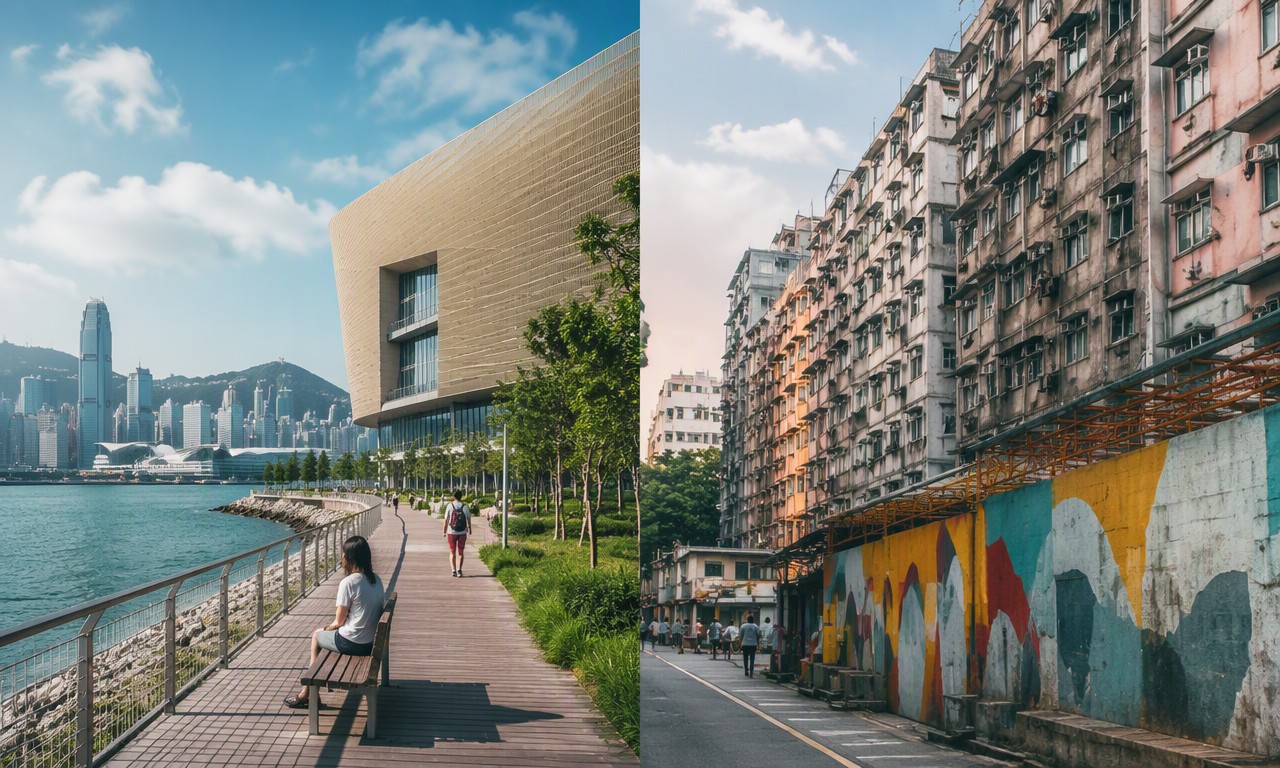
Most travel guides will tell you that the West Kowloon Cultural District is Hong Kong's new cultural and artistic landmark, and that M+ and the Hong Kong Palace Museum are must-sees. However, West Kowloon is actually more suitable for first-time visitors to Hong Kong who want to experience modern visual culture and Victoria Harbour views in half a day. Its exhibition halls are large enough and the layout is clear, but the downside is that it gets crowded on holidays, which can diminish the exhibition experience. Tai Nan Street in Sham Shui Po is a popular hangout for local artists, with independent bookstores, leather workshops, and small exhibition spaces scattered among fabric shops and old tenement buildings. If you only have one afternoon, I would suggest: go to West Kowloon if you have specific expectations for art museums, and go to Sham Shui Po if you want to see a slice of real life for young people in Hong Kong.
M+ Museum vs. Oil Street: Large-scale collection or limited experiment?
Most guides list M+ as the top choice for contemporary art in Hong Kong, and it is indeed a comprehensive and ambitious curatorial institution in Asia. However, M+ is actually suitable for viewers willing to spend at least three hours and interested in visual culture and design. If you're not used to seeing major exhibitions, you might easily get tired in the latter half. Oil Street Reality is a small art space in North Point that frequently hosts residency programs and community engagement projects. The exhibits may not be "beautiful," but you can often encounter ongoing creative endeavors. Recommendation: If you're short on time and can only choose one place, M+ is more suitable for most people; if you've already seen many large museums, Oil Street Reality's local atmosphere is more valuable.
The Hong Kong Palace Museum vs. the Hong Kong Museum of Art: The choice between admission and free admission
Most travel guides highly recommend the Hong Kong Palace Museum because it's new, generates a lot of buzz, and its exhibits come from the Palace Museum. However, the Hong Kong Museum of Art is actually located on the Tsim Sha Tsui waterfront. Its permanent exhibitions are free, and special exhibitions are also reasonably priced. Its collection covers Chinese paintings and calligraphy, export art, and modern Hong Kong art. It's less crowded and quieter, often resulting in a better viewing experience. The Hong Kong Palace Museum is suitable for those with a strong interest in imperial artifacts and Ming and Qing dynasty crafts; the Hong Kong Museum of Art is better for those who want to experience the local art scene in Hong Kong on a budget. If budget is limited, I would lean towards prioritizing the Hong Kong Museum of Art.
H Queen's Gallery Group in Central vs. South Island Art District in Wong Chuk Hang: High-end Commercial or Industrial Transformation?
Most travel guides mention H Queen's in Central, a building housing multiple international galleries, offering free exhibitions and convenient transportation. While it boasts frequent exhibition changes and an elegant space, making it suitable for those with limited time who want to experience the international art market atmosphere, the works tend to cater to commercial gallery tastes and may not offer in-depth exhibitions. The South Island Art District in Wong Chuk Hang, transformed from old industrial buildings, has galleries scattered across different floors, making it a bit tricky to navigate but often featuring unexpected solo exhibitions. My assessment is: Central is suitable for "casual visits," while Wong Chuk Hang is better suited for "dedicated visits." If you only have two days, the Central building is sufficient.
Jockey Club Creative Arts Centre vs. Nan Fung Textile Mill: How to choose the revitalization option for old factory buildings?
Most travel guides list these two old factory revitalization projects, but few explain the differences. The Jockey Club Creative Arts Centre in Shek Kip Mei retains the old factory layout, with a raw and authentic space, housing local artists' studios and often hosting small markets and open studios on holidays. The Nan Fung Textile Factory in Tsuen Wan has been renovated into a more refined and commercialized space, with a higher proportion of restaurants and shops; art exhibitions are only one part of it. Those who want to experience the local creative ecosystem and don't mind a simple environment should go to Shek Kip Mei; those traveling with elderly people or children and need comfortable rest areas and dining options should go to Nan Fung Textile Factory. Both are free, but the experiences are completely different.
Tai Kwun vs. Blue House: Colonial Architecture or Living Fossils of the Community?
Most travel guides tout Tai Kwun as a must-see cultural landmark in Central. Formerly a police quarters and prison, the building has been meticulously restored, with a permanent exhibition telling its history and frequent performances in its outdoor plaza. However, Tai Kwun is increasingly resembling a high-end commercial complex, with crowded dining and event areas on weekends, making it suitable for those with limited time who want to see both architecture and exhibitions in one visit. The Blue House, located in Wan Chai, is a group of residential buildings that retain their traditional tenement building style. Residents still live there, but visitors can only tour the ground-level public spaces. It's best suited for those with patience for Hong Kong's community history and residential culture. If time is tight, Tai Kwun should be prioritized, but if you're interested in a "less polished" Hong Kong, the Blue House offers a more authentic experience.
Fringe Club vs. Cattle Depot: Central's Convenience or Kowloon's Deeper Reach?
Most travel guides mention the Fringe Club, a red-brick corner building in Central with a distinctive exterior and small exhibition and performance spaces. In reality, the Fringe Club is suitable for taking photos while passing by and popping in a mini-exhibition, but it's not worth making a special trip for. The Cattle Depot Art Village, located in To Kwa Wan, was formerly a slaughterhouse. It has a spacious, rough-hewn environment and houses several artist studios, but its opening hours are unpredictable, and many spaces require reservations. My assessment is: if you're short on time, just stop by the Fringe Club; only those with a passion for contemporary art and a willingness to try their luck should visit the Cattle Depot. Neither is a priority for a Hong Kong cultural and arts tour.
Hong Kong Park Tea Ware Museum vs. Hong Kong Maritime Museum: Indoor Cool-Off Retreat or Thematic Exploration?
Most travel guides rarely include the Hong Kong Tea Ware Museum on their must-see lists. Hidden in Hong Kong Park, it's free to enter, and the building itself was formerly the British Command Headquarters. It's actually quite quiet and less crowded, with a small but exquisite collection of tea wares, perfect for a rainy day or a cool afternoon. A half-hour visit is sufficient. The Hong Kong Maritime Museum, located at Central Pier, is affordable and tells the complete history of Hong Kong as a port, suitable for those interested in urban development and maritime trade. If you're traveling with parents and don't want to walk too much, the Tea Ware Museum is a more relaxed option; if you have a systematic interest in Hong Kong history, the Maritime Museum is more worthwhile. You can flexibly choose between the two depending on the weather and your physical condition.