
The ultimate guide to slow travel in Hefei | A 5-day, 4-night trip with parents: a hands-on experience avoiding common pitfalls + 20 packing tips (for senior citizens)
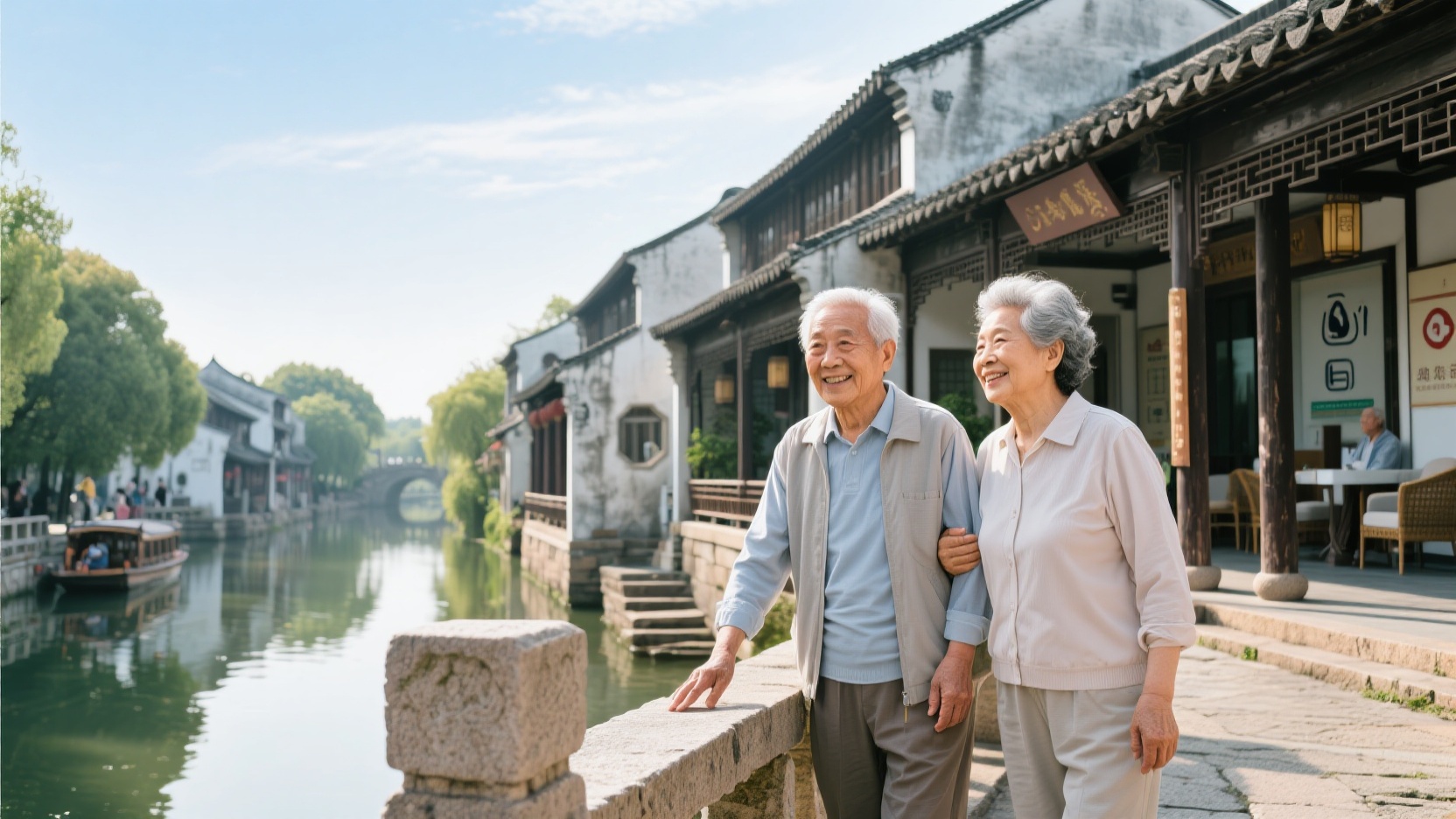
This is the third time I've brought my parents to Hefei. The first two times, the itinerary was too much like a checklist, and by the afternoon of the second day, the two elderly people were eager to return to the hotel, their legs swollen, their backs tired, and they didn't even want to eat dinner. This time, we changed it to a 5-day, 4-night ultra-slow tour with "one stop every half day and a two-hour nap at noon." In practice, the two nearly 70-year-old elders didn't complain of being tired at all during the entire trip. Below, I'll explain the route, elevator access, toilet density, walking distance, and driving distance to nearby hospitals when taking seniors on a slow tour of Hefei.
First, consider three things when choosing a hotel: elevator, hospital accessibility, and the route back to the hotel for a midday rest.
There are many newly renovated mid-range hotels in Hefei's old city area with high elevator coverage, but before booking, you should still confirm whether the room has a shower bench or a borrowable shower chair, and whether there are accessible ramps in public areas. I don't recommend staying in the pedestrian street, as some hotels converted from old buildings have small elevators and steps at the entrance, making them inconvenient for wheelchairs and walkers. A safer option is to choose a location along the subway line or near the city park, within a ten-minute drive of a level-two or higher hospital. This distance isn't meant to create anxiety, but rather to allow for quick treatment of any blood pressure fluctuations or gastrointestinal discomfort experienced by the elderly during their leisurely stroll. Ideally, the hotel should include breakfast to reduce the walking distance for finding food in the morning. Returning to the hotel for a two-hour nap after lunch each day, and then going out again at 3 pm, is the key to a less tiring leisurely trip.
When choosing a room type, don't just look at king-size beds. If you're traveling with parents, consider twin or family rooms so they won't disturb each other when getting up at night. Make sure the air conditioner vents don't blow directly on the head of the bed, and that the bathroom has a separate wet and dry area with non-slip floors. If an elderly person has mobility issues, call the hotel in advance to ask if they have a spare wheelchair or if the front desk can collect assistive devices. Most mid-range hotels in Hefei offer good service, but the number of accessible rooms is limited, so make sure to book in advance during peak season.
II. 5-day, 4-night extremely slow-paced itinerary: visiting only one core point each day.
Day 1: No sightseeing is planned upon arrival. In the afternoon, check into the hotel and take a 20-minute walk within 500 meters along the city park or community greenway to familiarize yourself with the entrances to pharmacies, supermarkets, and hospitals. After dinner, soak your feet in your room; no night market visits.
Day 2: In the morning, we visited Bao Park, only going to Qingfeng Pavilion and the relatively accessible Bao Gong Temple area. We entered from the south gate; the paths were gentle and the restrooms were plentiful. We had a light lunch nearby and then returned to the hotel for a rest. After 3 PM, we went to Xiaoyaojin Park, only walking along the main path halfway around the lake, without climbing any hills. We returned to the hotel in the evening.
Day 3: Choose between an ancient town or a hot spring; details will follow.
Day 4: Morning at the new Anhui Provincial Museum, which has elevators, air conditioning, water dispensers, and restrooms on each floor. Visit only one permanent exhibition, keeping it to within an hour. After lunch break, visit Swan Lake in the afternoon, walking slowly along the railinged path, not circling the entire lake.
Day 5: In the morning, buy souvenirs near the hotel, pack your luggage, and check out at noon. If your return ticket is in the evening, you can visit Luzhou Park or a nearby community park, but do not enter the major scenic areas.
III. How to choose between "Ancient Town/Hot Spring" on the third day?
If your elders are physically capable and willing to walk on flat ground, choose Sanhe Ancient Town. However, avoid visiting all the smaller attractions; simply walk along the main cobblestone street by the river, turning back when you see an arched bridge. Keep the entire walk under forty minutes. Toilets are reasonably distributed within the ancient town, but some alleyways have steps, making wheelchair access difficult. If your elderly relative has knee problems, skip the ancient town and go to a hot spring instead. Hot springs around Hefei are a bit further away by car, but indoor facilities have elevators or single-level changing areas, and the water temperature is not high, suitable for a slow soak. Remember to drink water after soaking for twenty minutes and avoid continuous soaking.
Based on my personal experience, I would recommend the "hot spring option" for the third day. The Sanhe Ancient Town is most crowded during holidays, and the stone paths can be slippery after rain, making it easy for older people to get tired. A hot spring, on the other hand, allows you to sit and relax, and you can even take a nap back at the hotel. When traveling with parents, it's not necessary to "go to the ancient town"; comfort should be the priority.
IV. Eating and using the restroom: Two hidden concerns for the elderly
Hefei cuisine tends to be salty and oily, so when dining with parents, you should proactively request "less salt, less oil, and no spice." It's recommended to choose Chinese chain restaurants with private rooms or booths—offering comfortable seating, hot tea, and convenient restrooms. Avoid queuing for popular street food stalls, as elderly people tend to get impatient after waiting more than ten minutes. Have breakfast at the hotel each day, and keep lunch within a ten-minute walk. Make sure to use the restroom before leaving the house after your afternoon nap.
The density of toilets in Hefei's parks and museums is generally good, but most subway station toilets are outside the paid area; it's advisable to ask staff before entering the station. At each location, the first thing to do is confirm the toilet's location and whether it has a toilet seat. Elderly people have smaller bladders, so don't wait until you need to go to find one. Carry a pack of tissues and disinfectant wipes, as some scenic spots have a limited number of accessible or third-gender toilets.
V. Blogger's Summary + 20 Items for Seniors' Travel Packing Checklist and 5 Categories of Commonly Used Medications
In summary, the key to this 5-day, 4-night trip wasn't the number of places we visited, but rather making the "two-hour lunch break" a fixed part of the itinerary. Hefei's old city is flat, with many parks and nearby hospitals, making it suitable for seniors to explore at a leisurely pace. As long as you control your walking distance and avoid rush hour and peak tourist seasons, taking your parents to Hefei is easier than you might imagine. The following list is recommended to be saved as a screenshot.
Packing list (20 items): 1. Original ID card and medical insurance card; 2. Summary of chronic disease medical records; 3. One week's worth of medicine in individual packs; 4. Blood pressure monitor or blood glucose meter; 5. Two pairs of non-slip soft-soled shoes; 6. Folding walking stick or trekking poles; 7. Knee pads and elastic socks; 8. Lightweight jacket and thin scarf; 9. Thermos cup; 10. Small packs of tissues and wet toilet paper; 11. Disinfecting wipes; 12. Toilet seat covers; 13. Folding shopping bags; 14. Several plastic bags; 15. Power bank and long data cable; 16. Reading glasses and spare glasses; 17. Spare batteries for hearing aids; 18. Commonly used eye drops; 19. Night light; 20. Family contact card in the outer bag.
Five categories of commonly used medications to remind you: First, cardiovascular and antihypertensive medications should be carried in their original packaging and not checked in. Second, gastrointestinal medications, as Hefei cuisine tends to be salty, which can cause bloating or constipation in the elderly. Third, joint and topical ointments, to be applied after hot springs or walking. Fourth, cold and fever reducers and cough suppressants, as there are significant temperature differences between indoors and outdoors during seasonal changes. Fifth, antihistamines and quick-acting heart medications or nitroglycerin; if you have a relevant medical history, these must be kept close to your body. Do not pack all medications in one suitcase; it is recommended to divide them into carry-on bags and hotel safes.