
How to choose Hangzhou souvenirs without making a mistake?
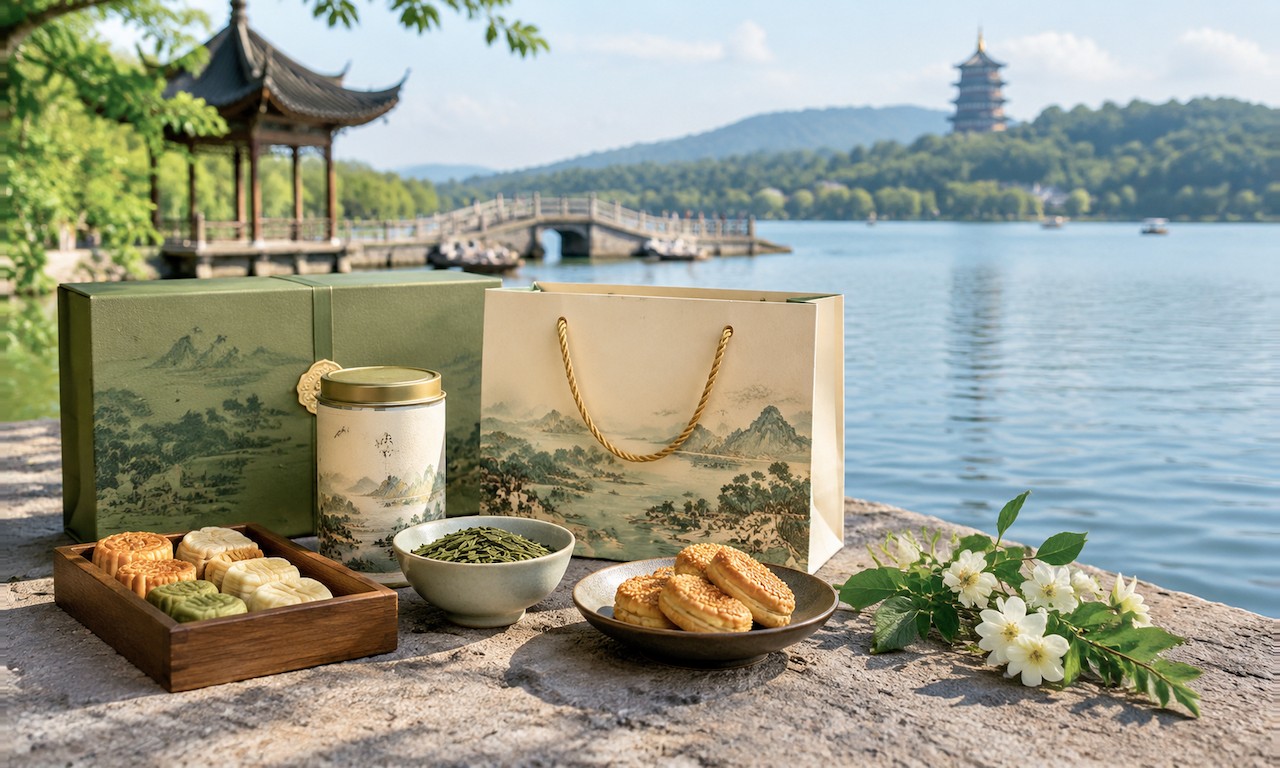
When buying souvenirs in Hangzhou, the biggest headache isn't "what to buy," but rather "whether the recipient will actually use it." Gifts to superiors might not be classy enough, gifts to elders might not suit their tastes, gifts to colleagues might be too expensive and burdensome, and taking them home for personal consumption always raises concerns about buying tourist traps. This article compiles the most frequently asked gift-giving dilemmas from readers before their trips, providing judgment and matching strategies for each. It avoids a comprehensive list, focusing instead on what's suitable for which recipient, why it's suitable, and specific matching methods.
Gifts for superiors: How to choose a gift that is respectable but not too flashy?
When choosing a gift for a superior, a core principle is to be "reputable but understated." Avoid overly large, poorly packaged gift boxes, especially those cheap tourist souvenirs that are mostly filled with filler; they easily come across as perfunctory. A safer approach is to choose something with a clearly identifiable origin and that is practical for everyday use. Handmade Longjing tea from the Shifeng or Meijiawu production areas is a safe choice in the mid-to-high-end range. As long as the source is reliable, even if the recipient doesn't drink tea, they will appreciate the significance of the gift. Pairing it with a plain folding fan from Wangxingji not only echoes Hangzhou's regional identity but also adds a layer of cultural refinement compared to simply giving tea.
If your budget allows, consider the "tea and teaware" approach: a mid-to-high-end pre-Qingming Longjing tea paired with a small Longquan celadon tea caddy or tasting cup. Avoid glittering gold gift sets; the simpler the design, the more tasteful it appears. What leaders fear most when receiving gifts is being looked down upon or over-interpreted, and Hangzhou's gifts perfectly embody both elegance and sophistication.
When giving gifts to elders: besides being presentable, practicality should be the most important consideration.
Elders have different standards for judging gifts than younger people; they value whether the items are edible, practical, and suitable for everyday life. Zhiweiguan's pastry gift boxes are a popular brand among Hangzhou locals, but be careful with the selection. Sweeter items like Dingsheng cake and lotus flower pastry may not suit all elderly people. A safer choice is Wanlong's braised duck or ham series. Braised duck is a staple on Hangzhou family tables, savory and delicious, ready to be sliced and served immediately upon arrival.
If your elders regularly drink herbal teas or health-promoting teas, you can add a small can of Hangzhou white chrysanthemum tea, but you should know whether they drink it or not. Don't add things just to make up the numbers. Elders will be happier receiving two things they actually use than five things they'll just hoard in a cupboard. The idea is to have "one that goes well with meals + one that's good for everyday brewing"—simple and straightforward.
How to give gifts to colleagues without making it seem cheap or inexpensive?
When giving gifts to colleagues, the most important thing is to keep it "unburdensome." If it's too expensive, the recipient will feel pressured to reciprocate; if it's too cheap, it might seem like a casual gesture. A better approach is to choose affordable items with local characteristics that are easy to share in the office. Traditional, freshly made pastries like Jiangnan Chun's "Tiao Tou Gao" and "Fang Gao" are perfect. Wrapped in parchment paper, they're easy to share with colleagues, and the taste is much better than supermarket brands.
For a more elegant touch, you can offer a smaller set of "pastry and tea bags," such as a few pieces of Ding Sheng Gao (a type of sweet rice cake) with a few packets of simple tea bags from a local tea plantation. Avoid giving gifts like scarves or decorative items, as these are items that reflect individual tastes and are best suited for an office setting. A budget of just a few dozen dollars per person allows you to show thoughtfulness without going overboard.
Take them home to eat yourself: Which ones truly have a better local flavor than those sold in tourist areas?
If you're buying for yourself, the first thing to avoid is the ubiquitous "Longjing Pastry" and "Osmanthus Cake" sold freshly baked on Hefang Street, all of which taste the same. What's truly worth bringing home are the traditional flavors that locals regularly detour to buy. Jiangnanchun's double-stuffed dumplings, Zhiweiguan's semi-finished fresh meat xiaolongbao, and Caizhizhai's sesame brittle are all perfect for sharing with family.
If you have someone in your family who enjoys tea, consider buying some high-quality loose-leaf Longjing tea. Don't worry about getting the first harvest before the Qingming Festival; pre-rain tea is more cost-effective for personal consumption. Pair it with a packet of dried bamboo shoots or dried plums, a common local food, which will be useful for cooking and more substantial than any fancy snack gift box. This combination might cost less than a large gift set from a tourist attraction, but the satisfaction of bringing it home is completely different.
Limited budget: How to put together two or three inexpensive items to make a decent gift?
Having a limited budget doesn't mean you can only buy cheap things; the key is the "logic of combination." A thoughtful gift can consist of two inexpensive to mid-range items. For example, a small box of Zhiweiguan Dingsheng cake paired with a bag of Longjing tea from a local tea plantation. The total price isn't high, but the recipient will feel that you've put thought into the gift.
Another approach is to use a "main item + side item" combination: pair one slightly more expensive item (such as a small portion of Wanlong braised duck) with one inexpensive item (such as a packet of dried osmanthus flowers or lotus root starch). Don't force the quantity; two quality items are far better than five cheap ones. The key is to think clearly before you buy: "Which item will the recipient eat first, and which is the side dish?" With this judgment, even inexpensive items can give a mid-range feel.
Tea, silk, pastries: What should you prioritize when visiting Hangzhou for the first time?
These three categories are the "old three" of Hangzhou souvenirs, but they are suitable for completely different occasions. Tea is the most universal; as long as you are not completely ignorant, buying the right region and grade will generally not be a mistake, and you can't go wrong giving it to anyone. Pastries are the most affordable, but they have a short shelf life, and the taste is greatly affected by transportation, making them suitable for giving to nearby colleagues and friends or for personal consumption. Silk requires the most caution because of the huge information gap; without reliable channels, it's easy to end up paying a high price for ordinary goods.
If I could only choose one, I'd suggest prioritizing tea. Longjing tea boasts unparalleled brand recognition and acceptance among all Hangzhou souvenirs. As long as you don't go to those overpriced shops in tourist areas, buying a mid-range bottle of Lion Peak or Meijiawu Longjing is a safe bet. Save silk for occasions you're confident about or where the recipient clearly prefers it. Pastries play a supporting role, adding a touch of elegance.
What are some options for bringing something that has a cultural feel but isn't old-fashioned?
Many people think that Hangzhou's cultural products are limited to "tourist attraction" items like oil-paper umbrellas and silk fans. However, in recent years, there have been more youthful options available. The incense sachets and plain bookmarks from Lingyin Temple are typical examples; their designs are restrained and understated, suitable for gifting to peers or slightly younger elders. Another option is modern illustrated postcards or notebooks with a West Lake theme, which can be found in some independent bookstores in the area.
These kinds of small items are perfect for pairing with food. For example, a pack of Zhiweiguan qingtuan (a type of glutinous rice dumpling) paired with a Lingyin sachet evokes the seasonal feel of Hangzhou without making it seem like you're just adding something to the mix. The core of cultural appeal isn't "printing West Lake on it," but rather choosing items that have practical uses and whose designs aren't overly flashy.