
Haikou Alley Carb Guide | A Local Non-Celebrity List That I Only Dare to Submit After Three Trips (Including Things to Avoid)
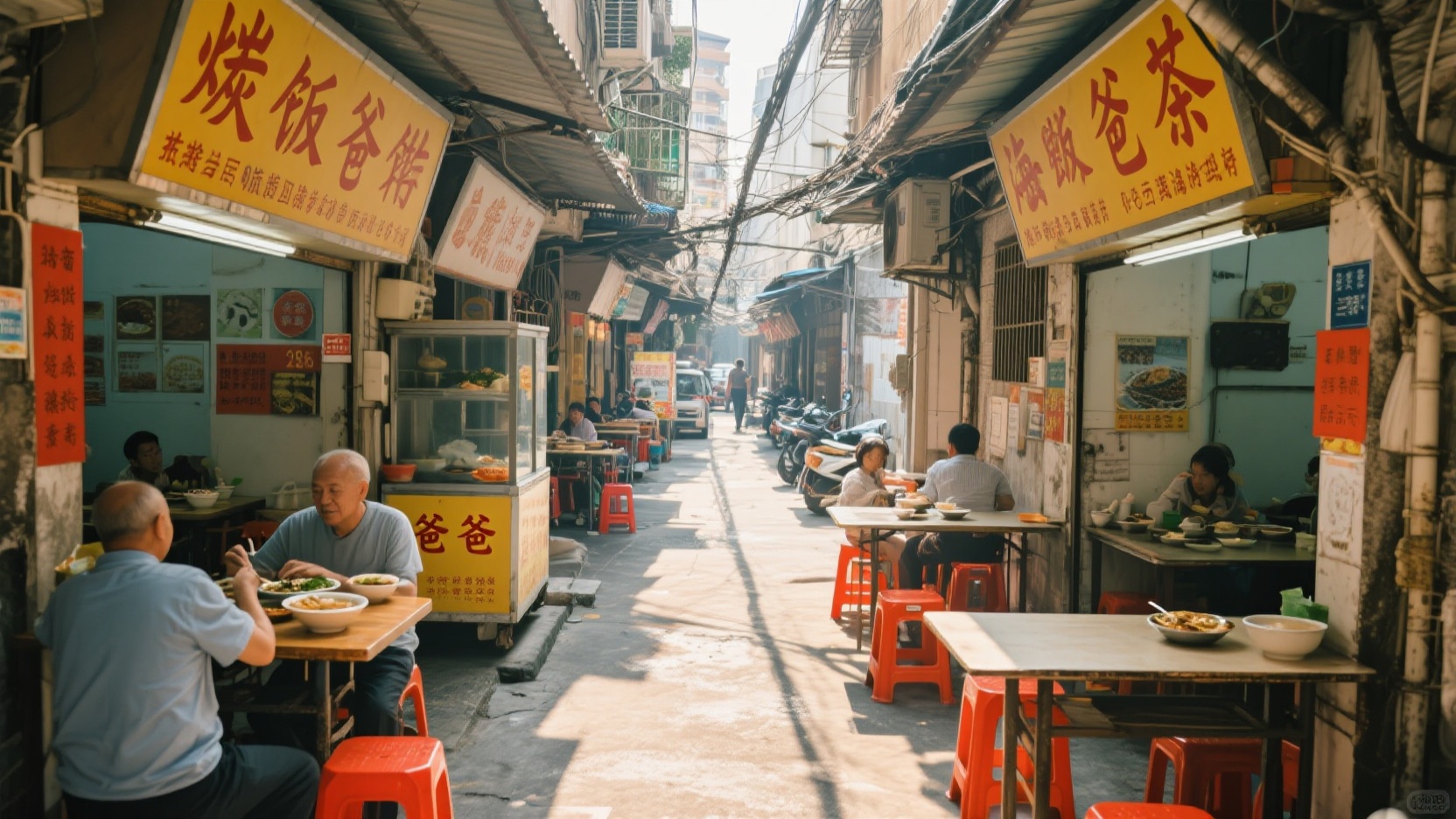
On my third trip, after exiting Haikou Meilan Airport, I dragged my suitcase straight into an unnamed alley on Haidian Island. My first two trips had been a bit of a disappointment: one, I followed the must-eat list and tried three places, only to find that the Hainan rice noodle shop with the longest queue had changed its gravy to a sweeter, tourist-pleasing flavor; the other, I took a taxi to a highly-rated restaurant on a review site, only to be met with a local uncle next door who glanced at me and said, "We never go there." So, on my third trip, I changed my approach, simply following people wearing flip-flops, riding electric scooters, and carrying aluminum lunchboxes. This is how I compiled this list of non-trendy restaurants in Haikou. None of the eight shops were on the must-eat list; they were basically catering to local residents.
I. Breakfast Section: After two bowls of noodles, you finally understand what a morning in Haikou is like.
The first shop is located in the back alley of the Sandong Road vegetable market on Haidian Island. Before 7 a.m., plastic stools are already placed on the steps of other people's houses. It has no sign; locals just say, "Go to Grandpa's for rice noodle soup." The broth for this rice noodle soup is slowly simmered with pig's head bones and peppercorns. It's not too white or thick, but it has a very direct and spicy aroma. The signature order is rice noodle soup with rice intestines and lean meat. You should ask the rice intestines to be "chewy." When it's served, the rice intestines are crisp, the lean meat is tender, and there are a few fried garlic cloves floating in the soup. You can also buy barley cakes from the old lady at the alley entrance next door. The coconut filling isn't too sweet, so it's perfect to take one with you on the go. It costs about ten yuan per person, and they only serve until 10:30 a.m. If you're late, there won't even be any soup left.
The second shop is tucked away at the entrance of an alley in Fucheng's Xiuyifang neighborhood. The shop sign is covered in grease and simply says "Hainan Rice Noodles." The Hainan rice noodles here are on the thinner and softer side, the broth is hot with a hint of lard, the peanuts are freshly fried, and the beef jerky is homemade, with a sweet aftertaste. My personal favorite way to eat it is to order a small bowl of dry-mixed noodles, then ask the auntie to add half a spoonful of yellow lantern (a type of dried fruit), mix it all together, and serve with a bowl of clear broth. You can also buy freshly ground coffee milk nearby; it comes in a plastic cup with a straw, and the bitterness perfectly balances the sweet broth. A meal like this costs only a dozen yuan per person, yet it feels more like a typical morning in old Haikou than many large restaurants.
2. Lunchtime Duo: Braised Pork Trotters and Beef Brisket – Only neighborhood stores dare to offer half-fat and half-lean options.
The third stall is a pork trotter rice stand in the old Bo'ai South community. A deep pot sits at the entrance, constantly emitting a savory aroma. However, it's not on the main road; you have to turn into a narrow alley only wide enough for electric bikes. The pork trotters here aren't the glossy, dark kind; they're simply boiled and dipped in local shrimp paste, the fat between the skin and meat rendered out of grease. Don't just order lean meat; ask for the "half-fat, half-lean front trotter," served with a side of taro stems and a bowl of chicken oil rice. The owner, an elderly gentleman in his seventies, will ask first-time visitors, "Do you like shrimp paste?"—this is the shop's secret code. Grab a bottle of salted lemonade from the small shop across the street; the salt and sour flavors perfectly balance the richness of the pork trotters. It costs around twenty yuan per person.
The fourth shop is located diagonally opposite the demolition area on Yanzao Road. The surrounding buildings are all old, but it's still packed by 11:30 am. They sell beef brisket rice; the brisket, with tendons, is stewed until tender but not mushy. The sauce doesn't look very dark, but the flavor has permeated it. The signature order is beef brisket rice with pickled cabbage and soup of the day, topped with a small spoonful of shallot oil. The best cut is half lean and half fat brisket—the tendons are chewy, and the fat melts in your mouth. If you're passing by, buy some sweet potato noodles from the dessert shop next door. The auntie will drizzle a spoonful of ginger juice on top. After finishing the beef brisket, have a bowl of sweet potato noodles—it'll make you feel completely refreshed. This shop closes down as soon as they sell out for lunch, so don't go at 1:30 pm.
3. Afternoon Tea: The old-fashioned tea stall without a menu only gets into the swing of things at 3:30 pm.
The fifth shop is located in Lane 2, Renmin West Lane, Haidian Island. Strictly speaking, it's not a shop, but a tea stall converted from a resident's ground floor. There's no sign or QR code for ordering. As soon as the steamer cart is pushed out at 3:30 PM, the uncles and aunties reach in and grab what they need. The pandan buns are a hot seller; the dough has a subtle pandan aroma, and the filling is coconut flakes and crushed peanuts. It's best eaten hot. Don't just focus on the pastries; the iced lemon tea is the star. The tea base is so strong it's almost bitter, so you have to add syrup yourself. You can also buy fried sweet potato chips next door—thin, crispy, and savory—a perfect contrast to the sweet buns. It costs around ten yuan per person, and you can sit there for an entire afternoon.
The sixth stall is near the old stage outside the West Gate, a dessert cart that only opens at 8 PM. The owner only sells five or six items. The ginger milk curd is made to order, and you have to wait three minutes before uncovering it. The chicken-dung vine dessert is made with fresh chicken-dung vine leaves rolled into strips, giving it a subtle grassy flavor, and it's especially warming when paired with brown sugar and ginger soup. Many people come to Haikou only for Qingbuliang (a type of sweet soup), but the regulars at this stall come specifically for the chicken-dung vine. Next door, you can buy grilled sugarcane from a barbecue stall; the outer skin is slightly charred, and the juice inside is even sweeter. The price is very affordable, ranging from single digits to a dozen yuan per person.
IV. Late-night snack: Spicy soup rice and pickled noodles are the perfect way to finish off the old Haikou palate.
The seventh shop is located at the entrance of Zhendong Street. It only opens for dinner, with a large pot simmering from afternoon until late at night. The spicy soup rice isn't actually spicy; it's the spiciness of pepper and the freshness of pork offal. The broth is clear but packed with ingredients—pig's blood, heart, and tongue—each spoonful sinking to the bottom. Ordering a small bowl of spicy soup rice, along with sausage and a fried egg, is the standard meal for the neighborhood uncles after their night shifts. Don't go during peak hours; after 10 PM, it's less crowded, and the soup is richer. Grab some chilled chrysanthemum tea from the convenience store across the street to counteract the peppery heat. It costs around twenty yuan per person.
The eighth stall is located at the entrance of the resettlement community on Wuxi Road, Haidian Island. It appears every night after 10 PM and only sells pickled noodles for two hours. The owner's lard and garlic oil are incredibly fragrant, and the noodles are thin alkaline noodles that are glossy but not sticky after mixing. When ordering pickled noodles, be sure to add a spoonful of garlic oil and a little red vinegar, and pair it with a bowl of seaweed and egg drop soup. Next door, there's a pushcart selling hot sugarcane juice, which is refreshingly sweet but not cloying—perfect for heading back to the hotel. This stall has no seats; you can only sit on a plastic stool by the flower bed. With the evening breeze blowing, this is the most authentic late-night snack experience in Haikou.
After three visits, my deepest impression is that the truly delicious restaurants in Haikou are often not on the lists, but hidden in the rhythm of "only making one pot" and "closing down when sold out." Here are three tips to avoid pitfalls: First, don't go during peak meal times. These old shops have limited stock, and many signs are already empty after 12:30 or 7:00 PM. Second, don't just order the signature dishes. Locally, the tradition is to pair the signature dishes with side dishes; for example, pork trotter rice should be served with taro stems, and rice noodle soup should be served with yellow lanterns. Third, remember to bring cash. Several stalls run by elderly people only accept paper money; a ten-yuan note is more effective than a mobile phone here.