
These 7 hidden gems in Guiyang | A list compiled after three personal trips: Local favorites that aren't on must-eat lists (not internet sensations)
1. That bowl of beef noodles in Humen Alley, and the old braised food stall next door
The early mornings in Humen Lane belong to the regulars who squat by the roadside with their enamel bowls in hand. This beef noodle shop's official sign is half-hidden by a awning; all you can see is the large, steaming pot at the entrance. Why it's worth a visit: the broth is simmered overnight with beef bones and beef, resulting in a clear, flavorful soup with a thin layer of beef tallow aroma. The owner won't ask if you want thick or thin noodles; he'll default to Guiyang-style sour noodles, the fermented, slightly sour flavor perfectly balancing the richness of the beef.
How to order: Just say "a bowl of beef noodles, with offal." The offal is beef offal, stewed until tender and not chewy. Add your own chili paste and pickled vegetables from the table. First, take a couple of sips of the original broth, then add a spoonful of chili paste—the flavors are instantly different. Nearby: There's a cart selling "Wan'er Gao" (a type of rice cake) at the alley entrance; it's very fragrant, and buying a couple to go with the noodles is perfect for cooling down the spiciness.
II. Liyu Street Market: Only serving vegetarian rice noodles in the morning market
Liyu Street Market is a microcosm of local life in Guiyang. This vegetarian rice noodle stall only operates in the morning, and usually closes down before 9:30 am. Why it's worth a visit: the sour rice noodles are more moist than others, the chili oil is made fresh daily, with a little crushed peanuts and sesame seeds, and after mixing, every strand of noodle is coated with the sauce. It doesn't have minced meat, yet it's more fragrant than many stalls that do.
What to order: "Vegetarian Rice Noodles with Crispy Pork Belly". Crispy pork belly is the soul of Guiyang cuisine, but don't order too much, or it will overpower the original flavor of the sour rice noodles. It comes with a free bowl of pickled cabbage soup, which is perfect for cutting through the richness. Nearby: In the middle of the market, there's an auntie selling homemade "pickled chili peppers" and "pickled cowpeas". Buy small bags to take back to the hotel; they're delicious with steamed buns.
3. Late-night snacks on Yanwu Street: Crispy pork fried rice and mung bean shaved ice at the entrance of the community.
The late-night food scene on Yanwu Street is much quieter than on Qingyun Road, with many stalls set up right next to residential courtyards. This crispy pork fried rice stall has no name, just a sign that says "Fried Rice." Why it's worth a visit: Guiyang fried rice emphasizes "wok hei" (the smoky aroma imparted by a hot wok), and the chef uses high heat to stir-fry the pickled cabbage, crispy pork, and rice until each grain is distinct, with a slightly charred aroma around the edge of the wok. A bowl of this late at night is more comforting than any fancy meal.
How to order from the signboard: Order "Pickled Cabbage and Crispy Pork Belly Fried Rice" and ask the owner to add a runny fried egg, then mix the yolk into the rice. Nearby: There's an auntie selling "Mung Bean Ice Cream" in the courtyard next door; she adds a lot of crushed peanuts and glutinous rice. Grab a bowl after your fried rice—it's perfect for cooling down.
IV. Corner of Provincial Government Road: The elderly couple's sticky rice and red bean paste buns
The glutinous rice stall at the corner of Shengfu Road only appears from 7 to 9 in the morning. An elderly couple works there, one wrapping the rice and the other collecting the money. Why it's worth a visit: The soul of Guiyang glutinous rice lies in its "oil aroma" and "the perfect ratio of ingredients." This stall steams the glutinous rice until it's soft but not mushy, and the proportions of chili oil, houttuynia cordata, crispy pork cracklings, peanuts, and sugar are just right—a perfect blend of sweet and spicy without being overpowering.
How to order from the signboard: Say "I want a full set, no houttuynia cordata." If it's your first time and you're hesitant to try houttuynia cordata, but the local way is to add it, it's recommended to add a small amount the first time. Nearby shopping: The breakfast shop next door sells freshly fried "red bean paste buns," crispy on the outside and soft on the inside, with a sweet and savory flavor, perfect for eating while walking.
V. The sour soup stall behind Huaguoyuan: A pot of sour soup embodies the essence of old Guiyang
Many people only shop at the mall in Huaguoyuan, but there are actually many small stalls hidden in the alleys behind it. This sour soup stall opens at 5 pm, with just a few low tables set up at the back gate of the residential area. Why it's worth a visit: the sour soup is fermented by the owner himself using local cherry tomatoes, without the sharp sourness of additives, and has a rich, fruity aroma from fermentation. If there are many people, you can order a pot of sour soup dishes; if there are few people, you can just order sour soup noodles.
How to order from the signboard: Order "Sour Soup Noodles with Pig's Trotters". The pig's trotters are braised in advance and then cooked in the sour soup until they fall off the bone and absorb all the broth. Nearby: There's a "Grilled Tofu" stall at the alley entrance. They serve Guiyang-style tofu with chili powder; small portions are inexpensive and perfect for snacking while waiting for the hot pot.
VI. Luohan Camp Direction: The ultimate combination of shrimp and sour beef and kua hoon rice.
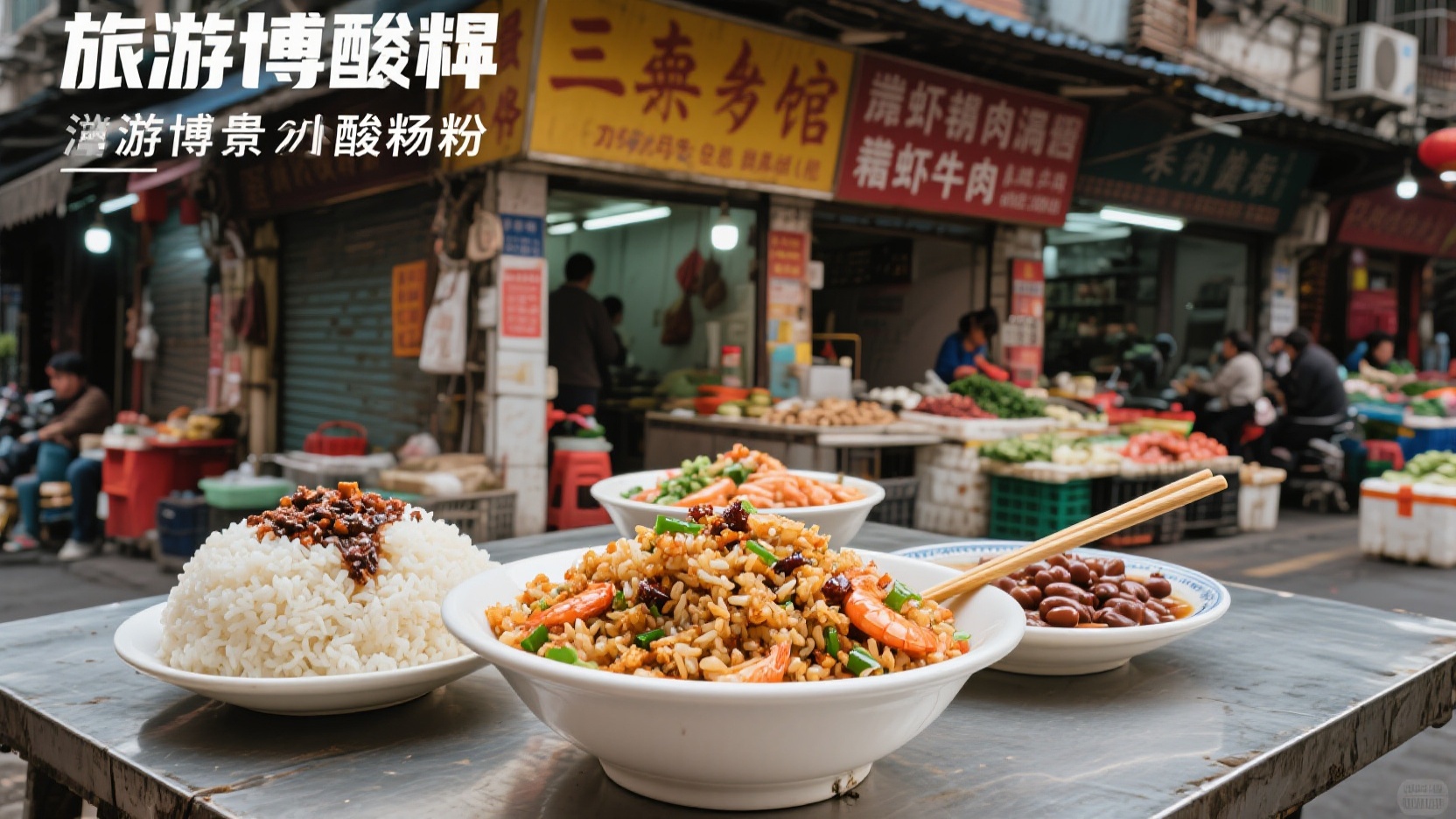
The Luohan Camp area has many old residential areas, hiding numerous restaurants serving Guizhou-style cuisine. This shrimp-flavored beef stall looks like a roadside stall, but it's packed with local families every evening. Why it's worth a visit: the shrimp-flavored sauce is made from fermented small river shrimp. It smells a bit pungent, but after being stir-fried with beef, it becomes savory and rich, a real rice killer. The "Guailu Rice" is a Guizhou version of "random fried rice," with a little bit of cured meat, pickled vegetables, beans, and bracken—the more you chew, the more fragrant it becomes.
How to order from their signature dishes: First, order the "Shrimp and Sour Beef" hot pot, then add a serving of "Guailu Rice." This is enough for two people. You can add side dishes to the shrimp and sour beef hot pot base; tofu and potatoes are highly recommended as they absorb the flavor exceptionally well. Nearby: There's a cart selling "Rice Tofu" diagonally opposite; add pickled radish and chili oil—it's tangy, spicy, and appetizing, and you can take some back to your hotel.
Blogger's Summary and Practical Tips for Avoiding Pitfalls
These seven restaurants share a common characteristic: they don't rely on marketing or ambiance; they depend solely on repeat customers. They are scattered throughout Humen Lane, Liyu Street, Yanwu Street, Shengfu Road, behind Huaguoyuan, and Luohanying area. It's recommended to eat there in a series of locations within each area, rather than traveling across cities in one day.
The first rule to avoid pitfalls: Don't go during peak meal times. These small shops usually have limited seating and slow service. Weekday lunchtimes and 6:30 pm are peak times for locals, so it's recommended to arrive half an hour earlier or an hour later than the usual mealtimes for a completely different experience.
The second tip to avoid pitfalls: Don't just order the signature dishes. Many hidden ways to eat it are in the "additional ingredients" and "dipping sauces," such as adding mixed vegetables to beef noodles, adding a runny egg to fried rice, or adding crispy pork rinds to vegetarian noodles. When ordering, ask the owner "how locals eat it," and you might be pleasantly surprised.
The third tip to avoid pitfalls: Remember to bring cash. Many morning markets, alleyway carts, and night food stalls are run by elderly people who only accept cash or sometimes accept QR codes. Especially when buying small items like rice cakes, glutinous rice, or ice cream, it's best to have small change on hand.