
Changsha Slow Travel 5 Days 4 Nights | A Checklist to Avoid for Seniors Who Want to Travel with Their Parents Without Getting Tired (Includes 20 Tips)
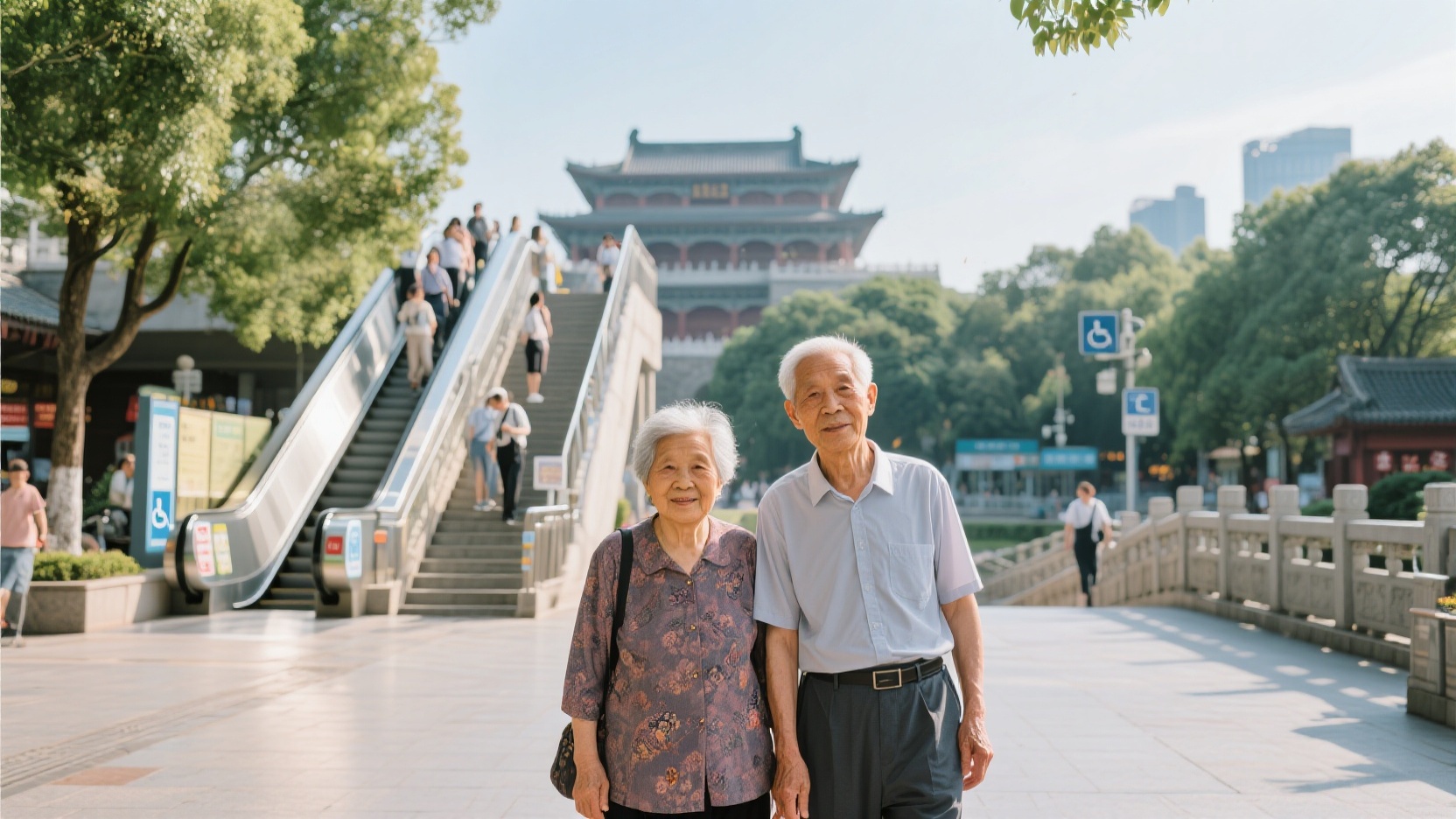
This was my third time bringing my parents to Changsha, and I finally etched "not rushing" into every day. The first two times, we crammed Orange Isle, Yuelu Mountain, and Wuyi Square into one day, walking over 15,000 steps. The next day, my dad's knee was so swollen he couldn't go down the stairs, and my mom spent ten minutes looking for a restroom at the south gate of Yuelu Mountain. This time, for five days and four nights, we only planned one or two key destinations each day, returning to the hotel for a two-hour nap at noon, making the itinerary more complete. We chose late October, when the temperature was just over 20 degrees Celsius, the most senior-friendly time to visit Changsha.
Let me state the conclusion upfront: Changsha is actually very suitable for senior citizens to enjoy a leisurely trip.
Changsha is known as a "city of nightlife," but its old town, Zhou Tou Park, and museums are also perfect for leisurely strolls. When bringing my parents, I first made sure to consider four key factors: elevator coverage, toilet density, walking distance, and hospital distance. This time, I chose accommodation near a subway station with a direct elevator. Within a 300-meter walk, there were pharmacies and convenience stores downstairs, and a taxi ride to a nearby top-tier hospital took only about ten minutes, giving me peace of mind every day.
The accessible pathways in newly built shopping malls and public venues in Changsha are quite good, but the old alleys often have steps and slippery cobblestone paths. When walking with my parents, I'd rather take the main road, which is 200 meters longer, than take the shortcut into the alleys.
Day 1-2: Orange Isle and Yuelu Mountain; drive very slowly to avoid straining your knees.
Be sure to buy a full-trip sightseeing bus ticket to Orange Isle; do not walk. The small train stations are no more than a few hundred meters apart on foot, and each station has a waiting shed and restrooms. We will only focus on the sculpture at the head of the island and the riverside walkway, limiting our time to two and a half hours. There is a medical clinic on the island that can treat minor scrapes; if you need a hospital of level two or above, it's about a twenty-minute drive across the bridge.
The biggest pitfall of Yuelu Mountain is "walking up from the South Gate." This time, I took the sightseeing bus directly from the East Gate. The area around Aiwan Pavilion and Yuelu Academy has many flat paths, and plenty of benches and restrooms. There are universities and hospitals near the South Gate, so you can get medical attention quickly if you feel unwell. I kept my walking distance under 4,000 steps that day and returned to the hotel promptly for a two-hour lunch break.
Day 3: Choose one of Jinggang Ancient Town or Huitang Hot Spring, depending on the parents' physical condition.
Option 1, Jinggang Ancient Town, is suitable for parents who enjoy a lively atmosphere and are physically able. The main road has virtually no steps, and you can sit down anywhere along the riverside path. However, it's quite far from the city center, so hiring a car is recommended; the journey takes about 40 minutes one way. Toilets are scattered throughout the town, but some side alleys may have moss, so be sure to use the middle lanes. Regardless of which option you choose, allow two hours at midday to return to your hotel or vacation room for rest; no consecutive activities are planned.
Option two, Huitang Hot Spring, is suitable for parents who are sensitive to cold and want to relax. Please confirm in advance whether there is an elevator and wheelchair accessible from your room to the hot spring area, and whether there are non-slip mats and handrails beside the pools. Each soak should not exceed 15 minutes, and you should rinse with warm water afterward. Elderly individuals with high blood pressure or underlying heart conditions should consult a doctor before soaking. Ideally, a level-two or higher hospital should be within a 30-minute drive of the nearest facility. Choose only one option; don't try to do both.
Days 4-5: Hunan Provincial Museum and the Old Town, minimizing walking distance.
Advance reservations are required for the Hunan Provincial Museum. The museum is well-air-conditioned, has ample restrooms, and wheelchairs or folding stools are available for rent. A visit to the Mawangdui exhibition hall and the Xin Zhui Lady exhibition is recommended, with a limited time of two hours. The rest area is spacious enough for seniors to sit and enjoy the exhibits. After leaving the museum, return to the hotel for a midday rest before heading out again in the afternoon.
In the old town, we only walked along Taiping Street and Pozi Street, avoiding the side alleys. The main streets were flat, with shops on both sides where you could sit anytime. Near Huogongdian, you could drink tea and watch opera. On the last day, we checked out and stored our luggage, allowing a two-hour buffer before our high-speed train or plane. We kept our daily walking to around 5,000 steps, and my father's knees didn't protest anymore.
Blogger's Summary: A Five-Day, Relaxing Trip to Changsha for Seniors and a Practical Packing List
The key to a leisurely trip with parents in Changsha isn't the number of places to visit, but rather "one destination in the morning, back to the hotel at noon, and depending on their energy levels in the afternoon." Prioritize accommodations based on factors like elevator access, hospital commute distance, and the route back to the hotel; only plan one or two destinations per day, making the lunch break a must. The list below summarizes my three trips with my parents.
20 Items for Packing for Seniors When Traveling: 1. Lightweight folding cane or hiking poles; 2. Two pairs of non-slip soft-soled shoes; 3. Knee pads and elastic socks; 4. Light jacket and fleece vest; 5. Raincoat is easier than an umbrella; 6. Insulated cup and folding kettle; 7. Separate snacks to prevent hypoglycemia; 8. Commonly used medications in individual containers; 9. Electronic blood pressure monitor; 10. Emergency card with medical history and allergies; 11. ID card, medical insurance card, senior citizen card; 12. Folding seat cushion; 13. Portable toilet seat cover; 14. Wet toilet paper and small packs of tissues; 15. Spare batteries for reading glasses and hearing aids; 16. Power bank and long data cable; 17. Disposable bed sheet or soiling bag; 18. Non-slip bathroom slippers; 19. Night light or flashlight; 20. Paper itinerary and emergency contact card.
Five categories of commonly used medications to remind you: Category 1: Cardiovascular medications such as antihypertensive drugs and nitroglycerin should be carried with you and not checked in; Category 2: Gastrointestinal medications and oral rehydration salts, as Changsha cuisine is spicy and elderly people are prone to gastrointestinal discomfort; Category 3: Joint pain relief patches or topical ointments, to be applied at night; Category 4: Cold and fever reducers and a thermometer, especially needed during seasonal changes; Category 5: Personal chronic disease medications, prepare a three- to five-day supply and take a photo of the prescription for your records.