
Tracing the Pseudo-Capital | Changchun: A Cultural and Artistic Journey Through History and Light and Shadow
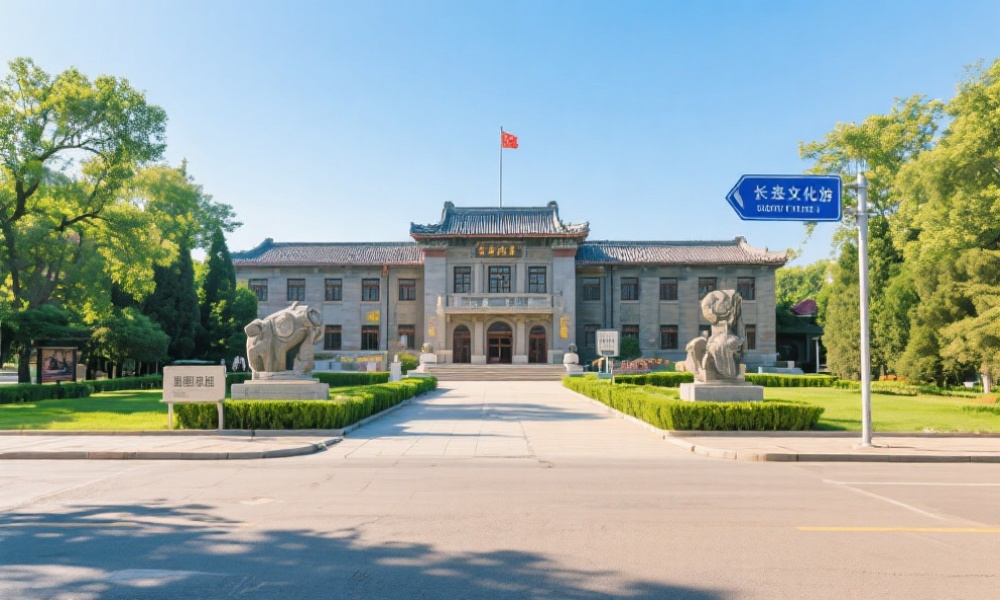
Changchun, a city bearing the complex imprint of history, is not only an important industrial base in Northeast China but also a melting pot of culture and art. Its unique historical background as the "Manchukuo" regime, intertwined with its status as the cradle of China's film industry, has shaped the city's profound and diverse cultural fabric. This XOOTOUR featured blog post will guide you on an in-depth cultural journey, leading you beyond superficial observation to immerse you in Changchun's historical sites, art galleries, and intangible cultural heritage, uncovering the little-known cultural stories behind them.
Chapter 1: The Legacy of the Puppet Manchukuo Puppet Army and the Imprint of Urban Planning
A cultural and artistic journey through Changchun inevitably begins with its history as the "New Capital" of the puppet state of Manchukuo. This unique history has not only left a distinct mark on the architecture but has also profoundly influenced the city's layout and spirit.
The Puppet Emperor's Palace Museum: A Witness to Power and Humiliation
The Puppet Emperor's Palace Museum is the core of understanding modern history in Changchun. It was the residence of Puyi, the last emperor, and a symbol of the puppet regime of Manchukuo. The museum complex blends Chinese, Western, and Japanese architectural styles, such as the Jixi Building and Tongde Hall. Every brick and tile silently tells the story of the political turmoil of that special era, Puyi's personal fate, and the evidence of Japanese aggression against China. Visitors can not only see Puyi's daily necessities and offices, but also, through detailed historical materials and reconstructed scenes, directly experience that humiliating history and reflect on the profound significance of war and peace. This is not a simple palace tour, but a deep interpretation and reflection on a heavy history.
The Eight Ministries of Manchukuo: A Sample of Planning and Architecture
Stepping out of the Forbidden City and strolling along Xinmin Street, you'll see a row of buildings formerly belonging to the "Eight Ministries of Manchukuo." These buildings, originally offices of various ministries of the Manchukuo regime, now house many of the institutions, including Jilin University and the Changchun Municipal Party Committee and Government. A product of Manchukuo's "Greater Xinjing City Plan," they possess a unique architectural style, predominantly reinforced concrete structures adorned with granite or ceramic tiles, exuding a grand and imposing presence, reflecting both Japanese militarism and a pseudo-Western classical influence. Walking through these buildings allows for a direct experience of the Manchukuo era's impact on Changchun's urban planning, offering insights into the strategic foresight and political intentions behind the city's layout—a profound dialogue in itself between architectural aesthetics and historical context.
Geological Palace: From "Imperial Palace" to Temple of Science
The Geological Palace, originally designed as the new imperial palace for the puppet state of Manchukuo, failed to fulfill its intended function due to Japan's defeat in World War II. It ultimately became a landmark building of Jilin University, housing the Jilin University Museum. This magnificent building, with its unique "inverted-pyramid" roof and blend of Chinese and Western styles, has become an important part of Changchun's skyline. From its initial political symbolism to its current status as a scientific temple, the Geological Palace's changing fortunes are a microcosm of Changchun's historical transformation. Its museum, displaying a rich collection of geological and mineral specimens, indirectly showcases the unique natural resources and geographical environment of Northeast China, adding a scientific and natural dimension to cultural journeys.
Chapter Two: The Cradle of Light and Shadow and the Inheritance of Regional Culture
Changchun is not only a witness to history, but also the founder of the film industry in New China, and at the same time carries the unique charm of Northeast China's regional culture.
Former Site Museum of Changchun Film Studio: The Cradle of Cinema in the People's Republic of China
Changchun Film Studio, hailed as the "cradle of New China's cinema," is the birthplace of a series of influential classic films, including *The White-Haired Girl*, *Shangganling*, and *Heroes and Daughters*. The Changchun Film Studio Former Site Museum systematically showcases the studio's development from its founding in 1945 to the present day, and its outstanding contributions to the Chinese film industry, through detailed archives, precious film props, reconstructed filming locations, and interactive experiences. Visitors can not only revisit the glorious chapters of Chinese film history but also learn about the behind-the-scenes stories of filmmaking and feel the artistic pursuits and patriotic sentiments of the older generation of filmmakers. This is not merely a temple of film, but a cultural landmark carrying the collective memories of generations of Chinese people.
Jilin Provincial Museum: Diverse History and Intangible Cultural Heritage Treasures
The Jilin Provincial Museum is an important window into the comprehensive history and culture of Jilin Province. Its exhibitions cover Jilin's history from prehistoric times to modern times, including relics of ancient civilizations such as Goguryeo and Balhae, as well as the revolutionary struggle of the Northeast Anti-Japanese United Army. More importantly, the museum features rich thematic exhibitions on folk culture and Intangible Cultural Heritage (ICH). Here, you can gain a deeper understanding of the unique fishing and hunting culture and agricultural culture of Northeast China, as well as the historical origins, artistic characteristics, and current status of intangible cultural heritage projects such as paper-cutting, shamanistic rituals, Errenzhuan (a type of folk opera), and Northeast drumming. While the locations of direct ICH experiences may not be fixed, the museum provides systematic and in-depth background knowledge, allowing visitors to gain a deeper understanding of these living cultural heritages. During specific festivals or cultural events, some cultural centers or theaters may also host performances of Errenzhuan, Northeast drumming, and other traditional arts, which are worth noting.
Conclusion: Take your time exploring Changchun and savor its rich history and vibrant art.
A cultural and artistic journey through Changchun is a profound dialogue across time. It requires us to slow down and attentively feel the historical information and humanistic sentiments behind every site and exhibit. From the power struggles and urban planning during the Manchukuo period to the glorious beginnings of Chinese cinema, and the unique charm of Northeast China's regional culture, Changchun, with its distinctive narrative, showcases its profound history and vitality as a renowned historical and cultural city. We hope this carefully selected itinerary will guide you to explore Changchun in depth, discover the city's hidden cultural treasures, and gain an unforgettable cultural experience.