
When buying souvenirs from Beijing, should you buy them at tourist attractions or supermarkets?
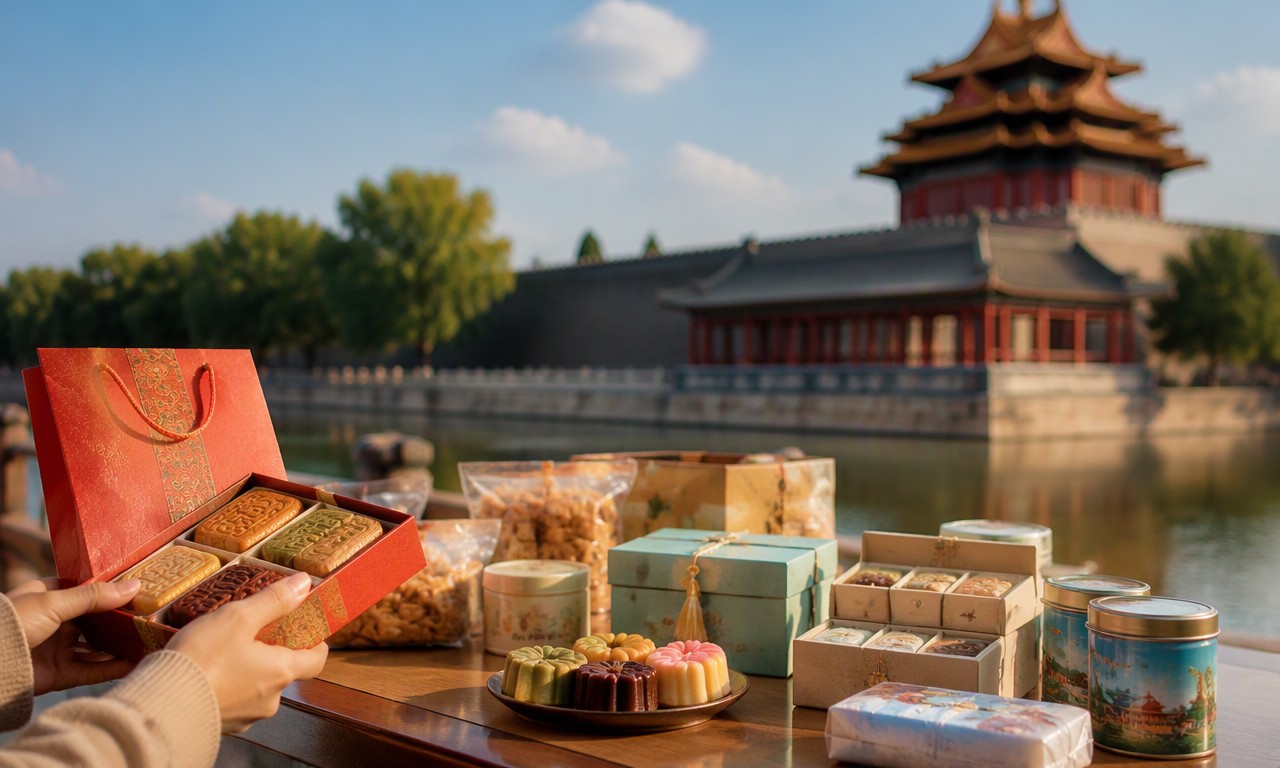
"Where to buy Beijing souvenirs?" is a question almost everyone asks before a trip, but few people actually answer it clearly. People aren't concerned with which store is famous, but rather with the difference between buying the same item near a tourist attraction and in a local supermarket—is it the price, the quality, or are they completely different products? The answer to this question directly impacts whether the souvenirs you bring back are presentable as gifts or worthwhile for yourself, so it's worth discussing in detail.
Daoxiangcun: Scenic Area Counters vs. Community Direct Stores
Most travel guides will tell you that buying a few boxes of "Beijing Eight Treasures" and "Ox Tongue Pastries" from Daoxiangcun in Qianmen or Wangfujing is the most authentic Beijing souvenir. However, in reality, many of the shops around tourist attractions displaying the "Daoxiangcun" sign are franchise counters or tourist-exclusive counters, offering fewer varieties, more expensive gift boxes, and some pastries have different filling ratios compared to directly operated stores. The stores that locals truly frequent are the directly operated Daoxiangcun stores located in residential areas; just look for the "Sanhe" logo. For personal consumption or as gifts for close friends, bulk purchases from directly operated stores are the most practical. If you're only staying in the tourist area and don't have time to visit neighborhood stores, choose classic ox tongue pastries and jujube blossom pastries—shortcut items that are hard to go wrong with—and avoid those fancy, mixed gift boxes.
Beijing Eight Delicacies and Traditional Pastries: Scenic Spot Gift Boxes vs. Bulk Pastries in Supermarkets
Most travel guides will tell you that the "Eight Treasures of Beijing" represent traditional Beijing pastries, and that buying gift boxes is the most presentable option. However, in reality, gift boxes at tourist attractions are often more expensive than the pastries themselves. Inside, the pastries are often just a few pieces sitting on a thick plastic tray, making them poor value for money. In local supermarkets or directly operated stores, the same jujube paste pastries, Sachima, Zilaihong (a type of pastry), and Zilaibai (another type of pastry) sold loose are only a fraction of the price of gift boxes, and their freshness is more guaranteed. For gifts for elders or formal occasions, buy simple gift boxes from established brands' directly operated stores; for personal enjoyment at home, loose items from supermarkets are perfectly sufficient, and you can even mix and match them according to your taste.
If you see those "Traditional Beijing Pastries Collections" packaged in transparent plastic boxes at tourist attractions, they are mostly mass-produced tourist souvenirs from OEM factories. They have a long shelf life but tend to be dry, and are not the same as the freshly baked ones from directly operated stores. The way to tell the difference is simple: check the expiration date, and be cautious about buying anything older than a month.
Peking duck: Vacuum-packed duck at tourist attractions vs. the same type sold in local supermarkets
Most travel guides will tell you to buy vacuum-packed Peking duck from Quanjude or Bianyifang to take home, or simply grab one from a souvenir shop in the tourist area. However, vacuum-packed Peking duck in tourist areas is significantly overpriced. For the same brand and specifications, the deli section or brand counter in a local large supermarket is usually cheaper, and the production date is more recent. Also, distinguish between "vacuum-packed whole duck" and "gift box sliced duck"—the former requires slicing and heating at home, while the latter is ready to eat but more expensive. Buy gift boxes for gifts, choosing reputable brands; for personal consumption, there's no need to join the crowds in tourist areas, just buy it from any large supermarket before your return trip.
Pickles: Tourist Specialty Stores vs. Established Brand Stores
Most travel guides will tell you that Liubiju and Tianyuan Sauce Garden's pickles are a breakfast staple for Beijingers, and buying a few jars to take home is a great idea. In reality, many of the pickles sold in tourist area specialty shops are just ordinary, mass-produced goods, no different from what you see on supermarket shelves, but at a significantly higher price. What's truly worth a special trip is to the original stores of these established brands, where you can find bulk pickles, freshly made pickles, and dozens of varieties, which you can sample before buying by weight. If you're staying nearby or have some free time, buy bulk pickles from the store; for convenience, bottled Liubiju pickles from the supermarket are also acceptable, but don't be ripped off in tourist areas.
Tea: Scenic Area Tea Shops vs. Established Brand Headquarters
Most travel guides will tell you that if you're buying tea as a souvenir in Beijing, go for Zhang Yiyuan or Wu Yutai jasmine tea, as buying it in-store to smell and taste is the most reliable option. However, tea shops or counters in tourist areas often sell mid-range teas at high prices, and with high customer traffic, the tasting process is often perfunctory. Established brand stores or brand counters in large shopping malls offer more standardized pricing and a wider variety of teas. The criteria are simple: if they can sit down and properly taste the teas, weigh them by weight, and tell you the tea's origin and scenting process, they're unlikely to be overcharging. For gifts, choose mid-range jasmine white tea or dragon tea; for personal enjoyment, everyday flower tea costing a few tens of yuan per kilogram is perfectly fine.
Creative cultural and creative souvenirs: Scenic spot creative and creative stores vs. city bookstores
Most travel guides will tell you that Palace Museum and National Museum of China cultural and creative products are the "new favorites" among Beijing souvenirs, and that buying them while visiting the attractions is the best way to experience the atmosphere. However, in reality, these shops are often crowded, popular items are frequently out of stock, and prices are fixed. In contrast, large bookstores and department store concept stores in Beijing often have the same or related products, with more ample stock, and sometimes even discounts. For small items like refrigerator magnets, bookmarks, and washi tape, it doesn't matter much where you buy them; but for larger items like decorative pieces, scarves, and replicas of calligraphy and paintings, it's recommended to browse at concept stores in the city at your leisure, avoiding long queues at the checkout in tourist attractions.
Dried fruit and Poria cocos cake: Bulk at tourist attractions vs. packaged in supermarkets
Most travel guides will tell you that Beijing preserved fruits and poria cocos cakes are "the taste of childhood," and that the loose ones look fresh. In reality, it's difficult to judge the hygiene and storage time of loose preserved fruits sold in tourist area shops; they are often overly sweet and heavily dyed. On the contrary, individually packaged products from reputable brands in supermarkets, with clearly labeled additives, are much safer to buy. If you're buying for personal enjoyment and novelty, you can try buying small quantities at tourist sites; but if you're buying in bulk as gifts, it's safer to get branded products from supermarkets.