
These 7 hidden gems in Xining | A list I only dared to write after three trips (not the trendy ones, with tips to avoid pitfalls)
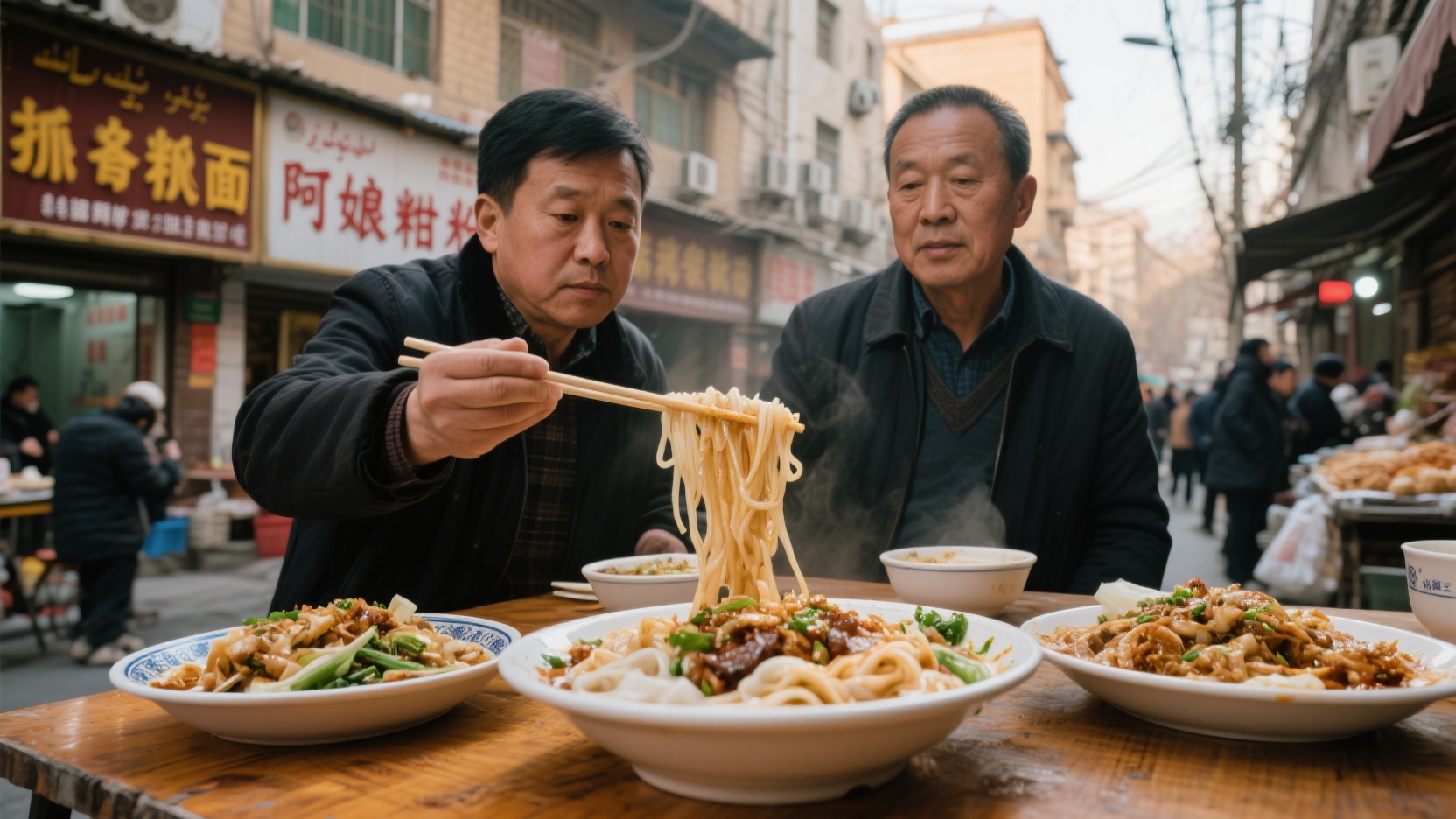
I've been to Xining three times. The first two times, I followed the food lists and encountered many disappointments: the queues during peak hours were at least an hour long, the liangpi (cold skin noodles) was overly salty, and the hand-pulled noodles were greasy. I realized that the truly delicious food is hidden in the tin sheds in the side alleys of the old city, on the plastic stools outside the residential compounds, and on the small carts whose lights only come on late at night. On the third trip, I asked a local friend to guide me and compiled a list of seven small restaurants that don't do marketing, aren't on any must-eat lists, and are only known to true gourmets. The names of the restaurants below have been blurred to avoid any suspicion of advertising.
Back alley of the old market in the east of the city: Two bowls of "carbohydrate hard currency"
The first stall is a noodle stand, located in a side alley behind an old market in the east of the city. It has a blue tin shed, no sign, and closes before 1 PM. Why it's worth going: The noodles are pre-cooked and cooled alkaline noodles. Grab a handful and dip it in boiling mutton intestine soup for three seconds, then top it with crispy fried mutton intestine pieces and dry-fried chili sauce. The soup is clear and flavorful, a top-notch breakfast for locals in winter. How to order: Just say "flower noodles," a three-part combination of mutton intestines, noodle intestines, and head skin. Don't order just the meat; ask for plenty of garlic sprouts. A convenient stop along the way: Turn right after exiting the alley, there's an old lady frying "flowers" (a type of fried dough). Buy a small bag as a snack; they're crispy even when cold.
The second stall in this area is Aqianya Liangpi (cold skin noodles), steamed fresh in a bamboo steamer, never kept overnight. Why it's worth going: the liangpi is bright yellow and thick, the gluten absorbs the sauce perfectly, and the chive and garlic sauce and mustard sauce are the soul of the dish; the chili is just a garnish. How to order: ask for "gaodan liangpi" (high-strength liangpi) instead of water-washed liangpi for a more glutinous texture; add less chili, otherwise it will mask the aroma of highland barley. Something to buy along the way: there are often sweet fermented barley vendors next to the stall; buy a bag to mix with milk at home—it feels more natural than many milk tea shops.
Behind the old residential area in the city: "Grandma's Handmade" - only appears at four o'clock in the afternoon.
The third stall is a yogurt stand, located behind the back wall of an old residential area in the city. They set up shop at 4 PM and leave once they've sold out. Why it's worth going: The yogurt is steamed in a rough porcelain bowl, with a layer of bright yellow milk skin forming on top. Sprinkling sugar on it makes a crunchy sound, a unique "milk skin" texture you won't find in supermarket yogurt. How to order: Only order the "bowl with the milk skin," don't take the plastic cup, and return the bowl after you finish. You can add sugar yourself. Something to buy along the way: There's a stall selling steamed buns near the entrance; break them open and dip them in the yogurt—it's amazing!
The fourth stall in the same area is "Dog Peeing" small kitchen, where they make thin pancakes fresh, drizzling rapeseed oil over them as they cook and sprinkling them with fragrant bean powder. Eat them while they're hot! Why it's worth going: the aroma of the rapeseed oil and the herbal flavor of the fragrant bean powder only come through when they're freshly made; they become cloying when cold. What to order: order the sweet version with brown sugar, not the savory one; pair it with a bowl of brewed tea to cut through the richness. Something to buy along the way: there are small bags of roasted barley flour nearby; buy some to make your morning tea.
Established hearty restaurants in the west and north of the city: Local flavors for takeout after get off work.
The fifth stall is a hot pot restaurant next to a bicycle shed in an old residential area in the west of the city. It only serves dinner, and locals usually take it away after work. Why it's worth going: The lamb is cooked raw without blanching; the lamb, potatoes, onions, and green peppers are cooked directly in the pot. The potatoes are crispy on the edges, and the lamb chops are dry and fragrant—a typical Xining home-style cooking method. What to order: A medium portion is fine; emphasize "more potatoes and leaner meat." Don't order the "hot pot lamb intestines," as out-of-towners might not be used to it. What to buy on the way: You can take a couple of tea bags from the shop to boil at home and eat with the meat to cut through the richness.
The sixth stall is located at the entrance of a factory residential compound in the north of the city. It sets up at 6 AM and sells out by 9 AM, offering only "whole lamb offal" and "wheat porridge." Why it's worth going: the lamb offal soup includes lamb lung, and the broth is a simple white soup made from lamb bones, without any unnecessary seasonings. How to order: get the "offal with lamb lung," add a spoonful of chili oil and a spoonful of aged vinegar, and serve with unleavened flatbread; order a small bowl of wheat porridge, a savory congee made with barley and diced lamb, warming and filling. If you're passing by: there are also sweet and savory pastries sold near the morning market.
Late-night stalls behind the South Gate Mosque: sweet fermented rice with fried potatoes
The seventh stall is a late-night sweet barley fermented liquor stand, opening at 11 PM, located in a small alley behind the South Gate Mosque. Why it's worth a visit: the fermented barley liquor has a stronger aroma than rice wine, with a slight sourness, and is incredibly refreshing when served chilled. What to order: Order the "Iced Sweet Barley Fermented Liquor" with freshly fried potato chips sprinkled with salt and pepper; avoid the "Milk Tea Sweet Barley Fermented Liquor," as the sweetness will overpower the fermented aroma. Something to grab along the way: two skewers of grilled lamb next door to satisfy your cravings; remember to ask the vendor to use less cumin.
This alley is a quiet neighborhood during the day, but it comes alive at night. While enjoying sweet fermented rice, you can chat with the vendors. Most late-night stalls in Xining have regular customers, so you can hear a lot of local food recommendations. If you see students in school uniforms getting takeout, you can't go wrong following them.
After visiting seven shops, the biggest takeaway is that Xining's best snacks aren't found on the list, but rather in the back alleys of the old market, near residential compounds, and in the late-night food carts. These shops don't do marketing; they rely on repeat customers from the locals. In winter, when looking for food in Xining, you can eat lamb offal soup in the morning, hand-pulled noodles for lunch, liangpi (cold skin noodles) and yogurt in the afternoon, and sweet fermented rice for dinner—you can eat something different every day. If you're short on time, prioritize the old market in the east of the city and the morning market in the north; these are the two areas with the highest density of locals and the lowest chance of encountering a bad experience.
Finally, three tips to avoid pitfalls: First, don't go during peak meal times—these shops are mostly half-day or irregularly open, and they may change their signs if you go late. It's best to go at the times mentioned in the article. Second, don't just order the signature dishes—the best parts are in the side dishes and small bowls. Observe what the locals order before you speak. Third, remember to bring cash—old alley stalls may not have QR codes for payment, especially in the morning and late at night.