
These 8 restaurants in Wuhan | A local favorite compiled by a blogger after three trips (non-popular, including places to avoid bad deals)
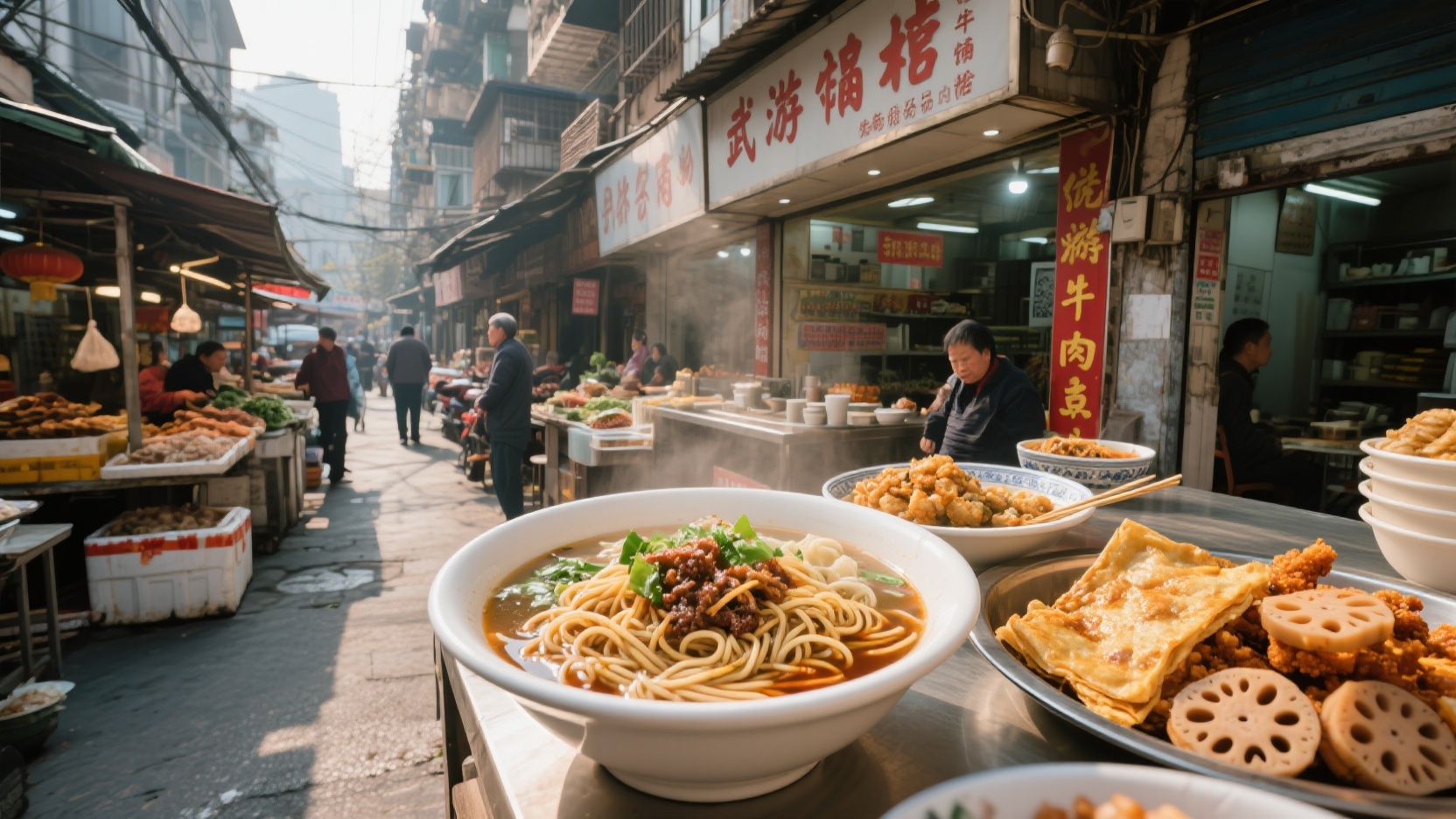
To create this list, I revisited the three towns of Wuhan three times: the first time I followed recommendations on a certain social media platform and ended up with some disappointing experiences; the second time I only went with locals who were out in their pajamas; and the third time I specifically chose a rainy day to verify the reviews. In the end, from more than twenty candidates, I only kept these 8 restaurants that don't do marketing, don't advertise on "must-eat lists," and don't even bother to maintain reviews.
The breakfast duo at Lao Li Fen on Shengli Street: hot dry noodles with chicken crest dumplings
In an old alleyway on Shengli Street in Hankou, people are already standing by the roadside with bowls of noodles as early as 6 a.m. One hot dry noodle stall, without even a sign, only does three things: sesame paste, spicy radish cubes, and hand-pulled noodles. The noodles are hand-pulled on the firmer side, and after mixing, the savory sauce clings firmly to the rim of the bowl, preventing them from becoming watery as you eat. How to order? Simply shout "Small bowl of hot dry noodles with egg wine," asking the owner for an extra spoonful of broth—a request only regulars dare to make.
The stall selling fried chicken crest dumplings often shares a low table with the noodle stall. When the dumplings are fresh out of the fryer, their skin puffs up with tiny air pockets, and they make a slight crunch when you bite into them. Break them open and soak them in the broth of hot dry noodles; they become half crisp and half soft, making them even more satisfying than eating them alone. Grab a sweet potato noodle soup along the way; its sweetness perfectly complements the rich sesame sauce.
The beef rice noodles next to the Yangyuan Street market in Wuchang have a broth with a hint of medicinal herbs.
Next to the Yangyuan Street market, there's a beef noodle shop whose signboard has faded to a light color. It only serves breakfast and lunch; if you go late, the broth becomes clear. The owner slowly simmers beef bones with a small packet of subtle spices, resulting in a clear yet rich broth. The beef is thinly sliced, neither tough nor falling apart. Order a bowl of "beef noodles with a spoonful of chili"—the chili is stir-fried, so it doesn't overpower the broth's freshness.
The fried dough sticks at the entrance must be packed separately and not soaked for too long. Just dip them in the soup and take them out; the outer ring will be crispy and the inner ring soft. There are also stalls selling handmade bean curd noodles at the entrance of the market. Buy half a pound and cook them at home with leftover soup; they absorb the flavor even better than the noodles from the store.
Weekend specials in Zhongjiacun, Hanyang: earthen stove-cooked bean curd sheets and glutinous rice wrapped with fried dough sticks.
Walking into the old community of Zhongjiacun in Hanyang, there's a bean curd skin stall that's only open on Saturdays and Sundays. The owner uses a large earthen stove and clam shells to stir-fry the egg skin until it's covered in tiny bubbles, the glutinous rice grains are distinct, and the topping is generous but not too salty. Those in the know will directly say "I want the edges," because that crispy edge is the most sought-after part of the earthen stove bean curd skin.
Pair it with a bowl of sweet tofu pudding instead of egg drop soup; the sweetness perfectly balances the oiliness of the tofu skin. Around the corner, there's an auntie selling glutinous rice wrapped in fried dough sticks. The savory version is made with soybean flour and pickled vegetables, while the sweet version is made with white sugar and sesame powder. I recommend buying one of each and eating them as you walk. This is the most satisfying weekend route in Zhongjiacun.
The residential buildings in Qingshan Honggangcheng are fried, and dipping sauce is the soul of the dish.
People in Qingshan have a deep-seated craving for fried food. Near Honggangcheng, there's a fried food stall located under a residential building that only opens after 5 PM. It's not a fancy place, just a few low tables. The owner makes his own dipping sauce with sesame paste, garlic water, chili oil, and a hint of fermented bean curd. The fried food is extremely dry, the lotus root balls are crispy on the outside and chewy on the inside, and the rice cakes have a thin crust around the edges.
When ordering, just ask for the "full dipping sauce"—don't miss out on the fried lotus root balls, fried rice cakes, and fried chicken frames. The small shop next door makes its own mung bean soup cups with mung bean residue at the bottom; shake it before drinking, and it's just the right amount to relieve the spiciness. There are no tourists here, only children leaving school and middle-aged people just getting off work.
The autumn/winter limited-edition lotus root soup on Gutian Third Road features starchy lotus roots that are stretchy and stringy.
For Wuhan locals, autumn and winter wouldn't be complete without lotus root soup. In an old alley on Gutian Third Road, there's a stall that only operates from October to February of the following year, serving lotus root soup in a small pot set up outdoors, simmering the broth slowly over a honeycomb briquette fire. The owner will first ask, "Do you want crisp lotus root or starchy lotus root?" The starchy lotus root often sells out early. When you pick it up with chopsticks, the lotus root breaks apart with its delicate strands, and the soup has a rich, oily flavor reminiscent of pork ribs, but it's not greasy.
For a more layered dining experience, order the pork rib and lotus root soup with a side of stir-fried dried bean curd strips. The dried bean curd strips absorb the soup and become even more fragrant than the meat. There's also a stall selling roasted bean curd strips at the alley entrance. Buy a portion to go, let it cool, and then fry it again—it's closer to the local palate than fried dough sticks.
Sticky rice chicken and chicken crest dumplings at the back gate of Nanhu Vegetable Market
The glutinous rice chicken stall at the back gate of Nanhu Market fries and sells freshly made. The outer skin is so crispy it crumbles, and the glutinous rice inside contains black pepper and shiitake mushroom pieces, giving it a savory and slightly spicy flavor. It smells best when it's fresh out of the fryer, but don't rush to bite into it, as it can burn your palate. The owner will let it rest on a draining rack for a while after frying, a detail that ensures it doesn't become oily or collapse.
You could also order a chicken crest dumpling, or go to the side and get a bowl of hot osmanthus rice wine porridge—the sweetness is just right, a perfect match for the glutinous rice chicken. The way you eat at the back gate of the market is often closer to the daily life of Wuhan people than what you find in shopping malls.
After three visits, the most obvious feeling was that the truly delicious restaurants in Wuhan are often hidden in old alleyways, behind the vegetable markets, and at the bottom of residential buildings. They don't do marketing or need to queue; the locals are the best advertisement.
The first rule to avoid these pitfalls: Don't go during peak meal times. These small shops are slow to prepare food, and you can easily stand in line for half an hour during peak hours. Arriving early or late during off-peak hours will allow you to eat food that's freshly cooked.
The second tip to avoid pitfalls: Don't just order the signature dishes. The hidden gems of Wuhan restaurants are all in the pairings, such as hot dry noodles with fried dough sticks, or lotus root soup with dried bean curd strips. Ordering them individually will make you miss the essence of the meal.
Third tip to avoid pitfalls: Remember to bring cash. Some older vendors only accept cash or have weak QR code payment signals, especially at the back gates and alleyways of the market. Small change is the safest option.