
Wenzhou Food Calendar | Missing these 8 things is like wasting the whole year (Blogger's personal test of seasonal limited items to avoid pitfalls)
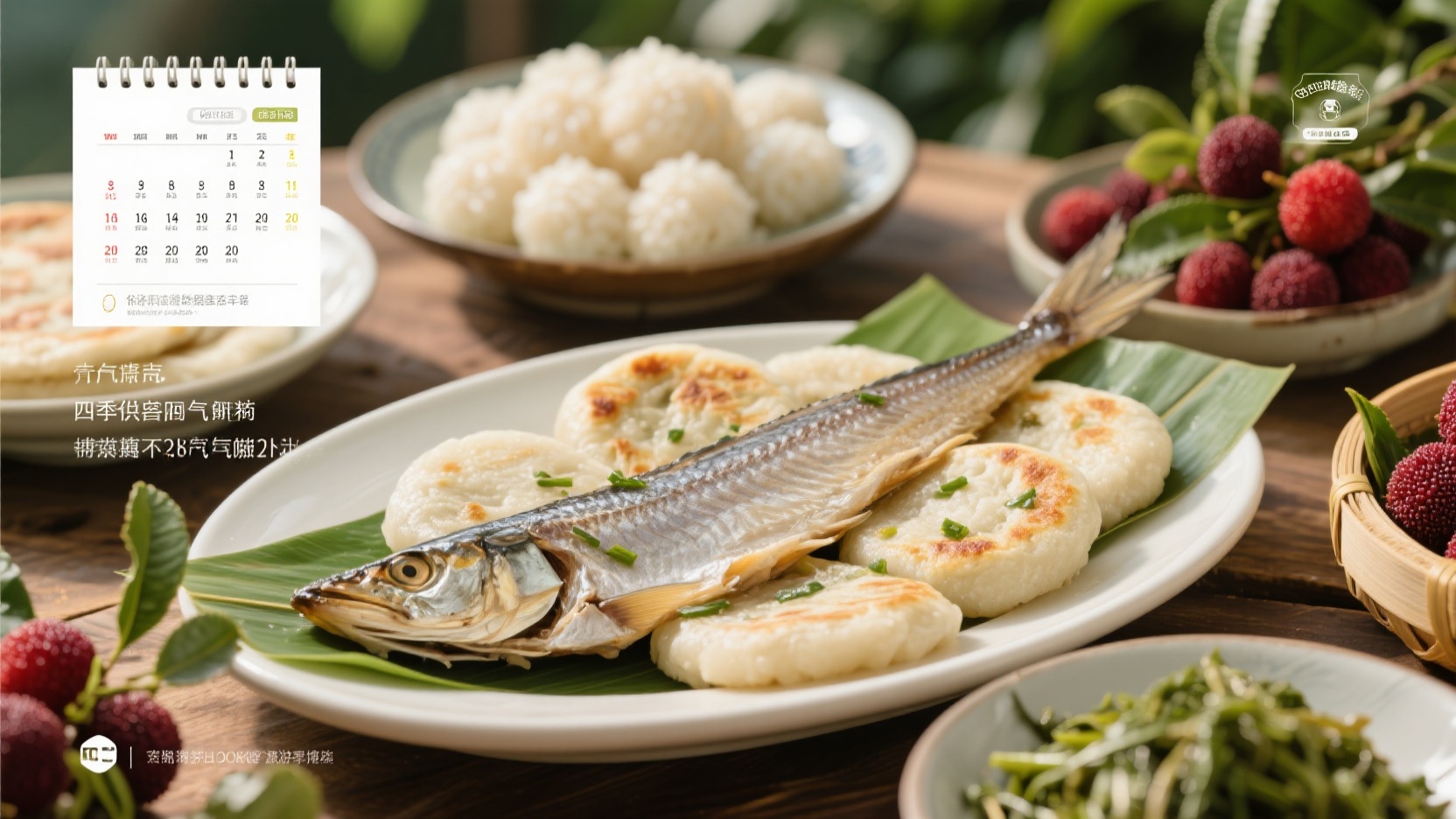
Having explored the culinary scene in Wenzhou for twelve years, I dread the question from friends: "What are some good restaurants in Wenzhou?" Because the essence of Wenzhou cuisine isn't found in any particular restaurant, but rather in specific seasons. The same raw river crab has vastly different firmness in its roe depending on whether it's eaten around the White Dew solar term or the Winter Solstice; the same dried eel, sun-dried before the northwest winds blow, lacks that oily, dry aroma. This list isn't organized by commercial districts or trendy spots, but solely by the seasons—each dish is a local specialty, a "miss this season, wait another year" find.
I. From Qingming to Guyu: Cotton seed cakes and mudflat clams – savoring the essence of spring mud.
For Wenzhou people, the first taste of glutinous rice in spring must be cotton vegetable cake. Cotton vegetable is actually cudweed, which sprouts tender shoots around Qingming Festival, with a fuzzy silvery-white appearance. After Grain Rain, the cotton vegetable flowers and matures, its fibers becoming too coarse to be rolled into a fine paste, resulting in a less glutinous and smooth cake crust. Local grandmothers pick cotton vegetable fresh from the fields at the foot of the mountain, blanch it, and then grind it into a paste with glutinous rice and regular rice in a specific ratio. They then wrap the paste around pickled vegetables, bamboo shoots, minced meat, or sesame and red bean paste. After steaming, the color is not exaggerated, but a grayish-green, and it has a very faint grassy aroma when you bite into it, not the strong flavor of mugwort.
At the same time, the razor clams in Yueqing Bay are at their "plump stage" before spawning. Locals rarely stir-fry razor clams; they mostly blanch them in salt water with scallions and ginger or braise them at home. Once the shells open, they are taken off the heat, and the focus is on the slightly sweet juice inside the clam meat. The key to avoiding razor clams is that there is a lot of rain around Qingming Festival, making the mudflats soft, which can cause some razor clams from other places to mix in. Locals choose razor clams that are "short and plump, with thin shells and yellowish 'water pipes'" to be from Yueqing Bay.
II. From Dragon Boat Festival to Summer Solstice: Thin pancakes rolled in five colors, and bayberries from the tea plantation only available for half a month.
In Wenzhou, the Dragon Boat Festival isn't just about zongzi (sticky rice dumplings); it also includes thin pancakes. These pancakes have incredibly thin wrappers, made by gently spreading rice batter on a flat pan and swishing it around. Around the Dragon Boat Festival, bean sprouts, chives, shredded meat, shredded egg, and shredded shiitake mushrooms are at their most tender and juicy. Locals emphasize "five colors in the roll," and after rolling them up, they're lightly pan-fried until the outer edges are crispy while the bean sprouts inside remain crunchy. After the Dragon Boat Festival, with more rain, the bean sprouts easily become bitter, and the chives become tough, so the pancakes lose their refreshing flavor.
After enjoying the pancakes, the two weeks around the summer solstice mark the peak season for bayberries in Chashan. Chashan bayberries are mainly of the "Dongkui" and "Biji" varieties, but local gourmets prefer the "Chashan bayberry" with its perfect balance of sweet and sour—the flesh isn't overly sweet, but rather has a fresh, savory flavor. Bayberries picked in the early morning while still covered in dew are the best; rinse them with water and eat them directly, without soaking them in salt water, as locals say soaking them in salt water diminishes half their flavor. Bayberries are extremely delicate; they begin to lose their flavor after being off the tree for four hours, so to enjoy them at their perfect taste, you have to go into the mountains, which is why they are a seasonal delicacy.
III. From White Dew to Frost's Descent: Crawfish are full of roe, sweet potatoes and dates depend on frost for nourishment.
The "蝤蛑" that Wenzhou people refer to is the mud crab (Scylla serrata). Every year from the White Dew to the Frost's Descent solar term, mud crabs enter their final molting and fattening period, with the crab roe filling the shell and the meat firm. There's a local saying: "A mud crab in August is worth a chicken," highlighting the nourishing nature of mud crabs around the Mid-Autumn Festival. For cooking, stir-frying with chili is not recommended; a more refined approach in Wenzhou is to braise the mud crabs: cut them in half, dip the cut surfaces in cornstarch, pan-fry to set their shape, add ginger, cooking wine, and half a bowl of water, and simmer until cooked through. Before serving, pour the crab roe broth back over them. To judge their quality, look for two things: the crab's navel should be bulging, and the joints of the crab legs should have a glossy, translucent appearance of roe.
By the time of Frost's Descent, the sweet potatoes in the mountainous areas of Wencheng and Yongjia are exposed to the north wind, allowing their sugar content to fully develop. Locals steam the sweet potatoes, cut them into strips, and dry them in the sun, calling them "sweet potato dates." Sweet potato dates before Frost's Descent are softer and more prone to turning sour; those dried after Frost's Descent have a slightly chewy outer skin, a soft interior, and a natural caramel aroma. The way to eat them is rustic but delicious: place a few strips on top of rice while steaming; as the rice cooks, the sweet potato dates soften, and their sweetness permeates the rice.
IV. From Minor Snow to Winter Solstice: The northwest wind rises and dried eel is dried; glutinous rice balls are wrapped with red bean paste jelly.
Strictly speaking, the dried eel from the coastal areas of Wenzhou isn't "sun-dried," but rather "wind-dried." After the Minor Snow solar term, the northwest winds are dry and cool. At this time, the fresh eel meat, once cut open, won't rot; instead, it slowly tightens in the wind, and the oil seeps back in. Locals buying dried eel will first ask, "Was it dried on a day with a north wind?" because dried eel dried on a day with a south wind will have a darker color, damp meat, and a fishy smell when steamed. Good dried eel, cut into sections and steamed, will have small bubbles on the skin, and the meat will resemble garlic cloves. Dipped in rice vinegar, its oily aroma is very restrained.
On the Winter Solstice, many families in Wenzhou make mochi. Steamed glutinous rice is pounded until it can be stretched into strands, divided into small portions, filled with red bean paste or sesame candy, and rolled in soybean powder. Unlike mochi elsewhere, Wenzhou people like to "freeze" their mochi outdoors before eating it; the surface hardens slightly, while the filling remains cool, creating a delightful contrast in textures. This treat is primarily available around the Winter Solstice; after the festival, the street vendors disappear.
Blogger's Summary and Practical Tips
The best thing about eating according to the solar terms in Wenzhou is that you don't have to wait in long lines. Many limited-edition foods are best found in the market, at the foot of the mountain, or by the dock. For example, for Qingming Festival cotton vegetable cakes, look for freshly steamed ones, not vacuum-packed ones; for bayberries from Chashan, go up the mountain in the morning to avoid weekend afternoons; for crabs, choose those with plump navels, not those that are too big; and for dried eel, look for those dried on a north wind, and avoid those that are too white.
In terms of timing, around Qingming Festival, you can visit Wenzhou city and Yueqing; around Dragon Boat Festival and Summer Solstice, you can go to Ouhai Tea Mountain; from Mid-Autumn Festival to Frost's Descent, you can go to Longgang or Ruian to eat crabs; and after Minor Snow, you can go to Dongtou or Cangnan coastal areas to find dried eel. By catching the right solar term, many seemingly ordinary ingredients will suddenly "upgrade," which is the most fascinating aspect of Wenzhou cuisine.
Eating according to the seasons is the right way to experience a city.