
These 8 Tianjin Restaurants: A Local Hidden Gem List I Only Shared After Three Trips (Not Influencer, No Marketing)
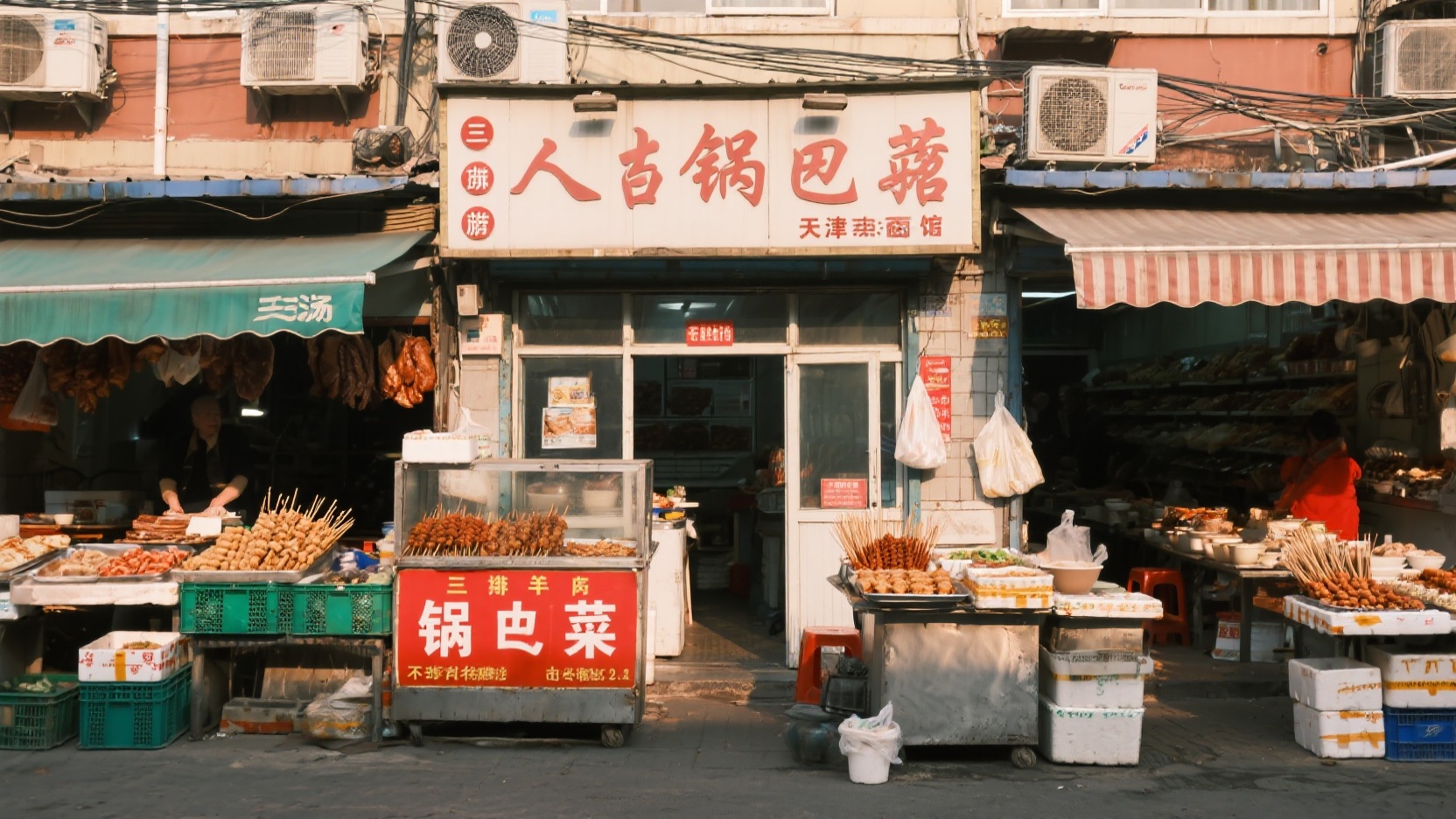
After three trips to Tianjin, I crossed out all the "must-eat" lists on review sites and the "long-queue wonders" featured in short videos, and instead focused on exploring older residential areas, the backs of wet markets, and local breakfast stalls. The first time I followed the trending list and got disappointed; the second time, I ate my way through the city with locals; and only on the third trip did I dare to compile this list. These eight restaurants below haven't done any marketing; their storefronts are so ordinary they're easy to miss, but the food is worth the trip.
The logic behind this recommendation is simple: ignore the decor and ratings, and focus solely on the repeat purchase rate voted by local residents. I've included details on each restaurant's signature dishes and any other worthwhile takeaways in the corresponding paragraphs; I suggest saving this list for future reference.
Northwest corner: Avoid the main street, go around to the back and eat Guoba Cai (crispy rice crust with sauce) and Miancha (millet porridge).
Most tourists, when they think of the northwest corner, head straight for the long queues at the shops on the main street. But the real gem is the local breakfast stalls behind the mosque, where you can find the authentic "old-fashioned Guoba Cai" (crispy rice crust with sauce) that locals line up with enamel bowls in. This little shop, its signboard yellowed from cooking fumes, only serves breakfast. The broth is simmered with pork bones and spices until thick and glistening on the spoon. The crispy rice crust is made from freshly made mung bean flour, cut into diamond shapes, and topped with fermented bean curd sauce, sesame paste, chili oil, and a sprinkle of cilantro. How to order? Just ask for a "large bowl of Guoba Cai plus a steamed bun." Don't order the set meal; the hidden way to enjoy it is to break the bun into pieces and soak it in the broth. There's a fried dough stick stall nearby; buy one, break it up, and mix it in for a delicious combination of crispy and soft textures.
Further into the community, there's a millet porridge stall that only opens in the mornings. There are no seats, so the neighbors stand against the wall with their bowls in hand, enjoying their porridge. The owner is a grandmother in her sixties. She grinds the millet flour with a stone mill, cooking it until it's thick but not mushy. The best part is the "double-layered" method of topping it with two layers of sesame paste and two layers of sesame salt. When you order, you say "double-layered millet porridge," and the grandmother will first lay down a layer of millet flour, then drizzle a layer of sesame paste and sprinkle a layer of sesame salt, then top it with another layer of millet porridge, drizzle another layer of sesame paste, and sprinkle a layer of sesame salt, so every bite is full of flavor. Next to it is a small cart selling tea eggs and sesame flatbreads. Freshly baked sesame flatbreads with tea eggs are a standard breakfast for nearby students on their way to school.
Hongqiao Xiguan Street: The preserved meats and dried cakes in the market hold the essence of old Tianjin's drinking spirit.
Xiguan Street Market is a popular spot for locals to buy preserved meats. One stall there even has its counter set up in the aisle. They don't offer vacuum-packed products, and the owner cuts the meat with a well-worn beef bone knife. Their braised beef is made from the heart of the shank, with evenly distributed tendons. The braising liquid is a long-simmered stock that must be boiled and stored before closing each day for reuse the next day. Their signature way to eat it is "braised beef sandwiched in a hot flatbread." Buy a freshly baked flatbread from the adjacent stall, ask the owner to cut a small piece of braised beef, stuff it inside, and drizzle with braising liquid. With each bite, the aroma of meat and flatbread bursts forth. While you're there, you can also buy a bag of "fried hawthorn berries" at the same market—the sweet and sour flavor is perfect for a light snack on the high-speed train home.
Further down the same street, there's an old shop that only sells three flavors of rice cakes. They make and steam them fresh, with only a few pieces coming out of each steamer. Once they're sold out, you have to wait for the next batch. The red bean paste filling is homemade, and you can even taste the red bean skin. The jujube paste filling is made with small jujubes from Cangzhou in autumn, so it's not cloyingly sweet. When you buy, don't just order the red bean paste; tell the owner "double red bean paste and jujube paste." The freshly steamed rice cakes have a fragrant rice aroma on the outside, and the fillings are piping hot—be sure to eat them while they're hot. Next door, there's a stall selling tea soup in a large copper kettle. If you still have room in your stomach, order a bowl of almond tea soup, sprinkled with candied fruit and raisins—it's refreshing and warming.
Hebei Wangchuanchang: Late-night mutton soup and fried skewers, the lively atmosphere of a community canteen.
Deep within the Wangchuanchang residential area lies a mutton soup shop that only lights up at night. Half of the light bulb on its signboard is broken and hasn't been repaired, but the owner says regular customers know the way. His mutton soup comes in two varieties: "whole mutton" and "offal." The broth is made by simmering mutton bones and crucian carp together, resulting in a milky white color with a sweet and clean taste, free of any gamey flavor. The signature order is "mutton offal soup with a serving of sheep brain," accompanied by a freshly baked sesame seed flatbread. The sheep brain is served separately in a small bowl, dipped in chive blossoms and chili oil, and is as tender as tofu. Next to it is a small cart selling fried skewers, offering only a few types. The vegetarian skewers are chicken cutlets coated in batter, fried until crispy, and then brushed with garlic chili sauce. Many people buy two skewers and soak them in the mutton soup, allowing them to absorb the flavor before eating—a hidden gem in the Wangchuanchang area.
The fried skewers cart deserves its own story. The owner is a quiet, middle-aged man who changes the oil in the fryer daily. The batter for the skewers is thin, highlighting the natural flavor of the ingredients. Besides the vegetarian skewers soaked in mutton soup, chicken gizzard skewers and quail egg skewers are the fastest-selling items. How to order? Tell the owner "crispy," and he'll fry them a little longer for a crispier outer layer. Next to it is a freezer selling homemade plum juice with dried plums and hawthorn. In winter, you can ask him to heat it up; it's a great accompaniment to the fried skewers to cut through the spiciness and richness.
Heping Shenyang Road: Mung bean pancakes and vegetarian spring rolls, the simplest form of carbohydrate happiness.
Next to the Shenyang Road secondhand market, there's a pancake stall. The owner gets up before dawn every day to grind mung bean flour, adding only a little millet flour to the batter to increase its stickiness, resulting in pancakes with a bean aroma. The most worthwhile dish is the "Double Fried Dough Stick Pancake," with two fried dough sticks sandwiched in the middle, brushed with sweet bean sauce, fermented bean curd, and chili oil, and sprinkled with raw scallions—it makes a satisfying crunch when you bite into it. Nearby, there's a thermos selling soy milk; for a small fee, you can grab a large bag, perfect for quenching your thirst while eating the pancakes. This stall doesn't have seating; you eat standing up after you buy. Many local elderly men bring their own eggs—it's a well-known, unspoken rule.
Not far from the pancake stall, there's a cart selling vegetarian spring rolls. The spring rolls are filled with bean sprouts, cilantro, mung bean noodles, and fermented bean curd, wrapped in spring roll wrappers, and fried until golden brown. The signature way to eat them is "spring rolls sandwiched in a flatbread." The vendor places the freshly fried spring rolls on a hot flatbread, crushes them with the back of a knife, and drizzles with chili oil. The flatbread absorbs the excess oil, making it less greasy. Next to it is a cart selling cooked pear cakes; colorful jams are poured over the rice cakes, perfect for grabbing a serving to eat on the go.
After three visits, my biggest takeaway is that the truly delicious food in Tianjin is often hidden away from tourists. You don't need complicated planning; just follow the locals in slippers and carrying enamel bowls, and you can't go wrong. I recommend splitting these eight restaurants into two days to cover breakfast, lunch, dinner, and late-night snacks. The restaurants are all within walking distance of each other, so you can easily digest your food along the way.
Avoid these pitfalls: Three ironclad rules
Rule #1: Avoid peak meal times. These neighborhood shops mostly cater to locals, so during mealtimes they're packed with locals, resulting in long queues and some signature dishes selling out after 10 AM. Going during off-peak hours, such as before 7 AM, 2 PM to 4 PM, or after 9 PM, offers a completely different experience.
Second rule: Don't just order the signature dishes. Many restaurants have hidden ways to enjoy their food in the "pairings," such as pairing guoba cai with guobier (a type of fried dough), mutton soup with sesame seed cake, and flatbread with juanquan (a type of fried dough) with chili oil. If you only order individual items, it's like only eating half the meal.
Thirdly: Remember to bring cash. Some vendors only accept cash, especially the sauce and pancake stalls in the market. Mobile payments sometimes don't work, or elderly people's QR codes might be set up by their children without voice prompts. Carrying some loose change in your bag can avoid awkward situations.