
Six hidden gem restaurants in Tangshan | A list compiled by a blogger after three trips, not just popular spots (with tips on avoiding pitfalls)
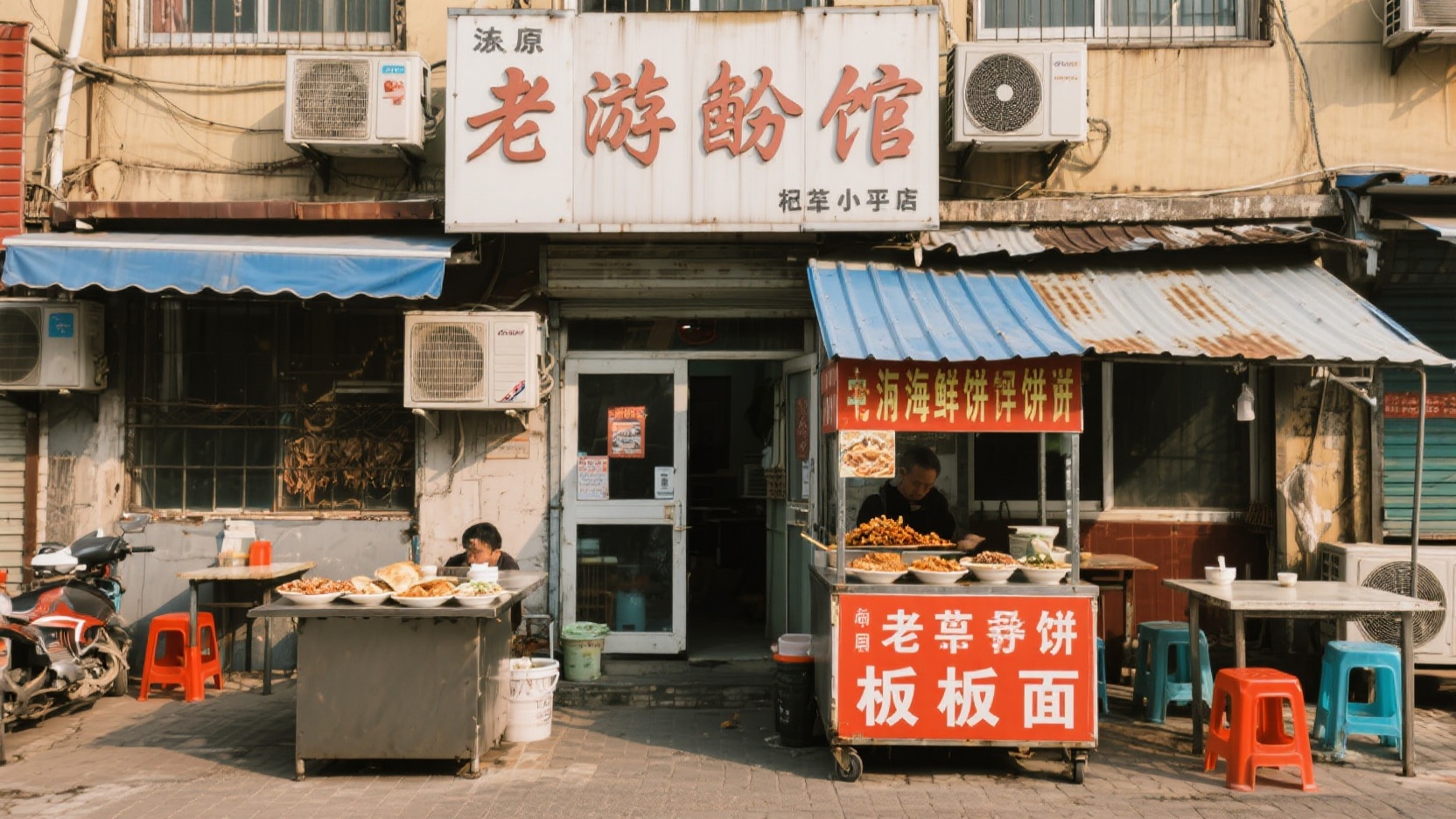
This is my third trip to Tangshan to eat. The first two times I followed the list, but either I had to wait in long lines or I couldn't find the same satisfaction on the faces of the locals. Later, I changed my approach: I went to the entrance of an old residential area at six in the morning, went to the tin sheds on the street at noon, and waited at the dock in the early morning. Only then did I slowly discover this list of Tangshan's local favorites.
None of the following six restaurants are on any must-eat lists, have been mentioned by any marketing accounts, or even have a signboard. But they all have one thing in common: they only appear at certain times, offer only a few items, yet they can still attract regular customers to bring their pots and pans to buy them.
1. The mung bean pancake stall in Kaiping Old Street: They only sell for half a day, and the elderly couple starts grinding the beans at 3 a.m.
Gecha is a common snack in Tangshan, but to truly appreciate the delicate aroma of mung beans, you have to go to the old community of Kaiping. This stall has no name; it's set up under a tin shed on the east side of the old vegetable market, with only a yellowed plastic curtain hanging above it. The elderly couple gets up at three in the morning to grind mung beans, spreading the paste into thin gecha with slightly charred edges.
How to order: Simply say, "One platter of fried dough sticks, please," and a bowl of "dough stick soup." The fried dough sticks are crispy on the outside and tender on the inside, dipped in garlic sauce or salt and pepper; the dough stick soup contains shredded cabbage and cilantro, the broth is clear but very flavorful. Don't just order the fried dough sticks; the combination of fried and soup is the hidden gem among local gourmets. Something to buy nearby: You can grab a serving of braised chicken feet from the cooked food stall next door, perfect for snacking on the way back.
II. Guye tin sheet shed surface: Wide strips for cooling, adding eggs and bean curd sheets is the proper way to cool.
The Anhui-style noodles in Guye have actually been developed into something uniquely flavorful by the people of Tangshan. This stall, located under a tin shed, only opens after 4 PM; if you go early, you'll only see an empty stove. The owner only makes one pot of broth, which contains eggs, bean curd sheets, and ham sausages; the broth is dark and glossy but not overly salty.
How to order: Order "wide noodles rinsed in cold water"—rinse the noodles in cold water before adding the sauce for a chewier texture. The standard set includes a braised egg and a piece of bean curd skin. If you like it spicy, order "extra spicy," and the owner will skim off the chili oil separately with a small spoon. Nearby: You can also buy half a pound of fried chicken frames from the street vendor at the intersection; they're incredibly satisfying to eat with the noodle soup.
3. The cooked food stalls behind Fengrun Bus Station: Smoked chicken in old broth and freshly baked chess piece-shaped sesame cakes.
Fengrun's chess piece-shaped sesame cakes are famous, but this cooked food stall is the locals' first choice for a lazy getaway after get off work. The stall is hidden in an alley behind the bus station and opens around 5 p.m. every day. Smoked chicken, garlic sausage, and braised beef are piled on stainless steel trays, and it gets crowded in no time without anyone shouting.
What to order: The smoked chicken has a subtle fruity aroma when torn apart; the skin isn't salty and the meat isn't dry. You can order just half a chicken. The garlic sausage must be cut into thick slices and eaten with raw garlic. Nearby: The chess-piece sesame seed cakes at the alley entrance are fresh out of the oven. Buy a few of each, one with meat and one with red bean paste; they're crispier when eaten hot.
IV. Seafood Stew at Caofeidian Fishing Port in the Early Morning: A Mixed Fish Feast Available Only When Fishing Boats Dock.
This isn't a shop; it's a temporary stall that only appears around four or five in the morning at the fishing harbor. After the fishing boats dock, the captains sell the leftover small fish and snails to a woman next door who sets up a pot. She then uses a large iron pot to make seafood stew with flatbread. If you go too late, only the broth is left.
How to order: Just say "one serving of mixed fish stew with flatbread." The flatbread is made with unleavened dough and soaks up the broth from the mixed fish and conch, making it very flavorful. If there are small conch available that day, also order a serving of blanched small conch, which is sweetest when dipped in ginger and vinegar. Nearby purchases: There are shrimp paste sun-dried by fishermen at the pier. Buy a small jar to take home and use for stir-frying eggs; it's a staple in locals' refrigerators.
5. Qian'an's unbranded tofu pudding and oven-baked sesame cakes: only available at the morning market; the braised pork head meat sandwich is a hidden gem.
This breakfast stall in Qian'an doesn't even have a name; only nearby residents know about it. The market is busiest around 7 a.m., as the oven-baked sesame cakes are baked one by one in the earthen oven, their aroma wafting across half the street. The tofu pudding is savory, topped with a wood ear and daylily broth, without being thickened with cornstarch.
How to order: For the tofu pudding, add only chive blossoms and a little garlic juice; don't add chili oil, otherwise it will mask the bean flavor. For the sesame flatbread, be sure to order "with braised pork head meat!" The freshly baked flatbread with frozen pork head meat inside is juicy and flavorful. Nearby: There's an auntie selling fried dough sticks on the same street; she sells them individually, so you can buy a few as snacks.
6. Zunhua Manchu Eight Bowls Private Restaurant: No à la carte service, dishes are prepared according to the number of people.
Zunhua is not far from the Eastern Qing Tombs, and Manchu cuisine is common in local homes. This small restaurant is located in a family courtyard. There is no menu; the owner prepares two or four bowls per person, and there is no table turnover or takeout. Most of the customers are regulars; you just need to tell them in advance, "I want eight bowls today."
How to order: If you're going with two people, choose the "small portion with two bowls." It usually includes braised pork belly with sauerkraut and braised tofu. The flavor is on the salty and savory side, and it goes perfectly with a bowl of sorghum rice. If you want to try more dishes, gather at least three or four people and ask the owner to bring four bowls. Nearby shopping: There are chestnut flour buns for sale nearby. They're freshly steamed and have a wonderful chestnut aroma; you can buy a few for breakfast the next day.
Three tips to avoid pitfalls – read them before you go!
First, avoid going during peak meal times. These shops either only operate in the morning or open in the evening, and the truly delicious time is usually within the first hour after the food is cooked. Going during normal mealtimes will either result in them being sold out or having to wait in long, tiring queues.
Second, don't just order the signature dishes. The hidden ways to eat at local restaurants in Tangshan are all in the "pairings". For example, noodles with fried chicken frame, fried dough sticks with braised chicken feet, and sesame flatbread with pig's head meat. Ordering only one of these is like wasting half your trip.
Third, remember to bring cash. Many older stalls only accept cash or have inconspicuous QR code signs, especially in fishing ports and morning markets where the signal is unstable. It's safest to carry some change in your pocket.
After these three trips, my biggest takeaway is that Tangshan's true culinary delights aren't found in tourist attractions or on best-selling lists, but rather in the steamy shacks of the old streets and the sizzling pots at the docks at dawn. Avoid the "must-try" internet sensations; these few restaurants are enough to let you experience the most authentic flavors of this old industrial city.