
Taiyuan Food | Don't miss out on visiting Taiyuan in spring! Locals personally test these 8 dishes from the Winter Solstice to the Minor Cold – they're truly divine!
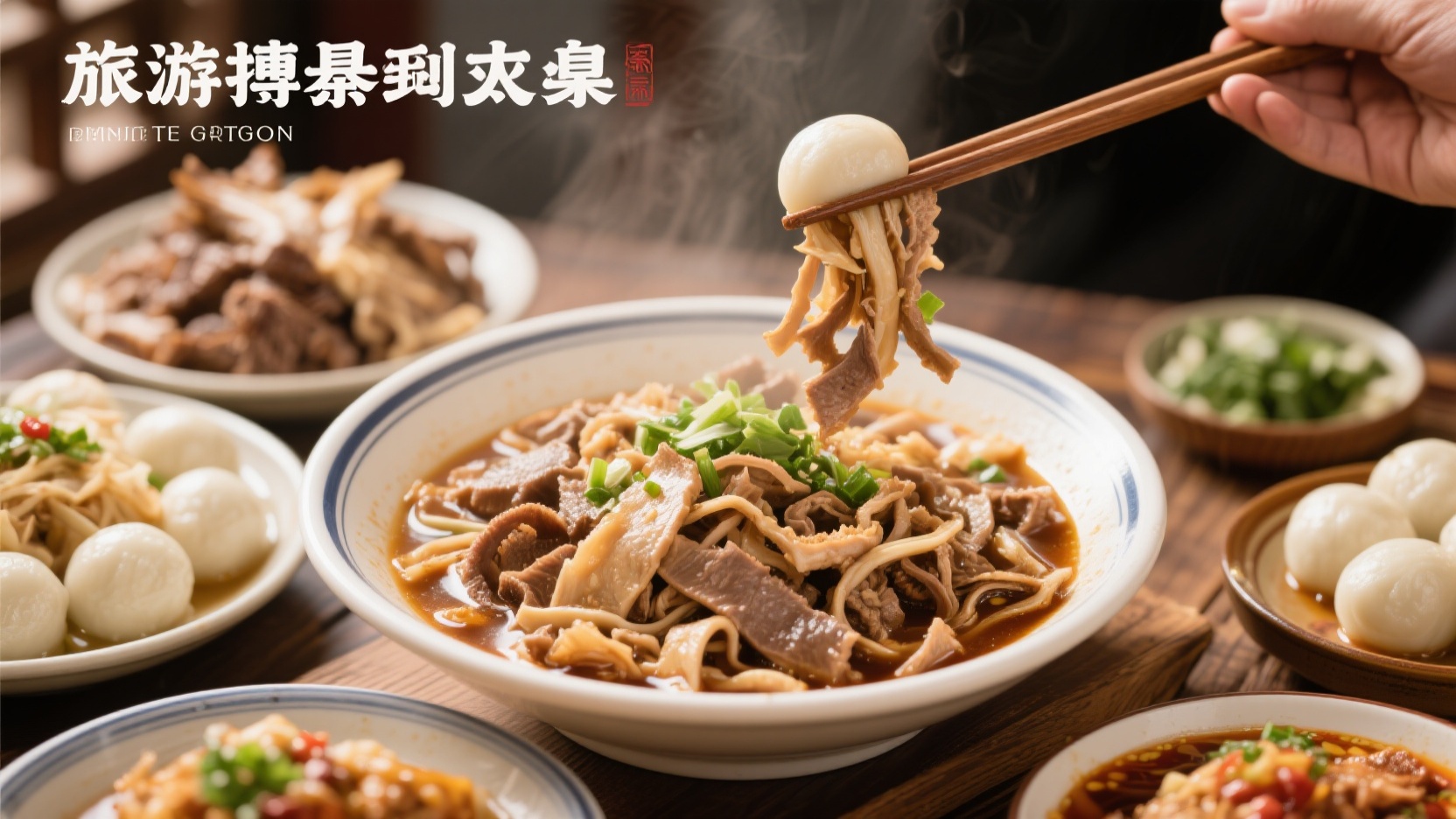
If you only come to Taiyuan in spring, you'll most likely be experiencing a city where the local noodle dishes are often neglected due to wind, sand, and dryness. The real food connoisseurs of Taiyuan wait for the coldest period, from the winter solstice to the minor cold.
Online travel guides often portray Taiyuan as a year-round haven for noodle dishes, as if knife-cut noodles and braised pork are always available. But locals know that Taiyuan's true culinary peak isn't in spring. Springtime in Taiyuan is windy with large temperature differences between day and night, making it easy for hot foods to cause internal heat. From the winter solstice to the Lesser Cold, Taiyuan enters its coldest period, and many seasonal delicacies only begin to appear. This timeframe isn't just a solar term; it's a local winter food calendar.
Breakfast: Brain tonic, hat box, and Shaoxing wine – all three are essential.
In Taiyuan, from the Winter Solstice to the Minor Cold, locals get up early for a bowl of "Tou Nao" (a type of soup). Many outsiders, upon first hearing "Tou Nao," might mistake it for pig or sheep brain, but it's actually a unique medicinal soup in Taiyuan, made with mutton, astragalus, yam, lotus root, and other ingredients. It's only available from the White Dew to the Beginning of Spring each year. Drinking it around the Winter Solstice is believed by locals to ensure they "don't feel cold all winter."
The correct way to eat it isn't just drinking it. First, take a sip of Shaoxing wine to warm your stomach, then break the hollowed-out hat box into pieces and soak it in the soup, along with pickled leeks. The hat box, after absorbing the soup, becomes soft on the outside and chewy on the inside, and the Shaoxing wine helps to mask the medicinal taste. In summer, you'll rarely see this dish in Taiyuan; don't believe those guides that say it's available year-round.
Lunch: Lamb offal stew with fried pastries, a proper meal after the winter solstice.
Taiyuan lamb offal soup is best enjoyed in winter. Lamb soup, offal, and vermicelli are all simmering in a pot; the colder the weather, the richer the aroma of the lamb fat. Many shops are open from morning till noon, but the proper way for locals to eat it is to have a bowl of lamb offal soup with a freshly baked crispy pancake during lunchtime.
Don't rush to add vinegar or chili. Locals in Taiyuan will first drink a few sips of the original broth, then tear the flatbread into small pieces to dip in the soup, and finally stuff the mutton offal into the flatbread. From the Winter Solstice to the Lesser Cold, the richness and warming sensation of the mutton offal soup are unmatched in spring and summer. If you eat it in spring, it's not that it's bad, but it completely lacks the satisfying feeling of gulping down a mouthful of hot soup on a cold day.
Afternoon Tea: Forget the trendy desserts, the heartwarming afternoon tea of old Taiyuan consists of these two items.
In Taiyuan, there's no need to queue for afternoon tea and take photos. After the winter solstice, osmanthus-flavored glutinous rice balls from the Jinci area come to market in large quantities, and locals are accustomed to cooking a bowl of them as a snack in the afternoon. Jinci glutinous rice balls are made by rolling glutinous rice, and the filling contains osmanthus, sesame, and crushed peanuts. After cooking, the soup is slightly cloudy, and the sweet aroma is very straightforward.
Another simpler option is Lao Tai You Cha (a type of herbal tea). Fried noodles mixed with walnuts, peanuts, and sesame seeds—a bowl of this in winter can warm your hands. Many older residential areas have stalls selling You Cha and sesame leaves, offering a cheap and affordable local afternoon tea. Don't bother looking for "Taiyuan-limited edition cakes" in shopping districts; those aren't for this season.
Late-night snack: Lamb and carrot dumplings, a hidden menu item for the Winter Solstice.
Eating dumplings on the Winter Solstice is common in northern China, but for people in Taiyuan, the hidden star of their late-night snack from the Winter Solstice to the Lesser Cold is mutton and carrot dumplings. The mutton filling must be paired with carrots, which are diced but not mashed, giving them a textured feel. The dipping sauce is minced garlic, aged vinegar, and a few drops of soy sauce.
Locals have a saying: "If you don't eat dumplings on the Winter Solstice, your ears will freeze off and no one will care." But people in Taiyuan take this saying very seriously: after 9 pm, some old dumpling restaurants will still have people coming in just for a taste of dumplings. After eating dumplings, drinking half a bowl of dumpling soup will warm you up from the inside out. Dumplings during the Spring Festival are about human relationships, but mutton and carrot dumplings from the Winter Solstice to the Lesser Cold are the authentic late-night snacks that embody the flavor logic of Taiyuan.
The supporting ingredients are the soul of the dish: pickled leeks, garlic vinegar, and Shaoxing wine.
The side dishes in Taiyuan's winter cuisine are often overlooked in travel guides. For example, "Tou Nao" (a type of offal soup) needs pickled leeks, "Yang Za Ge" (a type of offal soup) needs minced garlic and chili oil, and "Yang Rou Carrot Dumplings" (lamb and carrot dumplings) are inseparable from aged vinegar and minced garlic. From the Winter Solstice to the Minor Cold, these side dishes, spicy, sour, and refreshing, perfectly balance the high-calorie main courses.
Locals don't drink Shaoxing wine as alcohol, but rather as a medicinal ingredient. Sips of Shaoxing wine while eating "Tou Tou" (a type of Sichuan hot pot) enhance the flavor of the medicinal dish. When eating dumplings, choose a low-acidity vinegar with a slightly sweet aftertaste; too much will mask the aroma of the mutton. Don't ask locals why they pair these dishes this way; their answer is simply, "It makes the food less greasy."
Seasonal Logic: Taiyuan's Most Underrated Food Season Is Not Spring
Many people choose Taiyuan as a spring outing destination, but springtime in Taiyuan is windy and dry, and consuming too many hot snacks and mutton medicinal dishes can easily cause internal heat. Although the period from the Winter Solstice to the Minor Cold is cold, it is the most natural dietary window for locals to "drive away the cold with heat." Many seasonal ingredients only reach their peak at this time, such as "Tou Nao" (a type of soup), Jinci Yuanxiao (glutinous rice balls), and winter-fat mutton.
Eating in Taiyuan at this time of year isn't about blindly trying every noodle dish; it's about following the locals' pace and experiencing how a northern city uses its four meals a day to combat winter with warmth. You don't have to take photos or queue, but you absolutely must eat at the right time.
In closing: Don't ask the locals if I didn't tell you.
1. This brain isn't a pig's brain, nor is it suitable as a late-night snack. It's only available at the morning market, so you have to ask if they have it that day before you go.
2. When making lamb offal soup, drink the original broth first, then add vinegar and chili. Do not soak the whole piece of fried dough in the soup, or it will turn into a paste.
3. Jinci Osmanthus Yuanxiao are only sold in winter. After buying them, boil them until they float to the surface, then boil for another minute or two before turning off the heat.
4. From the Winter Solstice to the Minor Cold, the temperature difference between day and night is extreme. After eating hot food, don't go out into the wind immediately. Locals will stay indoors for a while.
5. If you come in spring, many food stalls will have already closed. Don't blame Taiyuan for having few delicious foods; it's just that you're visiting at the wrong time of year.