
Forget Zhengding Ancient City | Local's First-Hand Experience: 4 Days in Shijiazhuang Without Paying Entrance Fees - Don't Be Fooled by Travel Guides!
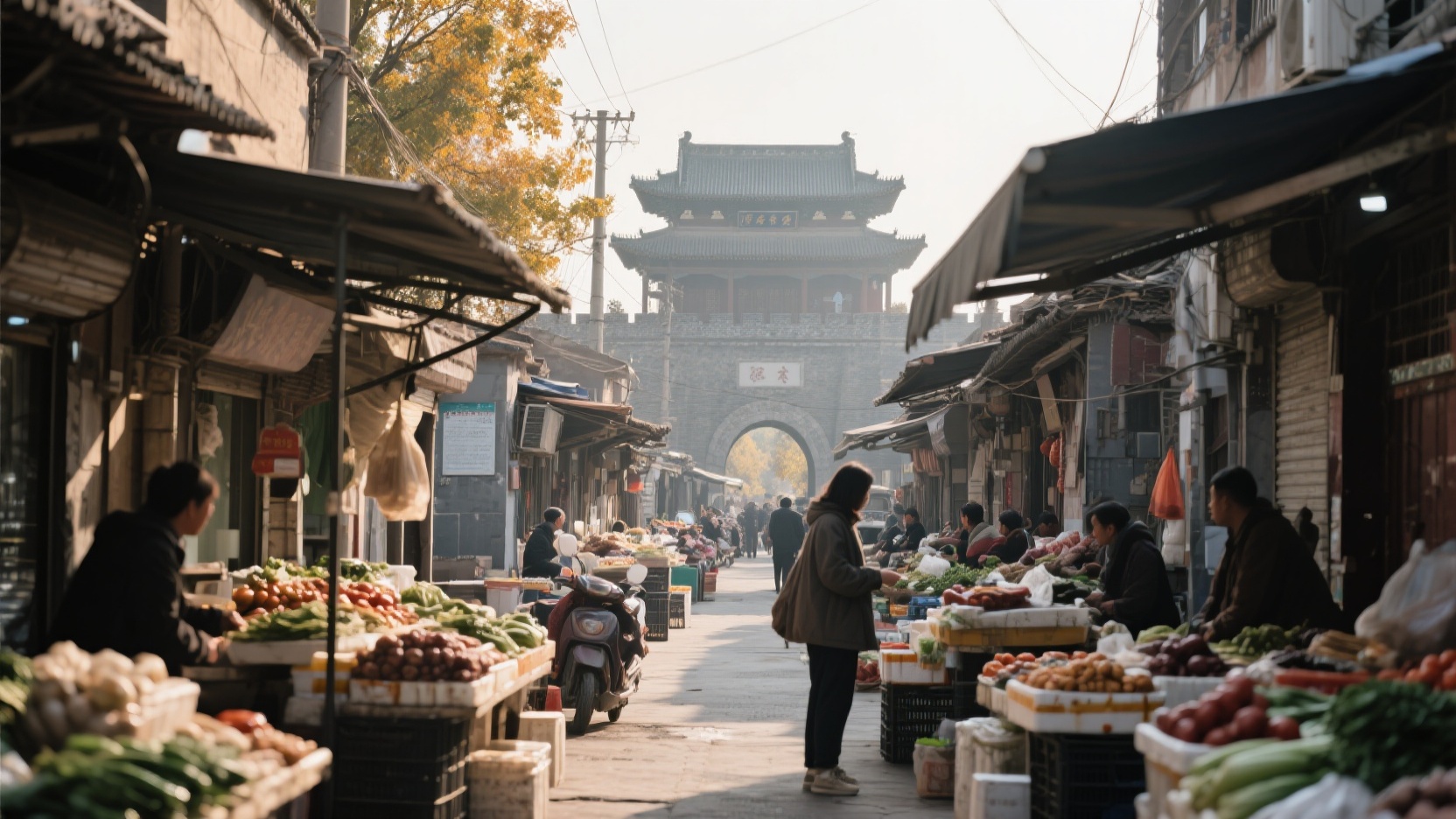
Paying an entrance fee to enter Zhengding Ancient City in Shijiazhuang was my biggest regret – the city walls were new, the crowds were overwhelming, and even after leaving, I was chased by tricycle drivers asking, "Want a ride?" Later, I crossed out all the major paid attractions and spent four days exploring the vegetable market, the back streets of the university, the old factories, and the old alleys, which allowed me to truly grasp the authentic texture of this "city brought by the train."
Shijiazhuang's tourist attractions have always been in an awkward position: the famous ones are too far away, the nearby ones are too new, and the truly authentic places are often not on any lists. Locals don't go to the ancient city on weekends; instead, they go to the morning markets, backstreets of universities, and old factory areas. The following four-day in-depth independent travel itinerary doesn't require any entrance fees, with a different theme each day, making it suitable for solo travelers who don't want to be led by a guidebook.
Day 1: Community farmers' market day, no tourists at the morning market.
Forget the trendy food streets; head to the local markets in the old residential areas around 7 a.m. The morning markets near the Mian Si residential area and in the Xili area are where locals buy their local specialties: clay oven baked flatbread, soy milk and fried dough sticks, and cooked food. The stalls aren't fancy, some even set up under the shade of trees, but the atmosphere is genuinely lively.
Breakfast here costs only a few yuan per person. The clay oven-baked sesame flatbread is crispy on the outside and has a strong sesame aroma when it's fresh out of the oven. You can do what the locals do: buy a flatbread, stuff it with freshly sliced donkey meat or braised meat, and have a bowl of tofu pudding. Sit on a plastic stool and eat. No one will rush you, and no one will be waving flags.
The greatest joy of visiting a farmers' market isn't finding rare treats, but rather experiencing the seasons. Autumn brings locally grown snow pears, pumpkins, and green radishes, while winter brings tricycles stocked with cabbages. Buy only what you like, don't overdo it, because you'll be eating as you go for the next few days.
Day 2: University Surroundings Day – Backstreets Understand Students Better Than the Cafeteria
In Shijiazhuang, universities are concentrated in the Yuhua District. The truly delicious food is never directly opposite the school gate, but rather in the side gates and the back streets of the dormitories. From 5 pm to 8 pm, when students finish class, the vendors start their stalls, and the whole street is filled with the mixed aromas of grilled squid, grilled cold noodles, fried skewers in buns, and flat noodles.
I recommend cycling or taking a bus to the vicinity of those universities. Don't try your luck entering the campuses, as many canteens are not open to the public. Try a little of everything at the backstreet food stalls; for just a few dozen yuan per person, you can have a "student buffet" experience. Anhui-style noodles have become an unsung local specialty here; the chili oil is fragrant and pungent, and a small bowl is enough.
You can sit among students and eat without anyone noticing. After you finish eating, take a stroll along the campus wall and watch clubs set up stalls, couples taking walks, and delivery scooters weaving in and out – it's much more authentic than a nighttime visit to a tourist attraction.
Day 3: Old Industrial Area Renovation Day; Red Brick Chimneys More Upscale Than Antique Streets
Shijiazhuang is more than just a "city built by trains." The old factories along Heping Road and near Tangu North Street record the old industrial history of this city. The Shijiazhuang Iron and Steel Industrial Heritage Park, converted from a steel plant, preserves blast furnaces, pipelines, and railway tracks. Entry is free, and it's less crowded, perfect for a leisurely stroll.
The Cotton Mill No. 3 Creative Block has transformed the old textile factory's red-brick sawtooth-shaped buildings into studios and cafes. The exterior has an industrial feel, and it's reasonably priced to spend an afternoon there. The old red-brick buildings and plane-lined streets in the Huayao area offer a tranquil old-town atmosphere when you ride a shared bike through them.
There are no imitation ancient buildings here, nor the hustle and bustle of "Instagrammable" spots. All you need to do is put down your phone and watch the afternoon light filter through the cracks in the blast furnace. This is an experience that paid tourist attractions can't provide.
Day 4: Old Town Alley Day - Riding shared bikes through the alleys
On your last day, don't take the sightseeing bus. Instead, ride a shared bicycle from Zhengtai Square eastward along Zhongshan Road. The former site of Zhengtai Hotel and the old train station area have been renovated and are open to the public free of charge. The red brick arched windows are very photogenic, but don't linger too long. The real old town is in the alleys behind.
Minsheng Road, Telegraph Bureau Street, and Dajing Street—these names may not be prominent on the map, but riding into them reveals a completely different Shijiazhuang. Dense shade grows as elderly residents play chess or air their quilts in their doorways, popsicles costing a few yuan are sold at small shop windows, and the back alleys of the South Third Street wholesale market reek of knitwear and hardware.
When you get tired of cycling, just find a noodle shop or a baked bun shop near the entrance of an old residential area, order a bowl of hot soup, and listen to the old man at the next table chat about demolition and old railway stories. The transportation cost for this day is so low that it can be ignored, but the density of the city you see far exceeds any travel guide.
Where did the money go if I didn't pay for the entrance ticket?
The four-day itinerary is clearly structured: transportation will be by bus, subway, and shared bikes, costing just a few yuan per ride; meals will mainly consist of morning markets, back streets of universities, and small shops in old communities, costing tens of yuan per person; accommodation will be in budget chain stores or hostels along subway line 1, where you can also wash and dry your clothes in the common areas.
The only things that might cost extra are coffee and prepared foods. The cafes in the Cotton Mill Creative District are mid-range, so it's worth it to visit them occasionally; prepared foods at the market are sold by weight, so don't buy too much at once. Apart from that, there are almost no other places where you'll need to spend money.
In conclusion: Six tips for solo travelers that you shouldn't ask locals about.
1. The morning market starts before 9 a.m., and many stalls close by noon. If you go late, all that's left are vegetable scraps and bean dregs.
Second, the back street of the university is most lively from 5 pm to 8 pm. If you go at noon, you will find it empty. Don't compete with the students for the cafeteria.
3. When taking photos at industrial heritage sites, choose weekday mornings when there are fewer people and better lighting; Shigang Park is spacious, so bring your own sunscreen and drinking water.
Fourth, shared bikes are more suitable for navigating alleys than taxis, but Shijiazhuang has many traffic lights, so ride in the non-motorized vehicle lane and don't go against the flow of traffic.
Fifth, the most comfortable time to travel is from late September to early November. Summer is too hot and winter has heavy smog, so don't try to tough it out in July and August.
6. When eating alone, don't order large dishes. At the market, cooked food is sold by weight, and a small bowl of noodles is enough to fill you up. Don't look for "authentic" signs near tourist attractions.