
Shijiazhuang Seasonal Food Hunting Diary | 8 Local Must-Try Restaurants I Compiled After Four Seasons (A Checklist to Avoid Potential Food Mistakes)
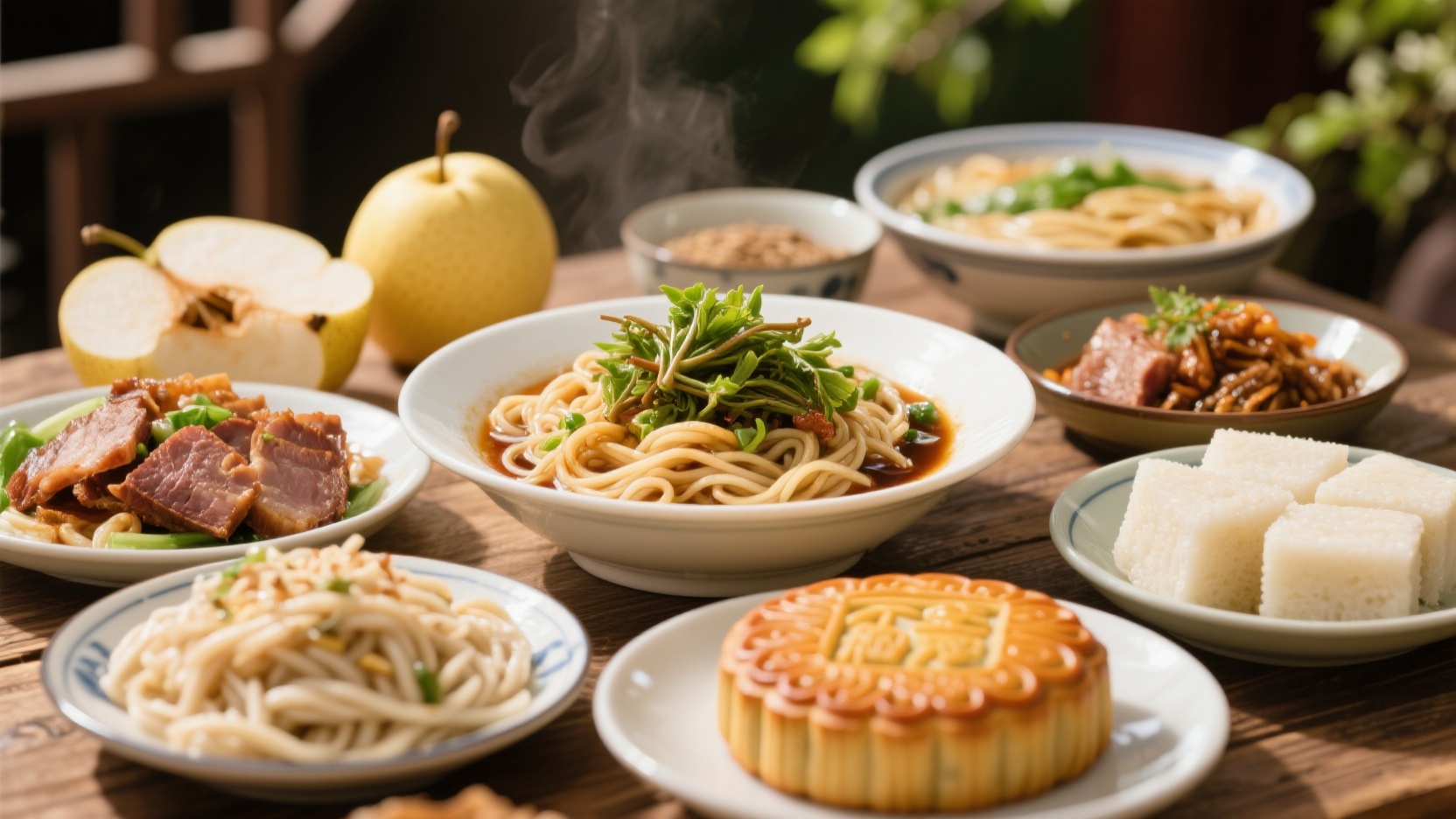
While exploring Shijiazhuang's culinary scene, my biggest mistake was blindly following trendy lists: searching for the "most authentic snow pears" in the sweltering summer heat, queuing for noodles in late autumn, only to be jolted awake by a local friend's words—"You've come at the wrong time." Shijiazhuang's true culinary map isn't on chain store signs, but in the local markets and seasonal calendars. It took me four seasons, from the Lingshou morning market to the Zhaoxian pear orchard, to compile this list of "eating according to the seasons." These eight dishes are so good, you'll have to wait another year if you miss them.
From the Spring Equinox to Grain Rain: The first harvest of toon and elm seeds is hard work; if you miss it, you'll have to wait another year.
From Qingming to Guyu, the first batch of red-oil toon shoots in Lingshou, Pingshan, and Jingxing mountains only sprouts for about ten days. After Guyu, the stems become woody, and the aroma dissipates. The most authentic way for locals to eat it is "Toon Sprouts with Tofu": quickly blanch the toon shoots, chop them finely, and sprinkle them on Jingxing braised tofu, seasoned only with sesame oil and salt, the bitterness and bean fragrance complementing each other. Those who are more particular will make "Fried Toon Sprouts," where whole tender shoots are coated with a thin batter and fried fresh, crispy on the outside and tender on the inside, they will lose their charm if they soften.
Almost simultaneously, elm seeds and locust flowers also appear, both inseparable from "Kulei," a common Hebei-style steamed dish. Elm seeds or locust flowers are mixed with cornmeal and steamed, then topped with fresh minced garlic, Jingxing persimmon vinegar, and Sichuan peppercorn oil. Elm seeds are plump for only about ten days around Qingming Festival, while locust flowers become bitter a couple of days later. They are eaten loosely, chewed in large bites, allowing the sweetness, roughness, and spiciness to emerge in layers. This "poor man's meal" actually captures the fleeting flavors of spring in the simplest way.
From the summer solstice to the hottest period of summer: Jingxing minxuer (a type of steamed bun) and buckwheat cake are best eaten cold to cool down in the heat.
From the summer solstice to the hottest period of summer, every household in Jingxing and the mining area makes "minxu'er". A paste of bean flour is poured into boiling water through a squeegee, resembling small tadpoles. After cooking, it must be thoroughly rinsed in cooled boiled water before being topped with sesame paste, cucumber strips, vinegar and garlic sauce, and freshly fried Sichuan peppercorn oil. It's cooling and easy to digest; eating it hot just doesn't taste right. Locals believe in eating "minxu'er cold during the hottest days of summer," believing that a bowl of it can relieve half the summer heat.
Another dish served only in summer is buckwheat cake. Buckwheat flour is cooked into a thick cake with five-spice powder, cooled, cut into pieces, and then tossed with minced garlic, vinegar, light soy sauce, and mustard oil. It's best eaten the hotter it gets, as buckwheat is cooling. In Zhaoxian County, market vendors only offer a spoonful of garlic juice and a few drops of mustard oil—a single bite is incredibly refreshing. After the start of autumn, this snack becomes less common; the cooler the weather, the less palatable it is to the stomach.
From the Autumn Equinox to Frost's Descent: Zhaoxian Snow Pears and Huangzhuang Mooncakes – the perfect combination around the Mid-Autumn Festival.
The true golden season for Zhaoxian snow pears is from the Autumn Equinox to the Frost's Descent. The sandy loam soil allows the pears to accumulate sugar, but only when they are hanging on the tree around the time of the Frost's Descent, when the temperature difference between day and night is significant, will the flesh become crisp, sweet, and fiberless, with a snow-white appearance when bitten into. Fruit farmers pick the pears while they are still dewy, peel them, and eat them directly, the juice flowing down their wrists. Locals make pear paste and stewed pears, but connoisseurs say that eating fresh pears directly around the time of the Frost's Descent is the greatest respect for the produce.
Almost simultaneously, Gaocheng Huangzhuang mooncakes also appeared. They only appeared in workshops in Huangzhuang Village a month before the Mid-Autumn Festival, baked and sold fresh. The crust was flaky and crumbly, and the five-nut filling contained peanuts, sesame seeds, and candied fruit peel, giving it a distinct grainy texture. Locals would buy them and let them cool to a semi-warm temperature before eating, paired with a cup of Zhaoxian pear blossom tea. A few days after the Mid-Autumn Festival, the workshops closed, and this warm, flaky treat had to wait until next year.
From the Winter Solstice to the twelfth lunar month: Zhengding's Eight Bowls and Pingshan's Cured Meat Noodles, hearty dishes for snowy days.
Once the winter solstice passes, people in Zhengding begin preparing "Eight Bowls": four meat dishes and four vegetable dishes. Pork belly, crispy pork, meatballs, sweet potatoes, and kelp are steamed in bowls for a long time, keeping well in the cold weather and becoming more flavorful with each reheating. The pork belly with skin is first boiled, then fried, and finally steamed, resulting in a tiger-skin pattern on the skin that melts in your mouth. The sweet potatoes in the vegetable bowls soak up the meat juices and are even more popular than the meat itself. Locals traditionally eat the vegetables first, then the meat, and finally use the broth at the bottom of the bowl to mix with rice. This dish is rarely made in summer; it's only during the coldest days of winter that one can enjoy this deeply warming and satisfying meal.
West of Zhengding, in the twelfth lunar month, every household hangs air-dried cured meat under their eaves. Pingshan cured meat noodles are a hardcore winter specialty: local pork belly is thoroughly cured for a month with coarse salt and Sichuan peppercorns, then air-dried and smoked. When cooking noodles, it's cut into thick slices and served with potatoes, cabbage, and glass noodles. The fat melts into the broth, giving it a milky white color. Locals add a little "meat broth oil" from the cured meat vat to the noodles, sprinkle with chopped scallions, and the flavor is rich and savory. This meat must be air-dried at low temperatures in the twelfth lunar month to retain its aroma; once spring arrives and the weather warms up, the flavor diminishes.
Blogger's Summary and Practical Tips
I visited this list three times according to the solar terms, and my biggest takeaway is that there's a timetable for delicious food in Shijiazhuang. In spring, head to the mountains for a tough hike around Qingming Festival; in summer, rush to Jingxing for cool, refreshing snacks during the hottest days of summer; in autumn, pick pears and queue for mooncakes in Huangzhuang; after the winter solstice, enjoy the "Eight Bowls" in Zhengding and pickled meat noodles in Pingshan. You don't need to remember the restaurant names, just the solar terms.
Practical Tips: 1. Spring wild vegetables are tough, so it's recommended to go to the early morning markets in Lingshou or Jingxing to get freshly steamed and mixed; avoid buying frozen ones from supermarkets. 2. Summer vegetables like "minxu'er" and "bagao" become less common after the start of autumn; you need to go during the hottest days of summer. 3. Zhaoxian snow pears are sweetest around the time of Frost's Descent, and Huangzhuang mooncakes are only made for about a month around the Mid-Autumn Festival; you can combine these trips. 4. "Eight Big Bowls" and "Braised Meat Noodles" are suitable for sharing among a large group, costing tens to hundreds of yuan per person, depending on your budget. 5. Seasonal delicacies are mostly hidden in county towns and markets; it's recommended to drive or hire a car and avoid peak seasons by a day or two to experience less crowds and a more authentic local atmosphere.
Eating according to the seasons is the right way to experience a city.