
These 6 hidden gem restaurants in Shenzhen | A local favorite I compiled after three trips (not the trendy ones)
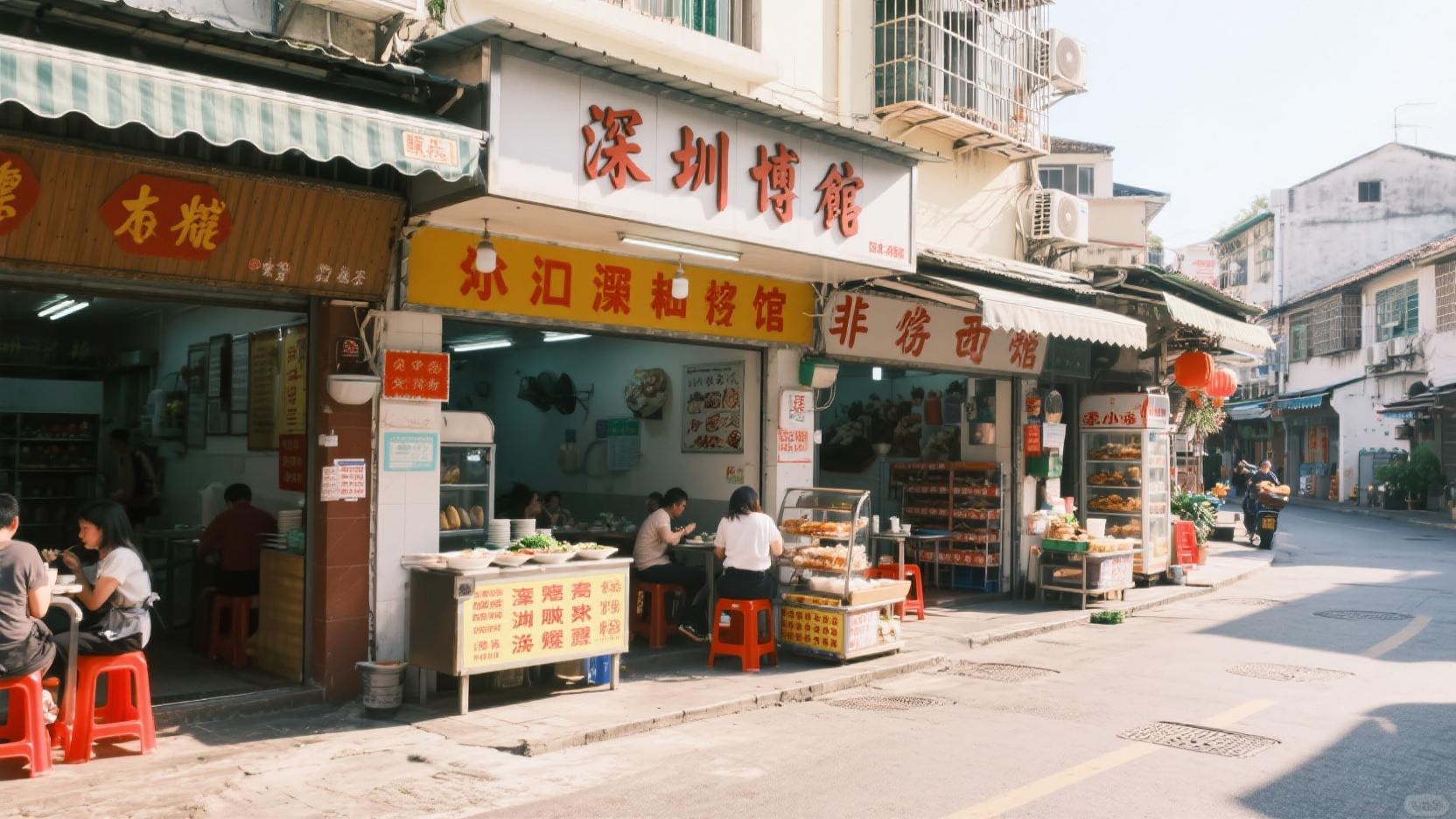
When looking for food in Shenzhen, I dread hearing things like, "This place is on the must-eat list." After three trips to check out different spots, from the late-night fireplaces of Shekou Old Street to the morning steam of Yantian Rice Noodle Rolls, I deliberately avoided the marketing and tourist crowds, only going into small shops with local electric scooters parked outside. The following six places aren't advertising, but each one is worth the extra kilometer you'd walk for.
Shekou Old Street: No-signboard claypot rice and sweet soup next to the seafood shop
The nights in Shekou Old Street are more authentic than the days. There's a clay pot rice stall on the ground floor of a residential building, with no lightbox, just a handwritten sign that says "Clay Pot Rice." The owner uses traditional clay pots, resulting in rice that's crispy yet not hard. Their signature dish is a combination of preserved meats; be sure to add a poached egg. Don't stir it immediately upon serving; wait until the egg is half-cooked and coats the rice before drizzling it with their homemade soy sauce. Nearby, you can buy dried shrimp and scallops from the seafood stall at the street corner. The dried goods are reasonably priced; adding a few to your noodles at home will elevate the flavor to a whole new level.
What impressed me most about this restaurant was its perfect cooking technique—the owner insists on using a traditional charcoal stove, resulting in rice with a subtle charcoal aroma, a rare find in Shenzhen these days. Avoid going during peak lunch hours; there will be a queue before noon, but after 1:30 PM you can usually get a seat almost immediately.
Yantian Rice Noodle Rolls: Egg and Meat Dumplings at 6:30 AM
Most rice noodle roll shops in Yantian cater to tourists, but this one, hidden in an alley behind the seafood street, only operates in the morning, opening at 6:30 am and closing at 9:30 am. The owner's rice noodle sheets are so thin they're translucent, and the rice flour is freshly ground daily, giving it a fragrant rice aroma. The signature dish is egg and meat rice noodle roll with dried shrimp. Their dried shrimp is sun-dried themselves, so it's not fishy but has a sweet, seafood flavor. When you order, saying "double extra" will automatically add egg, meat, and a sprinkle of dried shrimp.
Why is it worth going? Because it's rare to find this kind of handmade rice noodle roll in downtown Shenzhen. The sauce isn't overly salty soy sauce, but rather a base made with shiitake mushrooms and shrimp shells. You can also buy sweet soy milk and taro cake from the breakfast stalls on the sidewalk. The sweet soy milk paired with the rice noodle roll is a perfect way to cut through the richness. A tip to avoid: Don't just order the signature dish; their double rice noodle roll + pig's blood soup is a local favorite, but the pig's blood soup sells out quickly and isn't refilled, so go early.
Futian Village: A combination of Chaoshan-style cold dishes and licorice fruit
The late-night snacks in Futian Village are never limited to trendy restaurants. One stall, located near the side entrance of the market, offers cold dishes without a menu; instead, over twenty kinds of seafood and braised meats are displayed on the counter. The essence of Chaoshan cold dishes is "ordering by looking at the ingredients," and first-timers can ask the owner to recommend the best fish of the day. Their signature dish, which I've ordered three times, is raw marinated blood clams—cleaned thoroughly, with a strong garlic flavor and just the right amount of acidity. Another hidden gem is the mixed fish stewed with Puning fermented bean paste; the fish is so tender that the bones fall off with a touch of chopsticks.
Why is it worth going? This place is just like a typical Shantou street food stall—no fancy decor, just plastic stools like in a street food stall, but the freshness of the ingredients is better than many big restaurants. You can also buy some licorice fruit, green mango strips, and guava sprinkled with galangal powder nearby to take back to your hotel with cold dishes—it's refreshing and addictive. Remember to bring cash; the auntie at this cold dish stall only accepts cash, and the first two times I went, I had to run out to find a convenience store to exchange money.
Bao'an Xixiang: Roast Goose Rice Noodles and Ai Ban from Nantou Ancient Town
Roast goose rice noodles are common in Shenzhen, but this neighborhood shop in Xixiang, Bao'an District, makes its rice noodles fresh daily by hand, resulting in a smooth yet chewy texture. Roast goose leg must be ordered separately; the owner will ask "Upper or Lower Zhuang," with the Lower Zhuang being more oily and flavorful. The signature dish is roast goose leg rice noodles; the goose skin is crispy, and the meat juices infuse the broth, giving it a subtle herbal aroma that doesn't overpower the other flavors. Nearby, you can buy handmade fish balls from the entrance of the Xixiang Market; these raw fish balls are sold by weight to take home and make soup—fresh, sweet, and substantial.
On the outskirts of Nantou Ancient Town, there's a Hakka grandmother's stall selling mugwort cakes (艾粄). It only opens after 4 PM, offering green mugwort cakes and radish cakes. Why is it worth a visit? Because it's hard to find this traditional Hakka snack in Shenzhen city. The mugwort aroma is rich, and the filling is stir-fried dried radish and dried shrimp—soft, chewy, and not sticky. You can combine it with a trip to Bao'an to eat roast goose and rice noodles; have roast goose in Bao'an first, then buy mugwort cakes as souvenirs in Nanshan. The signature mugwort cakes should be eaten hot; they'll harden when cold.
Three things to avoid: Don't go during peak meal times, don't only order the signature dishes, and remember to bring cash.
First, avoid peak meal times. These six shops mostly cater to locals and don't have a queuing system, so you'll likely have to stand for at least half an hour during peak hours. This is especially true for Yantian Rice Noodle Rolls and Futian Village Cold Dishes; the experience is completely different if you go early or late. Second, don't just order the signature dishes. The signature dishes are the starting point, but each shop has a hidden local specialty, such as Yantian Rice Noodle Rolls with pig's blood soup, or claypot rice with a poached egg. Ordering only the signature dishes will make you miss half the fun.
Thirdly, remember to bring cash. Although Shenzhen is a cashless city, many places, from the cold food stalls run by aunties in Futian Village to the rice cake stalls of grandmas in Nantou, and even the old men selling claypot rice in Shekou, prefer to accept cash. The most embarrassing time during my three visits was when I stood in front of a cold food stall, frantically searching my phone but finding nothing, and finally had to exchange money at a nearby fruit shop. I suggest carrying some small change, especially when visiting older neighborhood shops.
These six restaurants aren't all the food in Shenzhen, but they're definitely among the least favorites I'd like to mention. They don't have marketing, elaborate presentations, or even signs, but every bite gives you the feeling that "there are still people in this city who are seriously cooking." If you're tired of queues and filters, why not check out this list? For planning, Shekou claypot rice is perfect for a late-night snack, Yantian rice noodle rolls are great for an early start, and Futian Village, Bao'an Xixiang, and Nantou Ancient City can be visited over two days.