
Sanya Food Avoidance | Don't go to Sanya in winter just to eat rice; locals recommend these 7 dishes only during the Grain Rain season for the best taste.
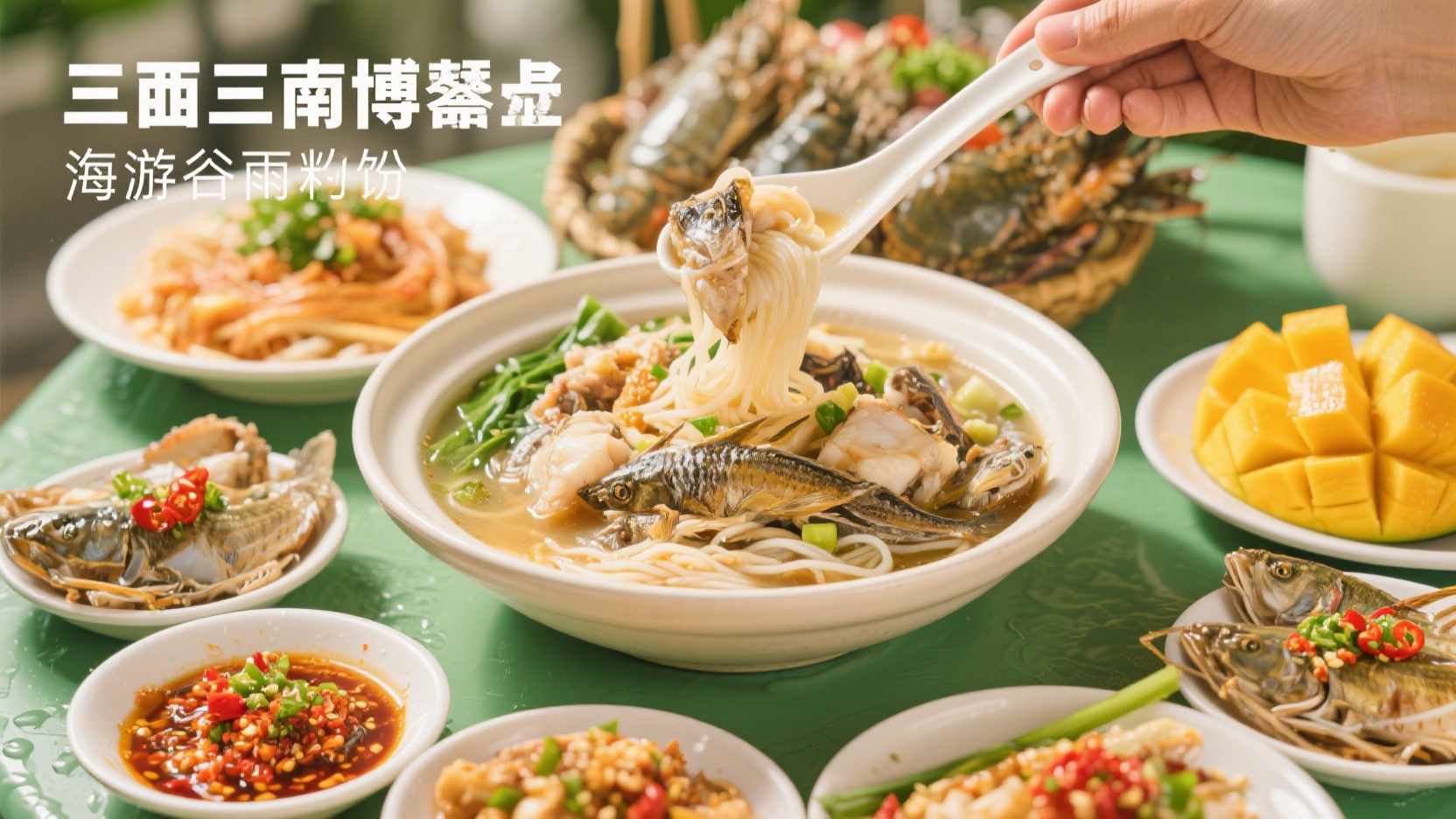
Having lived in Sanya for eight years, what I dread most is hearing friends from other places say, "Winter is the best time to eat seafood in Sanya"—this is almost the biggest misunderstanding about Sanya's cuisine. Winter is the peak season for tourists seeking respite from the cold, but it's precisely when locals eat out the least and the seafood is least "Sanya." Fishing boats return to port late, and there's less seafood near the shore, so many food stalls use farmed seafood or cold chain products from other places to replenish their supplies, and the prices are inflated.
True food connoisseurs wait until the Grain Rain to Summer Solstice each year: the off-season sees fewer crowds, near-shore fish are plump, tropical fruits begin to ripen, and the Tanka fishing rafts hold the freshest bites of the year. This list is open to all, because it's all based on my own experience, tasted bite by bite. This post doesn't feature trendy restaurants; it simply lists seven foods I repeatedly visit during this season, categorized by breakfast, lunch, afternoon tea, and late-night snacks.
Breakfast: Don't queue at Hou'an Rice Noodle Shop; on the morning of Grain Rain, locals are all slurping Gangmen Rice Noodles with blanched baby squid.
Around the time of Grain Rain (a solar term), it's the tail end of the breeding season for small squid and shrimp in nearshore waters. Fishermen returning to port in the early morning will leave a basket of "Grain Rain squid" for their familiar noodle shops. The soup base of Gangmen Noodles is made by simmering pork bones and sea snails. On this day, adding a spoonful of fresh squid soup doubles the freshness.
Locals have a fixed way of eating it: add yellow lantern chili sauce and white pepper powder to the rice noodles, and order a separate dish of blanched baby squid dipped in lime soy sauce. First, take a couple of sips of the original broth, then pour the squid and its juices into the rice noodles, one bite of noodles followed by one sip of broth, the freshness is so intense it makes your scalp tingle. This combination is not available in winter because the baby squid from the near sea don't come ashore.
Breakfast bonus: Guyu pickled beans with Yazhou sour rice noodles, only available once a year.
In the ancient city of Yazhou, there's an old-fashioned sour rice noodle shop that doesn't use vinegar essence, but rather locally grown sour beans. Around the time of Grain Rain (a solar term), the sour beans plump up for the first time, producing a clear, fruity tang with a pleasantly mild, not overpowering, flavor. After the Beginning of Summer (a solar term), the sour beans become tough and the flavor dulls.
Locals often add a spoonful of pickled yellow peppers and fried dried sandworms to their noodles, creating a sour, spicy, and sweet flavor. They also order a pot of hot partridge tea to cut through the richness. This bowl of noodles isn't famous in the ancient city, but the old residents of Yacheng look forward to this festival every year.
Lunch: "Grain Rain Mixed Fish Stew" - a local specialty from fishing boats, not available at seafood markets.
From Grain Rain to the Beginning of Summer, the small sea bream, mudskippers, and rock bream in the shallow waters of the Beibu Gulf and Xisha Islands have just finished spawning, and their flesh is at its thickest. The Tanka people's homemade mixed fish stew doesn't use expensive fish, only the loose catches of the day, simmered in a clay pot until the soup turns milky white, and even the ginger slices are fragrant. Some gourmets will even ask the owner to save the fish liver, which they steam and then mix with the soup.
Locals prepare it by adding sour star fruit for extra flavor, drinking the soup first, then eating the meat, and finally using the fish broth at the bottom of the pot to scoop up red rice. Don't buy large lobsters or Boston lobsters at the seafood market; that's just for tourists. You can't get a real Guyu mixed fish stew even if you pay a lot of money.
The second course for lunch was sour fish soup with lamb, and the sour star fruit served with small sea fish made it less bitter.
The sour fish soup in Huixin Village, Yanglan Town, uses star fruit that is at its crispest around Grain Rain (a solar term), with a bright sourness that is not bitter. It is cooked with small sea fish caught that day, and the soup has a slightly yellow color. One sip and the sour and fresh taste hits you right in the head, even more wild than Tom Yum soup.
Locals always add pickled beans, shredded ginger, and small red chilies when eating this soup. The fish is dipped in garlic soy sauce, and halfway through, water spinach is added and cooked. This soup tends to be sour and astringent in winter; only star fruit harvested around Grain Rain can bring out its clear, refreshing sourness.
Afternoon tea: Mango with chili salt, a unique treat available only with the first harvest of Guifei mangoes around Grain Rain, served both raw and ripe.
The first batch of mangoes in Sanya is harvested around the time of Grain Rain (a solar term in the Chinese lunar calendar). The Guifei mangoes have green skin and yellow flesh, with a slightly sour taste. Locals don't even wait for them to soften before cutting them into strips and dipping them in chili salt, where the sweet, sour, spicy, and salty flavors explode in your mouth.
The proper way to eat fruit during Grain Rain (Guyu) is to eat it both raw and cooked: riper fruit can be eaten directly, while unripe fruit is dipped in chili salt. The dipping sauce should be made with local red salt, which has an added mineral aroma compared to regular salt. Pair it with a glass of chilled yellow-skinned fruit brine to cut through the richness and reduce internal heat. However, this combination is more likely to upset the stomach and spleen after the start of summer when the weather becomes humid.
Afternoon tea bonus: Qingbuliang (a type of sweet dessert soup) with Pandan Jelly – perfect for a refreshing treat before the start of summer without being overly sweet.
There are many types of Qingbuliang (a type of sweet soup) in Sanya, but during the ten days or so from Grain Rain to the Beginning of Summer, locals will request less sugar, pandan jelly, and fresh coconut meat. At this time, the coconut milk is not too sweet, and the pandan jelly has a slight grassy aroma. A bowl of it is neither too sweet nor bloating.
I usually pair it with a small plate of fried barley cakes, crispy on the outside and chewy on the inside. Don't order those trendy ones piled high with canned fruit; the best way to enjoy Grain Rain is to keep it simple.
Late-night snack: Hou'an rice noodles paired with freshly grilled Guyu dried squid, a "sea-exclusive" item from a late-night food stall.
On the night of Grain Rain, the tide rises slowly, and fishermen return to port early. The squid at the night market is the "Grain Rain Squid," caught fresh that day. It is thin, tender, and not hard. It is grilled until slightly curled, then torn apart and eaten with lime chili sauce, which is sweet, spicy, and fresh.
Served with Hou'an rice noodles, the soup base is made with pork bones and shrimp, seasoned with white pepper and chopped celery. First, drink half a bowl of the soup, then eat the squid, and finally pour the remaining soup into the squid plate and mix it up. This is a hidden way of eating it among the locals.
In winter, Hou'an rice noodle stalls mostly use frozen squid, which has a texture like chewing rubber. This limited-time flavor, with its salty and sweet taste from the sea breeze, can only be enjoyed for about ten nights around Grain Rain.
In closing: Don't ask the locals if I didn't tell you these 5 things.
1. Seafood in Sanya is not plump and is expensive in winter. The real season for locals to eat seafood is from Grain Rain to the Beginning of Summer, when there are fewer tourists and the prices are reasonable.
2. Don't buy those arm-sized lobsters at the First Market. Gu Yu recommends buying them only from the Tanka fishing rafts and small-town noodle shops, not from seafood processing shops.
3. The sourness of Sanya sour fish soup and Yazhou sour rice noodles comes from tamarind or star fruit, not vinegar essence. Ask before you eat, otherwise you may end up with a bad experience.
4. Around Grain Rain, the humidity in Sanya is not too high, making it suitable for eating Qingbuliang (a sweet soup) and mango with salt. After the Beginning of Summer, the muggy weather can easily cause stomach upset, so locals will also stop eating these foods.
5. Many seasonal foods are only available for one to ten days at a time. You need to go early for afternoon tea, as they will be sold out and the stalls will close up shop if you go late. Don't believe the guides that say "they are also available at night".