
Qingdao's Freshest Delicacies | A Limited List of Foods Available According to the Seasons (A Must-Have for Tourists)
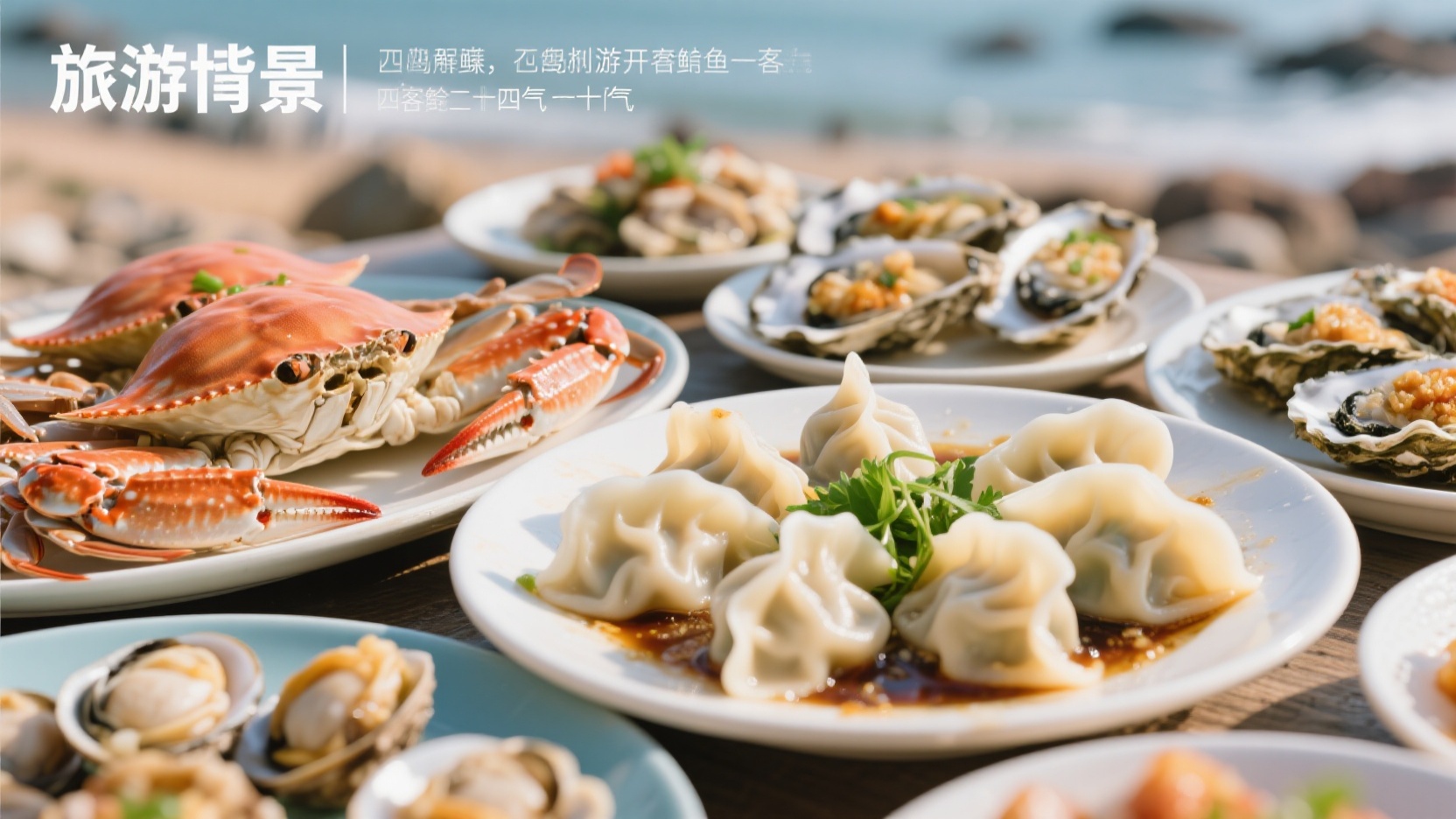
Having eaten in Qingdao for ten years, the biggest mistake I've made isn't a trendy restaurant being bad, but ordering swimming crabs that aren't plump until September when I'm in March. Qingdao locals never ask about "signature dishes" when ordering; they first ask, "What kind is plump now?" The same sea, but a difference of just half a month, and the freshness is worlds apart. This Qingdao-specific menu, organized by season, is the result of my visits to the Four Seasons Wharf and morning markets—a cure for "coming all this way but not being able to find the right thing to eat."
Qingdao locals' appetites follow the tides and the seasons. The following dishes can only be enjoyed at the right time; once they're out of season, even locals won't touch them.
I. From Qingming to Guyu: The filial piety embodied in the saying "When the mackerel leaps, the father-in-law smiles."
Every year from Qingming Festival to Grain Rain, blue-spotted mackerel migrate to the waters near Qingdao. During these two weeks, the mackerel are at their fattest before spawning, with a bluish-green sheen on their backs and firm flesh that can be held upright by chopsticks. Local tradition dictates that around Grain Rain, a son-in-law should give his father-in-law two large mackerel.
When choosing mackerel, look for clear eyes and a springy body. This season is perfect for making mackerel dumplings. Scrape the fish meat into a paste with the back of a knife, add Sichuan peppercorn water and chives, and it will be juicy when you bite into it. Locals prefer frozen fish to out-of-season fresh fish, waiting until after Grain Rain (a solar term) to buy them. If you want to enjoy this delicacy, early April is the best time.
II. From the Beginning of Summer to Grain Full: Hongdao clams are at their fattest, and seaweed jelly is at its smoothest.
With the arrival of summer, the water temperature in Jiaozhou Bay rises, and the clams from Hongdao Island enter their fattening period. These clams are small in size but have thin shells and plump meat, and their sweetness is much higher than that of ordinary clams. Locals buy them and let them sit in salt water to remove sand before boiling them in their own broth or stir-frying them with chili, basically without blanching them.
At the same time of year, seaweed jelly made with agar-agar is also at its best. The first harvest of agar-agar is rich in gelatin, resulting in a translucent and chewy jelly. Sliced into strips and served with minced garlic, rice vinegar, and crushed dried shrimp, it's the perfect refreshing dish for early summer. If you only focus on beer when visiting Qingdao in May, you might easily miss these two things.
III. Summer Solstice to Minor Heat: A Hot and Cold Combination of Draft Hops and Steamed Eggs with Purple Sea Urchin
After the summer solstice, temperatures rise, and the yeast activity is at its peak for draft beer brewed that day, resulting in the most pronounced hop aroma. Locals have a particular fondness for "carrying" draft beer home in plastic bags, a customary practice even without using glasses.
The hidden gem paired with draft beer is steamed egg with purple sea urchin. From the summer solstice to the minor heat, the gonads of purple sea urchins are at their fullest, and their color resembles crab roe. Locals buy freshly opened sea urchins, mix them into the egg mixture, and steam until just set, keeping the sea urchin in chunks. The chilled draft beer perfectly balances the rich aroma of the steamed egg. After the minor heat, the sea urchin becomes hollow, and the window of opportunity is only about twenty days.
IV. From White Dew to Autumnal Equinox: The First Catch of Swimming Crabs and Squid at the Start of the Fishing Season
After the fishing season opens in September, catching the first blue crab in the sea is the most important event of autumn in Qingdao. From the White Dew to the Autumn Equinox, the female crabs are full of roe, and the male crabs have sweet meat. Locals choose crabs by looking at the color of the navel and the hardness of the shell; a heavy feel and no empty shell are the basic requirements.
In Qingdao, swimming crabs are only steamed and dipped in minced ginger and vinegar, with perhaps a touch of sugar to enhance the flavor; soy sauce is absolutely forbidden. Also arriving in large numbers during the same season are squid, which are blanched and then dipped in ginger juice or stewed with tofu. Their flavor is even fresher than squid, making them an easily overlooked autumn delicacy.
V. From Frost's Descent to the Beginning of Winter: The Everyday Flavors of Sun-Dried Mackerel and Frost-Covered Chinese Cabbage
After the first frost, the north winds become drier, and mackerel begin to hang on balconies in Qingdao's old town. This isn't sun-drying salted fish, but rather a "sweet sun-drying": after being lightly salted, the fish is partially dried by the low temperature and north wind, resulting in a dry surface but retaining a layer of oil and sweetness inside. Steamed and shredded by hand, it's best enjoyed with cornbread.
At the same time of year, Jiaozhou cabbages also reach their sweetest point. The stems and leaves of cabbages touched by frost accumulate sugar, which locals use to stew oysters, stew pork cracklings, or simply stir-fry; they all have a sweet aftertaste. Cabbages that haven't been touched by frost aren't sweet, and sun-dried mackerel that hasn't been exposed to the north wind isn't fragrant.
VI. From the Winter Solstice to the Minor Cold: Oysters reach their fattest point when they can be eaten raw.
From the winter solstice to the minor cold, the seawater temperature drops to its lowest point, and oysters begin to store glycogen, making their meat exceptionally sweet and creamy. Although the wild oysters on the reefs along the coast of Hongdao and Jimo are not large, their freshness is overwhelmingly superior.
The most straightforward way for locals to eat them is to shuck them and eat them raw, perhaps with a couple of drops of lemon or a little horseradish. If you're hesitant to eat them raw, you can steam them for two minutes or coat them in egg and fry them. If you have a sensitive stomach, don't force yourself; steaming will still give you a creamy texture. Oysters are at their fattest for a very short time, starting to shrivel up in late January, and they're truly "milk from the sea" when they're available before the winter solstice.
When eating seafood in Qingdao, the worst thing is arriving too early or too late. Each dish on this seasonal menu isn't a year-round staple, but rather a limited-time treat offered by the sea and breeze. If you miss the timing, you're getting two completely different experiences for the same price.
Blogger's Summary and Practical Tips:
① In mid-April, when eating mackerel, go to Xiaogang Wharf or the early morning market in the old town and choose fish with clear eyes and a bouncy body.
② Eat clams and sea urchins from May to July. After buying them, find a beer house next to the market to cook them for you. The cooking fee is often cheaper than the seafood itself.
③ After the fishing season opens in September, don't go to fancy restaurants for swimming crabs; steaming them at small eateries in old residential areas is a more reliable option.
④ Sun-dried mackerel and frosted Chinese cabbage are suitable for late October to November. Buying some as a gift is more impressive than buying ready-to-eat fish slices.
⑤ The window for fresh oysters is only around the winter solstice. Try a small amount the first time, don't be greedy.
Eating according to the seasons is the right way to experience a city.