
Hohhot Food | It's not just summer, after the first frost that Hohhot's lamb offal soup reaches its peak: A local's recommended list to avoid bad choices
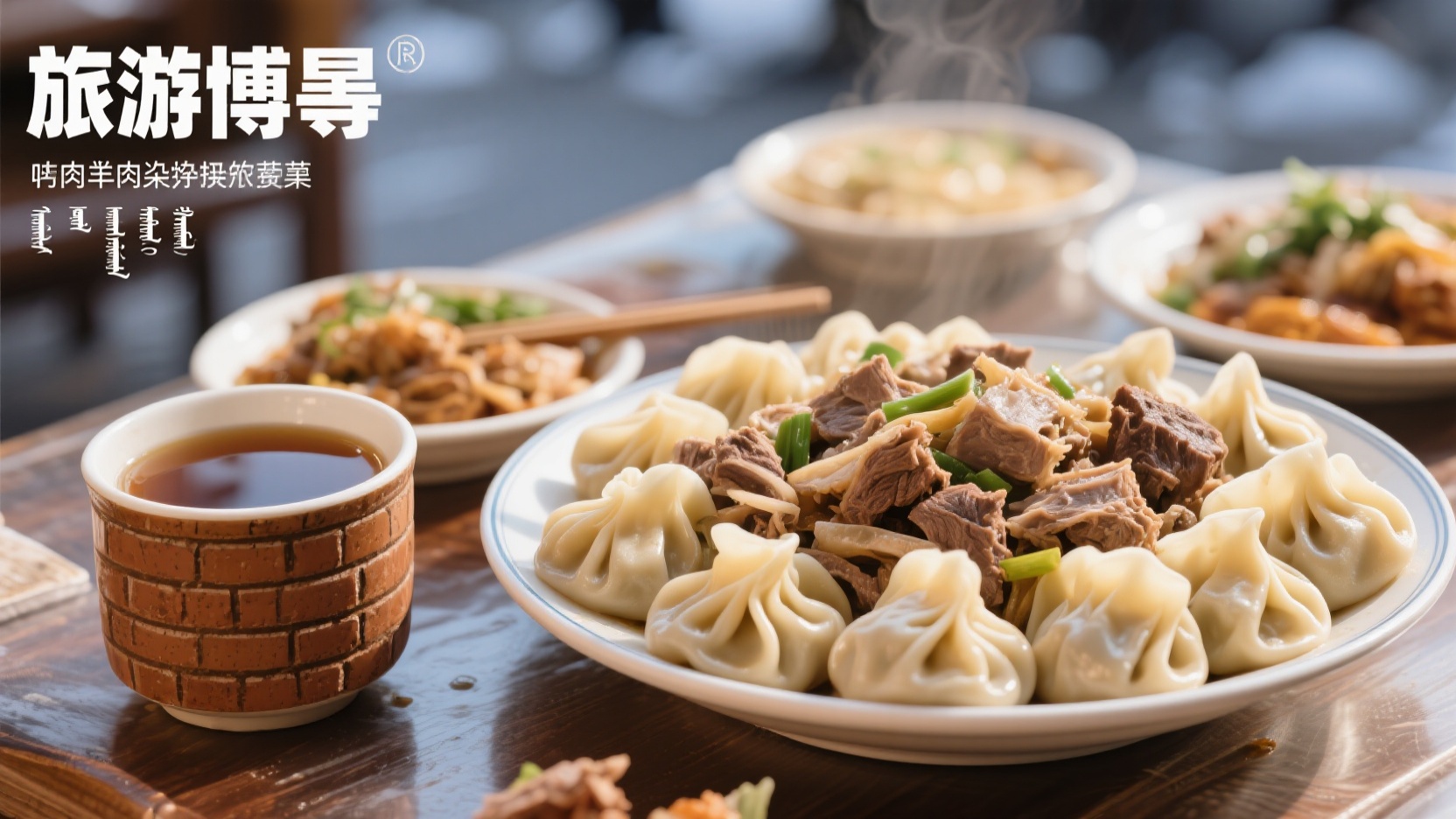
Having lived in Hohhot for almost seven years, my biggest regret is that I once confidently told my friends that "the best time to eat mutton in Hohhot is in the summer"—that July, I queued for an hour to get some dry and gamey roasted lamb chops, and then one morning after the first frost, I was so scalded by a basket of mutton and scallion shaomai at an inconspicuous shaomai restaurant in the old city that I couldn't speak. Only then did I realize that the most underestimated season for eating in this city is early winter.
Don't rush to refute. Hohhot during the grassland season isn't bad, it's just too noisy. Tourists flock in, and trendy restaurants turn mutton into an assembly line, diluting the real flavor in the queues and photo opportunities. Locals know that to truly enjoy mutton, you have to wait for the first frost. After the first frost, the sheep have fattened up for winter, their fat distribution is perfect, and their offal is at its cleanest. The following list, organized into four meals a day, features six early winter specialties—all methods I've repeatedly tested with local elders and friends over the years, excluding any trendy restaurants.
The "Frost's Descent Switch" Overlooked by Tourists: Hohhot Residents Aren't Waiting for Snow, But for This Fatty Food
While travel guides from other places are still urging people to ride horses on the grasslands in July and August, locals in Hohhot are already flipping through calendars, waiting for Frost's Descent. The significance of this solar term in Hohhot lies not in how low the temperature is, but in the fact that the sheep's fatness has reached a critical point: any earlier and they would be too lean, any later and they would be too frozen. The short twenty days or so from Frost's Descent to Minor Snow are the window when the mutton and offal are at their fattest and the gamey smell is at its cleanest.
This is why many locals don't recommend making a special trip to eat lamb in the summer. Summer pastures receive a lot of rain, and the sheep graze on grass, resulting in meat with high moisture content that's easy to make tough when roasted and lacks the rich, fatty flavor when stewed. After the first frost, the sheep begin to eat hay and grains, their activity decreases, and fat accumulates in the muscles, resulting in fine marbling visible on the cut surface. What you're eating isn't just a "breed," it's the season.
Breakfast: Lamb and scallion shaomai (steamed dumplings), only enough to fill you up, no vinegar.
The shaomai in Hohhot, written as "shaomai" but pronounced "shaomei" by locals, is completely different from the shaomai in the south. On a clear morning after the first frost, the steam rising from the old city alleys carries the aroma of mutton fat. The true local unit of measurement is "liang," not "long." One liang contains eight shaomai, each with a thin wrapper filled with mutton and scallion filling. After steaming, the wrapper becomes translucent, and biting into it releases a pool of juicy broth. I ate it a few times in summer and autumn, and always felt the filling was too moist. After the first frost, the filling clumps together, and the scallion aroma is completely enveloped by the mutton fat.
What to pair it with? For the old Hohhot locals, it's simply a bowl of piping hot brick tea. The tea should be strong, to help cleanse the palate. They'll take a sip of tea and eat a shaomai (a type of steamed dumpling), without vinegar or chili oil. Many out-of-town friends ask for a vinegar dish as soon as they sit down, and the older folks nearby will laugh: "Dip this in vinegar, and it'll completely mask the rich, fatty flavor of the mutton." If you really crave something sour, you can take a bite of the shaomai and then a bite of the free pickled garlic on the table.
This seasonal limitation is also reflected in the timing. It's best to arrive before 10 AM, as the shaomai stalls usually sell out and close by noon. It costs only a few dozen yuan per person, allowing you to eat like a local.
Lunch: Lamb offal soup with white steamed buns in the old town – don't order this unless it's winter.
Many travel guides describe mutton offal soup as a common snack in Hohhot, but locals know the truth: mutton offal soup is best eaten when the weather is mild, as the gamey smell is too strong and the broth is too thin. After the first frost, the offal is cleaned to its cleanest state, then simmered slowly in cold water until the broth turns whitish, and the lungs, tripe, and liver slices are infused with a rich, aromatic offal flavor. In the small restaurants of the old city's Hui Muslim district, a bowl of mutton offal soup is served with chili oil, cilantro, and scallions added by the customer.
The most authentic way to eat it isn't just drinking the soup, but pairing it with a white baked bun. The bun should be fresh out of the oven, with a hard outer crust and a soft, fluffy interior. Break it open and soak it in the mutton offal soup, letting it absorb the broth without falling apart. Some people also like to order a beef tongue bun, tearing it apart piece by piece with the soup. Don't order the "deluxe version" with added vermicelli or tofu; local elders generally don't add these, as they add too many flavors and make it harder to taste the mutton offal itself.
Why not in spring? Because spring is windy, and it's hard to sit still in a mutton offal restaurant; eating in summer is too dry and can easily cause internal heat. Only in early winter, at midday when the temperature is a few degrees below zero, can you eat a bowl of hot mutton offal soup and feel a slight sweat on your back – that's eating right in the season.
Afternoon tea: Fried millet cakes with hot tea, a perfect cure for "post-grassland season blues".
In Hohhot at three or four in the afternoon, it's all about milk tea and fried cakes. During the grassland season, tourists love to order a pot of milk tea for photos around the scenic spots, but locals prefer to find an old milk tea shop with a copper pot in the alley. After the first frost, brick tea is simmered with roasted rice, milk skin, and butter until a layer of milk skin forms on the surface, giving it a slightly caramelized flavor. At this time, the milk skin isn't the thin layer of summer, but a thick piece with a slightly grainy texture.
Fried millet cakes are the hidden gem of this season. Fermented millet flour is filled with red bean paste, then deep-fried until golden brown, resulting in a crispy exterior and chewy interior with a slightly sour taste. They can be a bit too rich in summer, but perfect for warding off the chill in early winter. The ideal pairing is to take a bite of the cake followed by a sip of milk tea with roasted millet, letting the sourness of the millet and the saltiness of the milk tea create a delightful contrast in your mouth.
A word of caution: avoid those beautifully presented "Mongolian milk tea sets." The accompanying yogurt pancakes and milk tofu platter are often just reheated semi-finished products. A proper afternoon tea should consist of a bowl of hot milk tea and two fried millet cakes, costing only a few dozen yuan per person—it's very comfortable.
Dinner: Hot pot (excluding lamb rolls), hand-cut pork shoulder with wild chive blossoms.
For dinner, many people rush to popular hot pot restaurants and order a ton of lamb rolls. Locals don't recommend this, especially after the first frost; hand-cut fresh lamb is the true seasonal delicacy. Lamb shoulder, tenderloin, and hind leg are cut into thick slices and briefly cooked in a clear copper broth until they change color. Summer and autumn lamb has high moisture content, making thick slices tough; lamb slices cooked after the first frost are still tender and even have a milky flavor.
Don't add too many side dishes. Locals in Hohhot only use three things for hot pot: cabbage, frozen tofu, and thin vermicelli. The dipping sauce is even simpler: diluted sesame paste, a little fermented bean curd, and chive blossoms, maybe a spoonful of chili oil at most. The key is the wild chive blossoms, the last batch picked from the grasslands in autumn. Pickled, they have a pungent aroma that balances the greasiness of the lamb—something you can't buy in summer.
This meal is mid-range priced, costing around 100 yuan per person for a very decent meal. If the waiter recommends the "seafood platter," you can politely decline: in Hohhot's winter, there shouldn't be shrimp paste and fish balls in a copper pot.
Late-night snack: Grilled lamb tendon with a light fruit broth – a unique hot and cold experience only found at minus ten degrees Celsius.
After 10 PM, the real late-night battleground in Hohhot is in the alleys of the Hui Muslim district. Grilled lamb tendons, trotters, and toasted bread slices sizzle at the barbecue stalls, but the most irresistible thing isn't the skewers, but the chilled fruit porridge sold from a nearby cart. This local traditional cold drink is made by boiling persimmons, dried apricots, and hawthorns into a paste, then drinking it chilled. Many outsiders wouldn't dare touch anything cold in winter, but Hohhot locals know that with the heating on full blast, even if it's -10 degrees Celsius outside, it's sweltering inside, and a bowl of cool fruit porridge is the perfect way to cool down.
Choose thick-cut lamb tendons for grilling, grilling them until the outer layer is crispy and the inside still has a bit of gelatinous texture. Served with a light fruit syrup, it creates a delightful contrast of hot and cold. This combination gradually disappears after the Minor Snow solar term, as most fruit syrup vendors stop serving it, and the lamb tendons are almost sold out. To experience this, it's best to go between Frost's Descent and Minor Snow.
Many travel guides only recommend roasted lamb leg for late-night snacks, but that's actually more suitable for summer. The essence of early winter nights lies in small skewers, small bowls, and small stalls. It's the contrast between cold and hot that makes you understand why Hohhot people call late-night snacks "pressing the kang" (a traditional heated brick bed).
In closing: Don't ask the locals if I didn't tell you.
First, don't come all the way in summer just to eat mutton. Hohhot during the grassland season is for sightseeing, not for food, and even locals might not be able to enjoy the succulent meat after the first frost in the summer. Second, you have to go early to eat shaomai (steamed dumplings). After 10 a.m., many old restaurants only have cold meat left, and some don't make it at all.
Third, don't add vinegar to lamb offal soup or shaomai. You can tolerate it the first time you eat it, but once you get used to the oily aroma, you'll come back and thank me. Fourth, locals concentrate on eating in the old city and the Muslim Quarter. Don't go to the chain stores in the shopping malls in the new district; those places taste the same all year round and lack any sense of season.
Fifth, the twenty-odd days from Frost's Descent to Minor Snow are Hohhot's most underrated culinary window. Fewer tourists, better ingredients, and ample heating; the only worry is overeating four meals a day.